Geo
Jun 18, 20261
69%
Dragon Boat Festival: Ancient Tradition Spanning Over 2,000 Years Celebrated Worldwide
The Dragon Boat Festival (Duanwu Festival) is a cultural celebration originating over 2,000 years ago, traditionally commemorating the death of poet and statesman Qu Yuan of ancient Chu. Celebrated annually on the fifth day of the fifth lunar month, the festival has evolved into a global tradition combining dragon boat racing, zongzi consumption, and community gatherings, observed across China, Southeast Asia, and Chinese diaspora communities worldwide.


Quick Facts
Who
Qu Yuan
What
Dragon Boat Festival (Duanwu Festival) celebrated annually
When
Fifth day of the fifth month in traditional Chinese calendar
Where
China
- Dragon Boat Festival (Duanwu Festival) celebrated annually
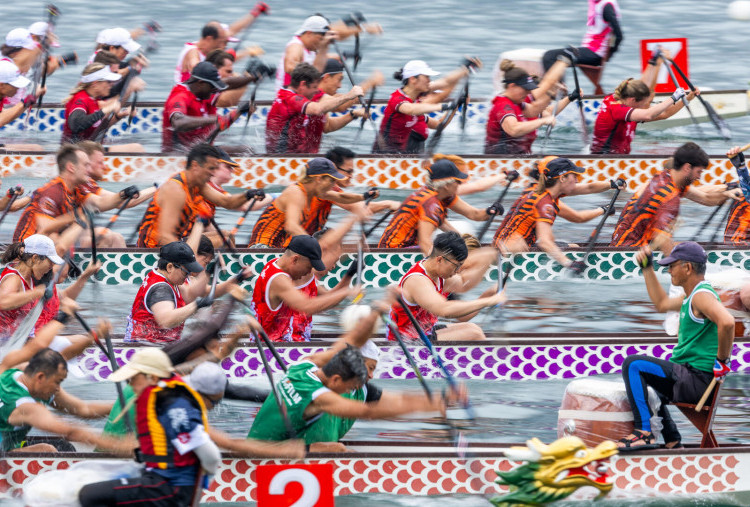
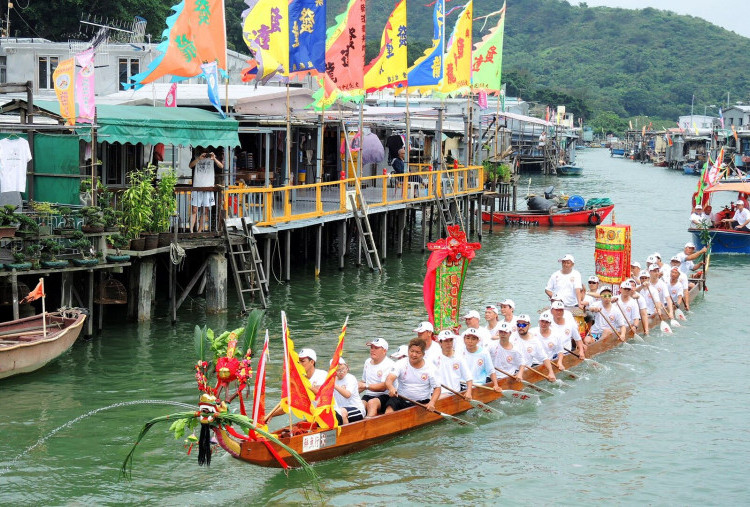
- Dragon boat racing competitions
- Preparation and consumption of zongzi (rice dumplings)
- Qu Yuan threw himself into the Miluo River
- People attempted to rescue Qu Yuan by boat
The Dragon Boat Festival, known in Chinese as Duanwu Festival, is one of the world's oldest continuous cultural celebrations, observed annually on the fifth day of the fifth month in the traditional Chinese calendar. The festival has persisted for more than 2,000 years and transcends geographical boundaries, with significant celebrations occurring not only throughout China but also in countries with large Chinese communities, including Singapore, Malaysia, Hong Kong, and various cities across the United States.
The origins of the Dragon Boat Festival are traditionally traced to Qu Yuan, a renowned poet and official of the state of Chu during China's Warring States period (475–221 BCE). Qu Yuan was known for his unwavering loyalty to his nation. Faced with the decline of the state he served, he chose to end his life by throwing himself into the Miluo River. Local residents, grief-stricken and determined to honour his memory, rushed out in boats to search for his body. They paddled their boats desperately and threw bags of rice into the river to prevent fish from consuming his remains.
From this poignant historical event emerged several enduring customs that define the festival. The practice of dragon boat racing emerged directly from the attempts to rescue Qu Yuan, with communities paddling in synchronized races that continue to this day. The tradition of preparing and consuming zongzi—glutinous rice dumplings wrapped in bamboo leaves—also originated from the practice of throwing rice into the river, and has since become an integral part of the festival celebrations.
Today, the Dragon Boat Festival represents far more than a commemoration of historical events. It has evolved into a comprehensive cultural celebration that seamlessly blends history, sport, culinary traditions, and community participation. The festival serves as a powerful symbol of Chinese cultural identity, bringing together people from diverse backgrounds to honour shared heritage through rowing competitions, traditional food preparation, and collective commemoration. The festival's endurance across millennia and its spread to Chinese diaspora communities worldwide underscore its significance as one of humanity's most sustained and cherished cultural traditions.
Why This Matters
The Dragon Boat Festival exemplifies how ancient cultural traditions maintain relevance and vitality across millennia and continents. For readers, understanding this festival provides insight into Chinese historical values—loyalty, community solidarity, and cultural memory—while demonstrating how diaspora communities worldwide preserve and adapt heritage. The festival's evolution into a competitive sport and international event shows how historical commemoration can become inclusive, accessible, and economically significant, making it relevant to anyone interested in cultural continuity, sports heritage, or cross-cultural celebration.