AI
Jun 18, 20261
69%
Russian Propagandists Demand Criminal Charges for Drone Attack Videos as State TV Downplays Incident
Russian state propagandists, including Vladimir Solovyov, demanded criminal charges against those filming Ukrainian drone attacks on Moscow, while federal television largely ignored the incident. Pro-war bloggers acknowledged the difficulty of suppressing such videos but offered mixed responses to the propaganda push.
Quick Facts
Who
Vladimir Solovyov
What
Ukrainian drone attack on Moscow
When
2026-06-18
Where
Moscow
- Ukrainian drone attack on Moscow
- Russian propagandists calling for criminal charges against video recorders
- Russian federal TV downplaying or ignoring the incident
- Pro-war bloggers debating response to attack footage
- Russian air defense reportedly intercepting drones
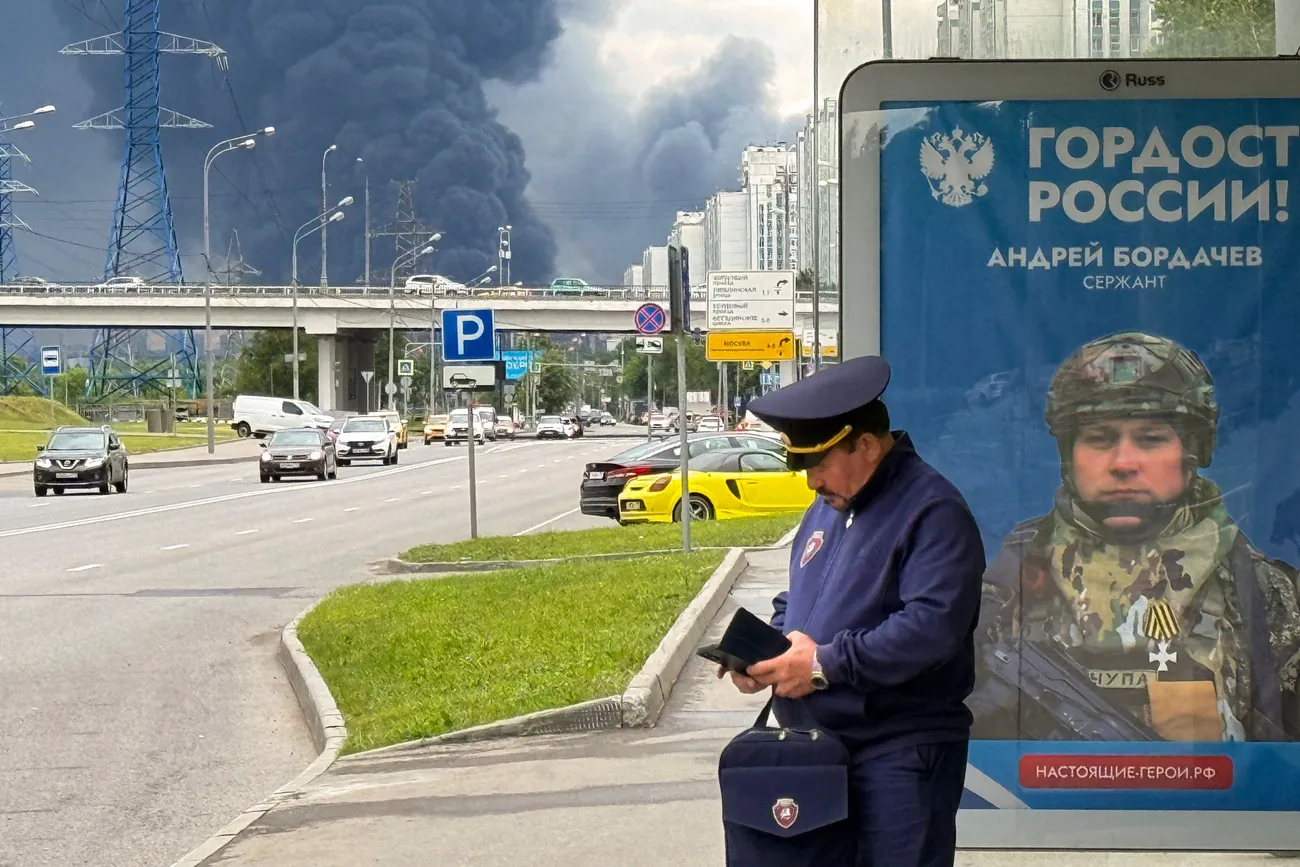
Following a significant Ukrainian drone attack on Moscow, Russian state television largely ignored the incident in news broadcasts, while prominent propagandists called for criminal prosecution of those who filmed and shared video footage of the strikes. Vladimir Solovyov, a key state media figure, demanded that people recording videos of the attacks be imprisoned, stating on air that those spreading such footage should face jail time "publicly." Other propagandists, including Armex Gasparyan of "Solovyov Live," urged law enforcement to use facial recognition technology to identify and arrest videographers, while deputy director of VGTRK Andrey Medvedev questioned why criminal cases had not been opened against those filming the strikes under Article 275 of the Russian penal code.
Russian federal television channels—including Channel One, Russia 1, and NTV—largely sidestepped the incident in their news broadcasts. Morning news segments made only brief mentions, citing official statements from Moscow Mayor Sergei Sobyanin and Moscow Region Governor Andrei Vorobyev. No channel produced a dedicated story on the attack itself. By afternoon broadcasts, some channels had dropped the topic entirely, with NTV and Channel One omitting any mention while Russia 1 repeated the earlier official quotes.
Pro-war bloggers on Telegram showed more nuanced responses. While expressing concern about the proliferation of attack videos online, many acknowledged the futility of suppressing such content, given NATO's satellite surveillance capabilities. Some "Z-bloggers" attributed video sharing to migrant workers at Moscow markets and suggested deportation as a solution. Others praised Russia's air defense for reportedly intercepting 180 drones over the Moscow region, though they acknowledged that no air defense system could achieve 100 percent effectiveness against sustained drone barrages, and called for addressing the root cause of attacks rather than merely defending against them.
Why This Matters
This incident reveals the tension between Russian state media control and digital information flow during military conflicts. The propagandists' aggressive demand for prosecution of videographers demonstrates the regime's struggle to manage public perception of military setbacks, while mainstream TV's muted response suggests coordination in damage control. For readers, this illustrates how authoritarian systems attempt to suppress independent documentation of events and the practical limitations of such control in the age of smartphones and social media.
Timeline & Sources
Jun 17, 2026
WireG7 summit concludes
Jun 18, 2026
WireUkrainian drone attack on Moscow occurs
Jun 18, 2026
WireMorning news broadcasts air; federal TV channels largely ignore or briefly mention attack
Jun 18, 2026
WireVladimir Solovyov demands imprisonment of videographers on morning broadcast
Jun 18, 2026
WireAfternoon news broadcasts; some channels omit attack from coverage
Jun 18, 2026
WireMeduza publishes analysis of propaganda response