
AI
Published Jul 19, 2026Updated Jul 214
91%
Oracle Credit Risk Hits 18-Year High on AI Spending Concerns
Oracle's credit risk has hit its highest level in nearly 18 years, with credit default swaps reaching 2.03 percentage points, as investors grow concerned about the company's massive debt-fueled AI infrastructure spending. S&P Global Ratings downgraded Oracle's credit to BBB-, one notch above junk, citing capital expenditures that have far exceeded its operating cash flow and a heavy reliance on a single customer, OpenAI, for future revenue.
Quick Facts
- Credit risk reached highest level since 2008
- S&P downgraded Oracle's credit rating to BBB-
- Moody's assigned negative outlook
- Shares hit 52-week low of $121.50
- Oracle spent $55.7 billion on capex in fiscal 2026
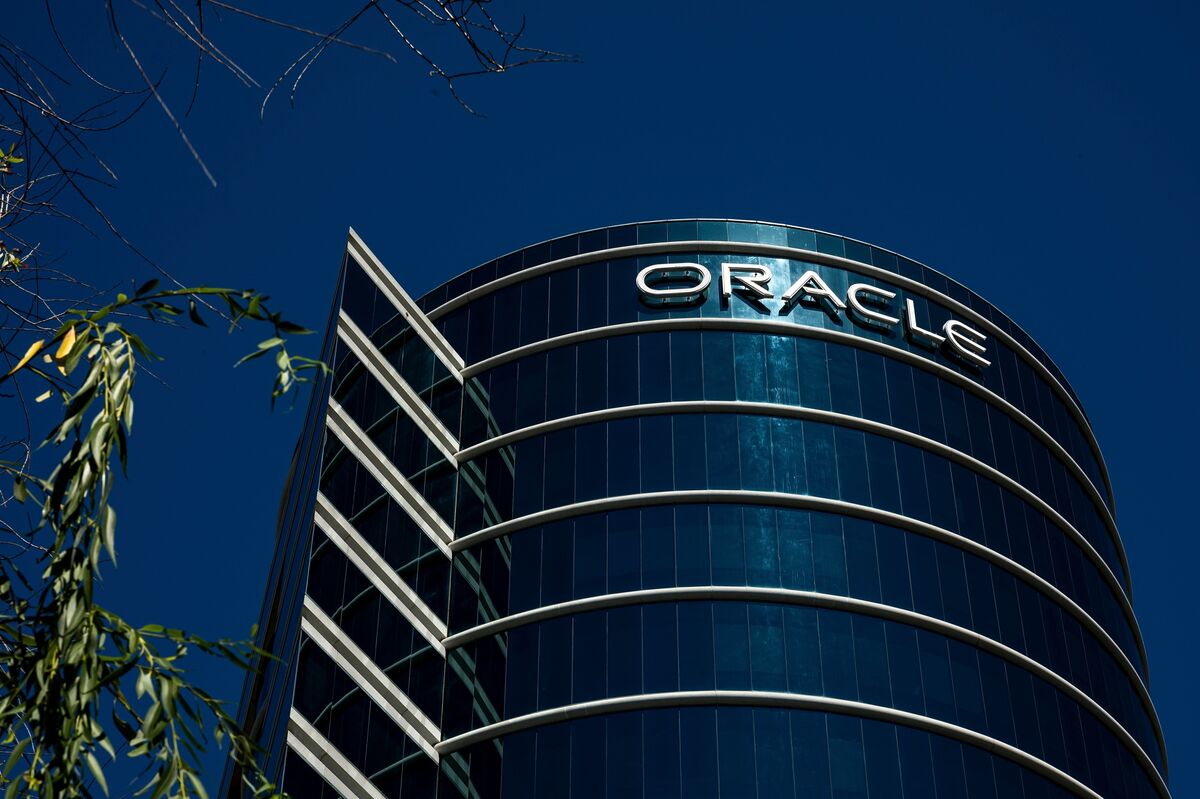
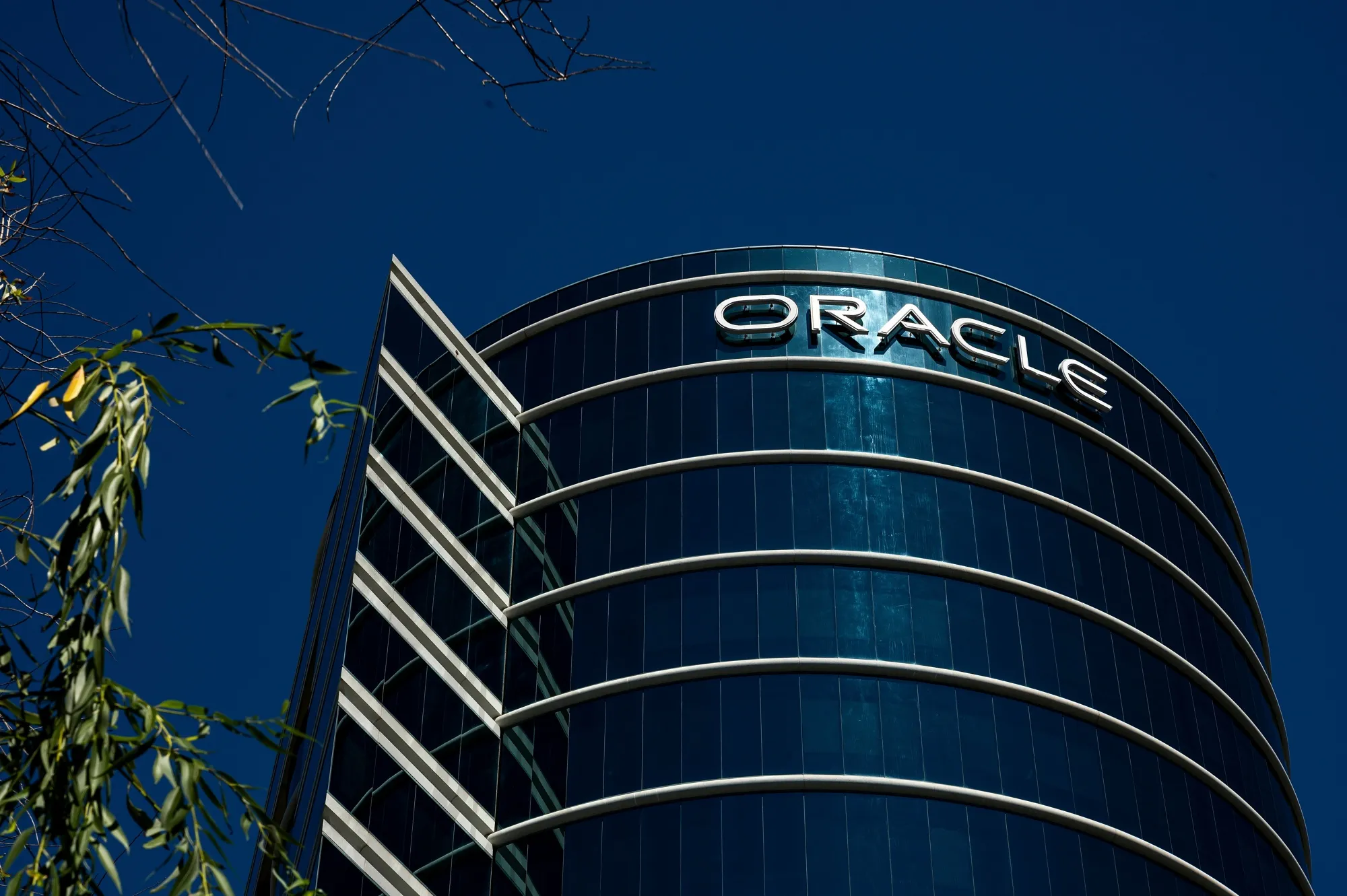
Oracle's credit risk has surged to near 18-year highs as investors worry about the company's massive debt-fueled spending on AI infrastructure. Credit default swaps on Oracle's debt rose to 2.03 percentage points annually, the highest level since records began in 2008, according to ICE Data Services. The company's shares also touched a fresh 52-week low of $121.50 on Friday, July 17, 2026, trading about 63% below their peak and reducing its market capitalization to roughly $365 billion.
On July 9, 2026, S&P Global Ratings downgraded Oracle's credit rating from BBB to BBB-, one notch above junk status, citing the enormous cost of the AI infrastructure build-out. Moody's Ratings has assigned a negative outlook, indicating a possible further downgrade. The ratings agency noted that Oracle's capital expenditures reached $55.7 billion in fiscal 2026 (ending May 31, 2026), far exceeding its operating cash flow of $32 billion and resulting in free cash flow of negative $23.7 billion. S&P projects capital expenditures will rise to $90-$95 billion in fiscal 2027, with the free cash flow deficit widening to about $42 billion.
A key concern is customer concentration. S&P reported that roughly half of Oracle's $638 billion in remaining performance obligations—contracted but not yet delivered revenue—comes from a single customer, OpenAI. If OpenAI struggles to fund its commitments, Oracle could face excess capacity built for demand that does not materialize. Oracle also carries nearly $130 billion in debt and has announced plans to issue another $20 billion in equity later in 2026, following a $5 billion mandatory convertible preferred stock issuance in February.
Despite these financial pressures, Oracle's underlying business remains strong. Revenue rose 17% year over year to $67.4 billion in fiscal 2026, with fourth-quarter revenue climbing 21%. Its cloud infrastructure business grew 93% in the fiscal fourth quarter to $5.8 billion. The remaining performance obligations totaled $638 billion, up 363% year over year. However, some customers are now prepaying for GPUs or supplying chips themselves, shifting part of the build-out cost off Oracle's books. Analysts warn that if Oracle loses its investment-grade rating, it would become the largest issuer in the U.S. high-yield market, potentially increasing borrowing costs. As Andrew Wells, chief investment officer at SanJac Alpha, noted, "They're kind of on the ropes and they have to decide: Do they disappoint the bond investors or the equity investors?"
Why This Matters
Oracle's credit rating downgrade and surging credit risk raise the cost of its massive debt-financed AI infrastructure spending. The company's capital expenditure of $55.7 billion in fiscal 2026 far exceeded operating cash flow, and S&P projects a wider deficit in fiscal 2027. Over half of Oracle's $638 billion in remaining performance obligations comes from a single customer, OpenAI, creating concentration risk. If Oracle loses investment-grade status, it would become the largest U.S. high-yield issuer, increasing borrowing costs. The company's shares have fallen 65% from their peak, reducing market capitalization to about $365 billion.
Timeline & Sources
May 31, 2026
WireOracle ends fiscal year 2026 with $55.7 billion capex and -$23.7 billion free cash flow
Jul 9, 2026
WireS&P Global Ratings downgrades Oracle's credit rating from BBB to BBB-
Jul 17, 2026
WireOracle shares hit 52-week low of $121.50
Jul 20, 2026
WireCredit default swaps on Oracle debt reach 2.03 percentage points, an 18-year high
Jul 21, 2026
WireThe Economic Times reports Oracle shares have fallen 65% from peak
Related Signals
- AIMarket Impact
Moonshot AI targets $50B valuation in final pre-IPO round before Hong Kong listing
Updated Jul 22
- AIRelated Company
Florida Pastor Sues OpenAI Over ChatGPT Medical Advice That Preceded Pulmonary Embolism
Updated Jul 25
- AITechnology Dependency
STMicroelectronics misses Q3 revenue forecast; AI data centre growth eyed
Updated Jul 24
- AIMarket Impact
Alphabet Reports Record $112.1B Quarterly Profit, Driven by AI and Investments
Updated Jul 23
- AIMarket Impact
SK Hynix Chair Ordered to Pay $644M in Divorce Settlement
Updated Jul 26
Sources
- Oracle Credit Risk Hits Near 18-Year High on AI Debt Load AngstBloomberg.comWireJul 20, 2026
- Oracle Just Hit a Fresh 52-Week Low and Had Its Credit Cut Toward Junk. Has the AI-Capex Panic Overshot?Yahoo FinanceMediaJul 19, 2026
- Oracle risks falling behind in AI raceThe Seattle TimesMediaJul 20, 2026
- Downfall of a Wall Street darling: Why Oracle shares crashed 65% from peakThe Economic TimesMediaJul 21, 2026