
Nov 2·Geo
Follow-up 1d ago Major5
96%
South Africa's Municipal Elections Test ANC After Loss of Parliamentary Majority
South Africans voted in municipal elections on November 4, 2026, testing the ruling ANC's support after it lost its parliamentary majority in 2024. Early results showed the ANC with a narrow national lead while the opposition DA led in major cities, with no party assured of outright majorities and extensive coalition negotiations expected.
Quick Facts
- Municipal elections held across eight metropolitan municipalities, 44 district councils, and 205 local councils
- Voting stations opened at 7 a.m. and closed at 9 p.m.
- Early results showed ANC with narrow national lead; DA leading in Johannesburg, Cape Town, and Nelson Mandela Bay
- No single party assured of outright majorities in major cities
- Coalition negotiations expected to determine governance
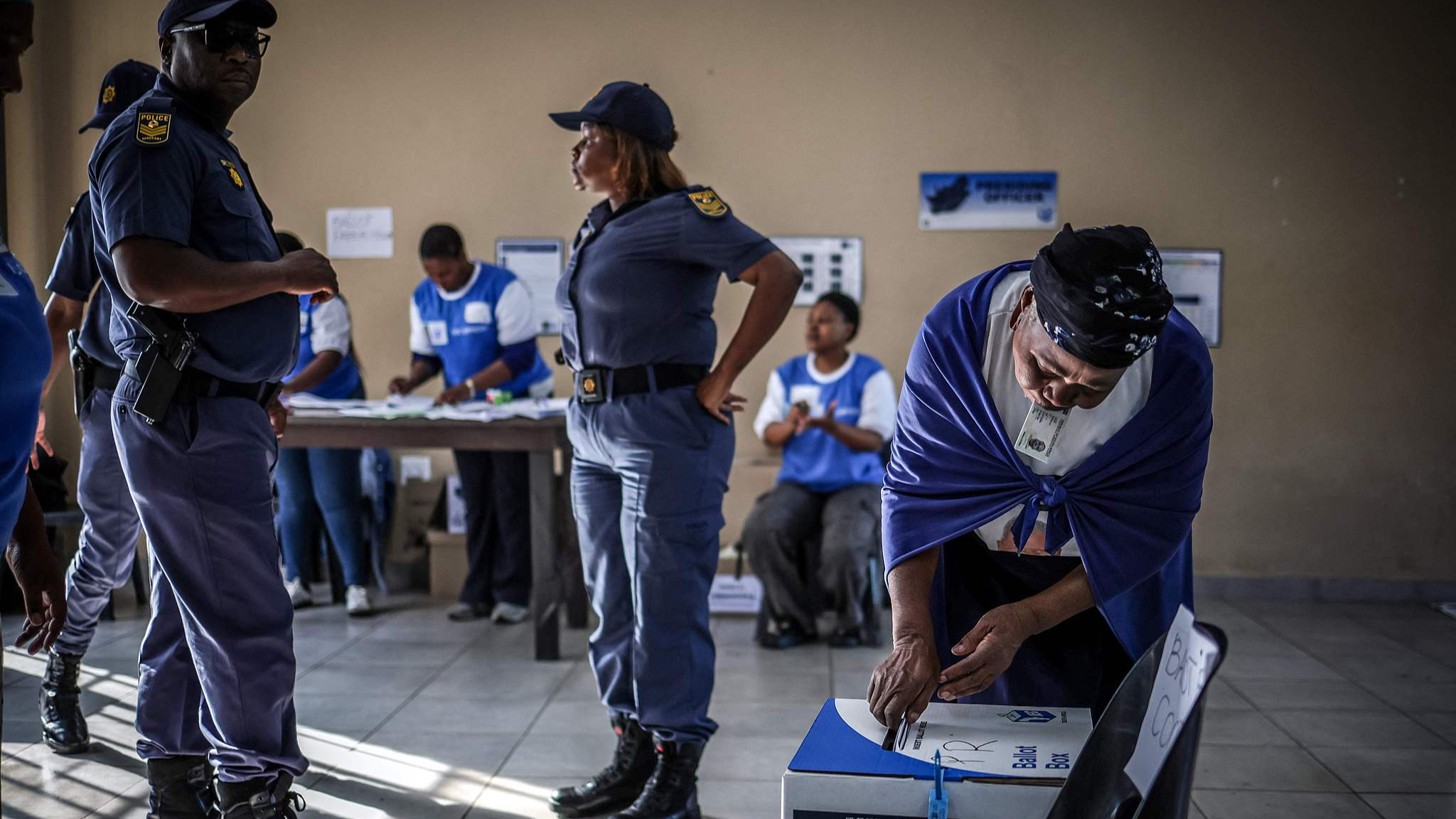
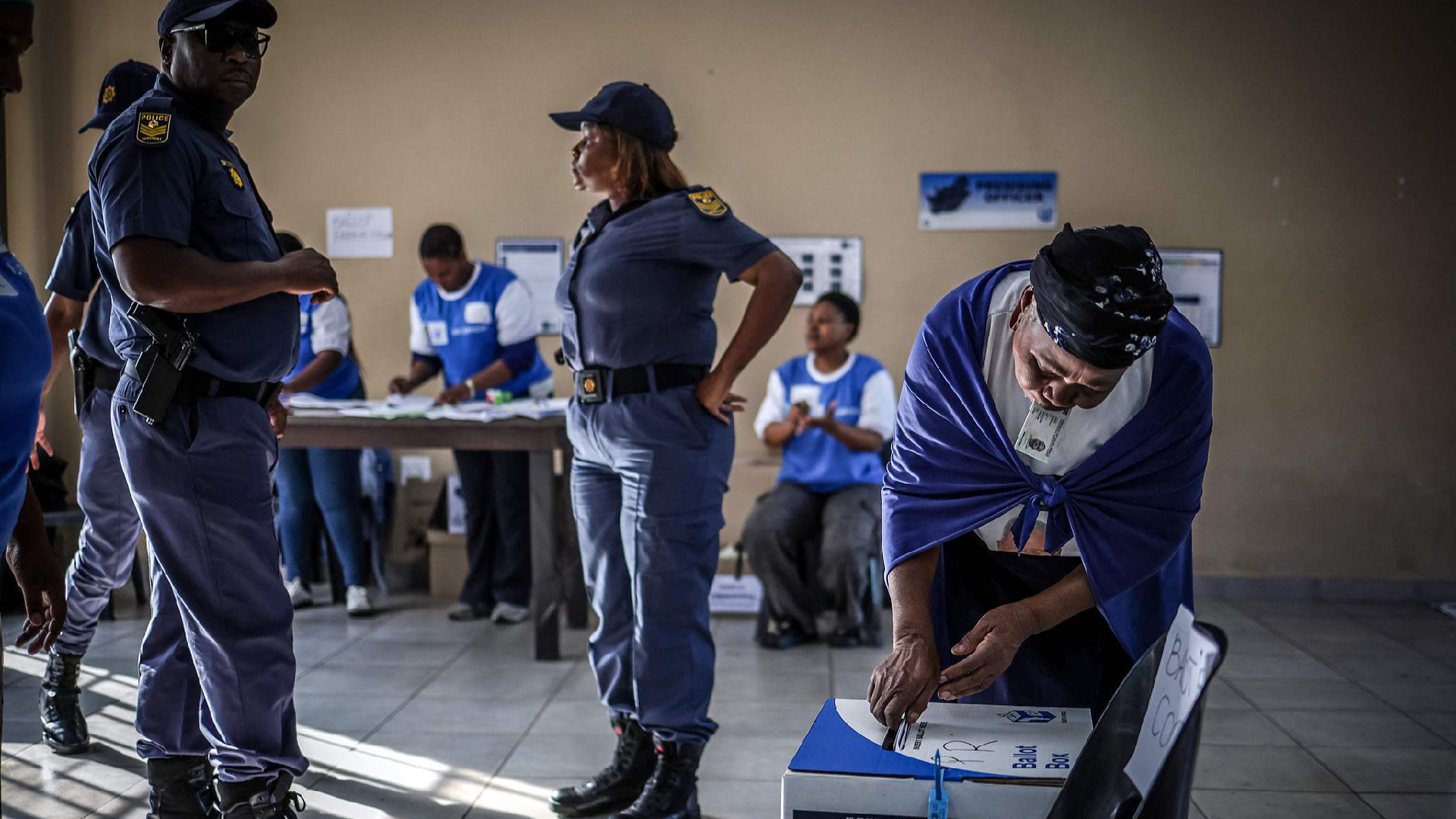
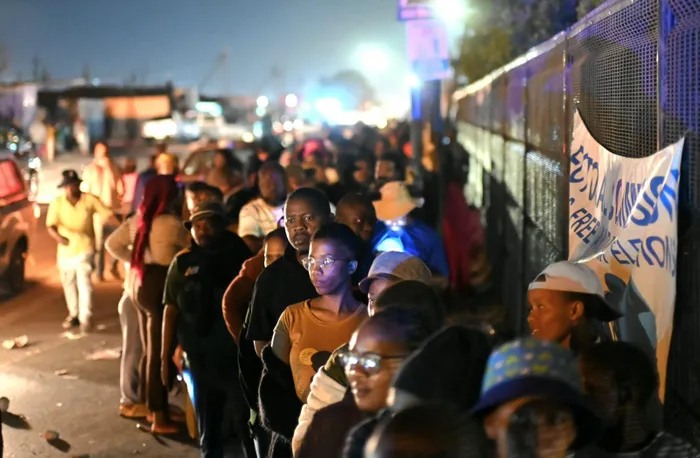
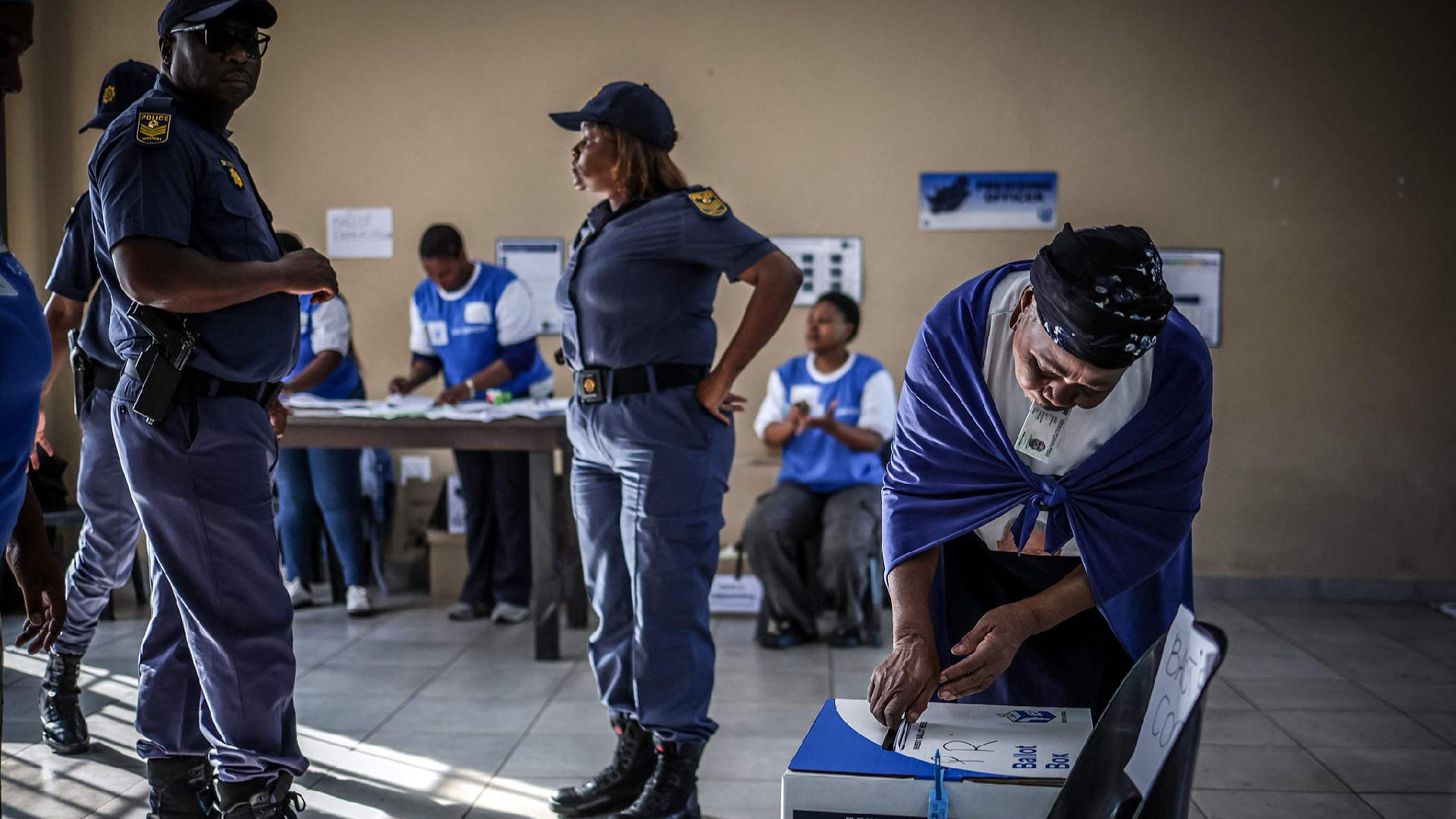
South Africans voted in municipal elections on November 4, 2026, in a contest widely viewed as a referendum on the ruling African National Congress (ANC) following its loss of parliamentary majority in 2024. Polling stations opened at 7 a.m. and closed at 9 p.m., with 29.2 million registered voters across 23,696 stations. By Thursday morning, early results showed the ANC holding a narrow national lead, though the opposition Democratic Alliance (DA) led in major metropolitan areas including Johannesburg, Cape Town, and Nelson Mandela Bay.
The elections, covering eight metropolitan municipalities, 44 district councils, and 205 local councils, took place amid widespread public frustration over failing municipal services. Voters prioritized service delivery failures—including chronic water scarcity, power disruptions, and deteriorating infrastructure—alongside unemployment rates exceeding 30 percent and concerns over crime. An Ipsos survey found 68 percent of registered voters distrust politicians, while half felt unrepresented by any party. President Cyril Ramaphosa acknowledged that "municipal failures have contributed to declining public trust and confidence in democratic governance" and warned of corruption, tender manipulation, and political patronage undermining local governance.
No single party was assured of outright majorities in major cities, making coalition negotiations central to determining governance outcomes. The ANC faced particular pressure in Johannesburg, the country's financial capital, which had experienced five mayoral changes in four years. The DA fielded former leader Helen Zille as its mayoral candidate; a News24 poll put her at 36 percent support. The uMkhonto weSizwe (MK) Party, led by former President Jacob Zuma, contested municipal elections for the first time and was positioned for gains in KwaZulu-Natal, particularly in eThekwini, where it signaled preparation to control a municipality with a R75 billion budget.
Pre-election polling by Ipsos indicated fragmented support: the ANC attracted 30 percent among registered voters selecting a party, the DA 28 percent, the MK Party 12 percent, and the Economic Freedom Fighters 10 percent. This fragmentation pointed to continued coalition arrangements reshaping local government. An Ipsos survey also revealed gaps in youth political engagement, with political commentator Khanyi Magubane citing limited civic education and youth inclusion in senior party structures as barriers to meaningful representation, particularly in rural and peri-urban areas.
Security concerns marked the election period. Police recorded 20 murders involving political representatives, party members, and supporters, with seven arrests by election day. A further 139 election-related criminal dockets were registered nationally, resulting in 48 arrests. In KwaZulu-Natal, classified as high-risk with 165 of the 23,696 voting stations, thousands of officers were deployed alongside SANDF standby support. The Centre for Analytics and Behavioural Change identified 79 potentially harmful social media posts over seven days, including claims of election rigging and calls to confront foreign nationals at voting stations, though the organization cautioned these findings did not independently establish coordinated activity. Special voting experienced logistical difficulties, with ballot paper shortages reported in Cape Town and a break-in at a voting center in KwaZulu-Natal resulting in theft of three ballot boxes.
Final results were expected on Sunday. The outcome is viewed as a political barometer ahead of the 2029 national elections and will influence the race to succeed Ramaphosa as ANC leader at the party's conference in December 2027.
Why This Matters
South Africa's municipal elections reveal shifting power dynamics affecting governance in 257 municipalities managing essential services (water, electricity, waste) and budgets exceeding R500 billion. No single party holds outright majorities in major cities, forcing coalition arrangements that will determine which parties control key metropolitan areas and service delivery outcomes over the next five years. Results also signal voter sentiment before 2029 national elections and influence ANC leadership succession in December 2027.
Timeline & Sources
Nov 3, 2026
WireSpecial voting begins for municipal elections
Nov 4, 2026
WirePolling stations open at 7 a.m.
Nov 9, 2026
WireFinal results expected on Sunday
Jan 1, 2029
WireNext national elections scheduled
Sources
- South Africa’s Low-Key Municipal Polls Pose Risks for InvestorsbloombergWireNov 2, 2026
- News Analysis: South African municipal polls test ANC dominance amid growing coalition politicsxinhuaMediaNov 4, 2026
- South Africans vote in key local electionscgtnMediaNov 4, 2026
- South Africans vote in local elections seen as test for embattled ANCAl JazeeraMediaNov 4, 2026
- LIVE | As early results trickle in, DA takes the lead in Joburg and Cape TownIOLMediaNov 5, 2026