AI
Jun 18, 20261
69%
Russia's Tu-160 Bomber Fleet Faces Maintenance and Deployment Challenges
Russia's Tu-160 bomber production program since 2015 relies on reassembling Soviet-era components rather than new construction. With only approximately five new Tu-160M2 aircraft and a total fleet of roughly 18 bombers, Russia faces significant maintenance challenges, with 7-9 aircraft regularly undergoing repair. Only about seven Tu-160s were available for recent strikes against Ukraine.




Quick Facts
Who
Russia
What
Tu-160 serial production program resumed
When
Since 2015
Where
Kazan Aircraft Plant
- Tu-160 serial production program resumed
- Aircraft assembled from Soviet-era components
- Tu-160M2 designation applied to produced aircraft
- Production capacity request denied
- Aircraft maintained at repair bases
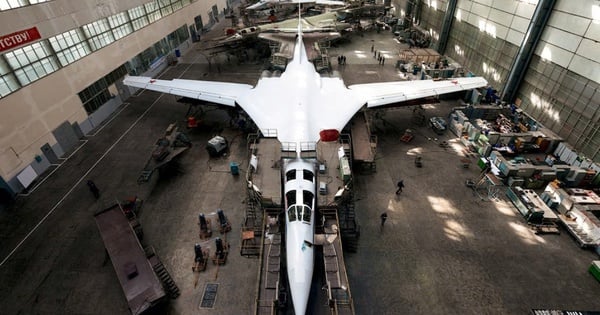
Since 2015, Russia has pursued a program to resume serial production of the Tu-160 strategic bomber at the Kazan Aircraft Plant, though the initiative relies heavily on reassembling Soviet-era airframes and components rather than manufacturing new aircraft from scratch. Russia refers to this process as "reproduction," resulting in aircraft designated Tu-160M2. The plant has prioritized domestic equipment sourcing over Western imports, and its request for additional production capacity from the Kazan Helicopter Plant was denied.
Russia has maintained secrecy around the specific equipment used in Tu-160M2 assembly, fueling expert skepticism about the credibility of import substitution claims. As of April 2026, Russia possessed approximately five Tu-160M2 aircraft classified as "new," though unclear whether these have entered official service or remain in testing phases. The broader operational fleet comprises roughly 18 Tu-160 aircraft in total.
A critical constraint on the bomber program appears to be aircraft readiness rather than production capacity. Between seven and nine Tu-160s are regularly based at maintenance facilities at the Kazan Aircraft Plant, indicating significant portions of the fleet are undergoing repair or overhaul. Notably, only about seven Tu-160s were deployed for cruise missile strikes against Ukraine, suggesting severe limitations on the number of aircraft available for operational deployment at any given time.
Experts now assess that Russia's primary challenge with the Tu-160 force is not acquiring new systems but maintaining sufficient aircraft in active service. The actual reliability of the aircraft and the effectiveness of maintenance and repair operations—both at production facilities and operational units—will determine how many bombers remain deployment-ready, rather than technical specifications alone.
Why This Matters
Russia's Tu-160 bomber program reveals critical vulnerabilities in its military-industrial capacity and force readiness. Rather than expanding production, Russia struggles to keep existing aircraft operational—a pattern that directly impacts its ability to sustain air campaigns against Ukraine and project power regionally. Understanding these constraints helps analysts assess the durability and scale of Russian military operations, and informs Western assessments of long-term strategic balance.
Timeline & Sources
Jan 1, 2015
WireRussia began Tu-160 production and reproduction program at Kazan Aircraft Plant
Jun 18, 2026
WireAnalysis published on aircraft maintenance challenges and limited operational deployment capacity