Market
Jun 18, 20261
69%
Redmi Turbo 5 vs iQOO Neo 10: Comparing two leading mid-range smartphones
The Redmi Turbo 5 and iQOO Neo 10 are leading mid-range smartphones offering distinct advantages: the Redmi emphasizes durability with premium build quality and larger battery capacity, while the iQOO Neo 10 prioritizes display size, refresh rate, and fast charging speed. Both deliver comparable performance and camera capabilities, appealing to different user priorities.
Quick Facts
Who
Xiaomi Redmi
What
Smartphone comparison
When
June 18, 2026
Where
India
- Smartphone comparison
- Display technology comparison
- Battery capacity comparison
- Camera specification comparison
- Build quality assessment
The Redmi Turbo 5 and iQOO Neo 10 represent two of the strongest mid-range smartphone options currently available, each offering premium features at accessible price points while serving slightly different user priorities. Both devices deliver exceptional performance, advanced displays, and rapid charging capabilities, making them worthy contenders for consumers seeking flagship-level specifications without flagship pricing.
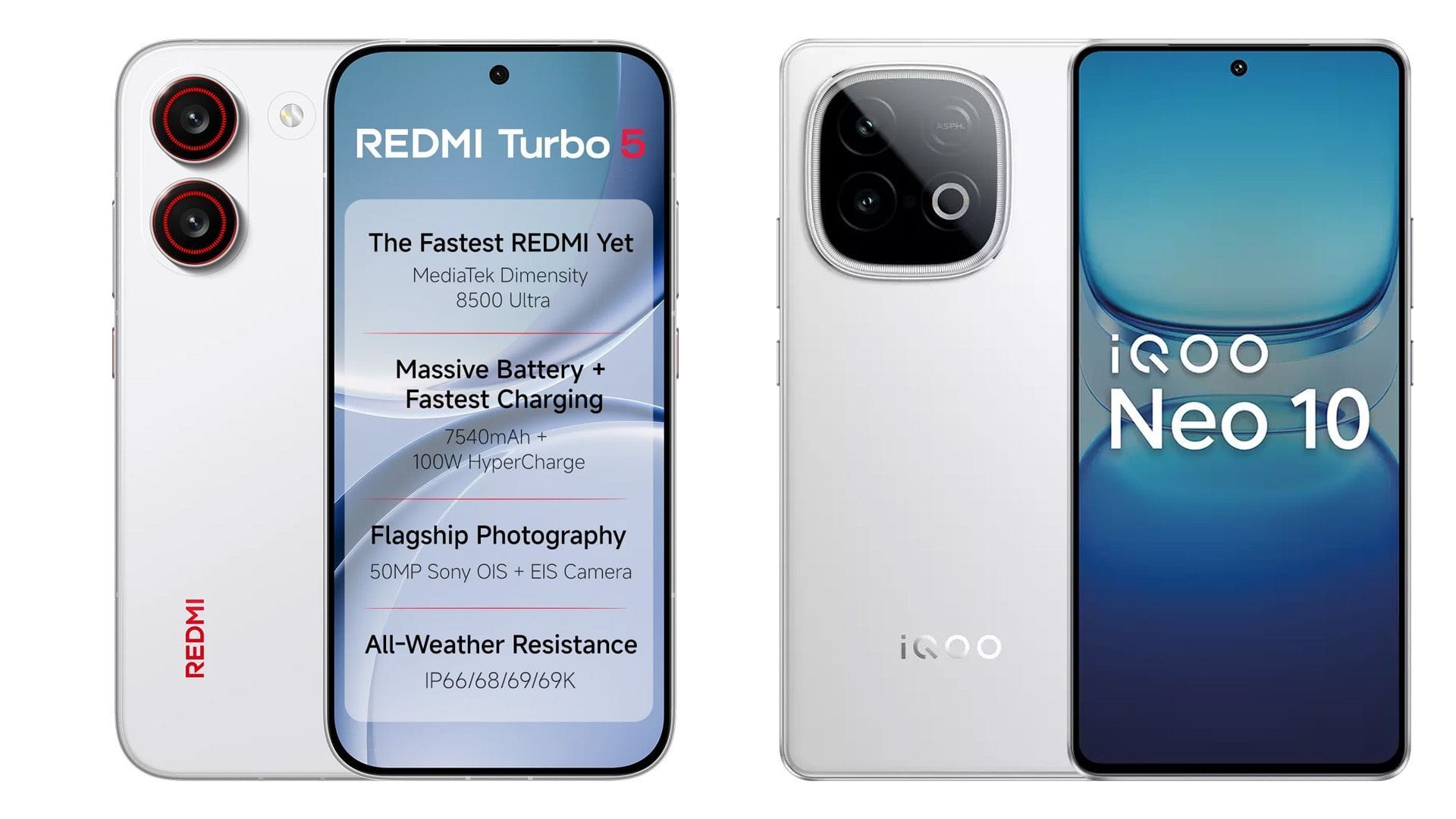
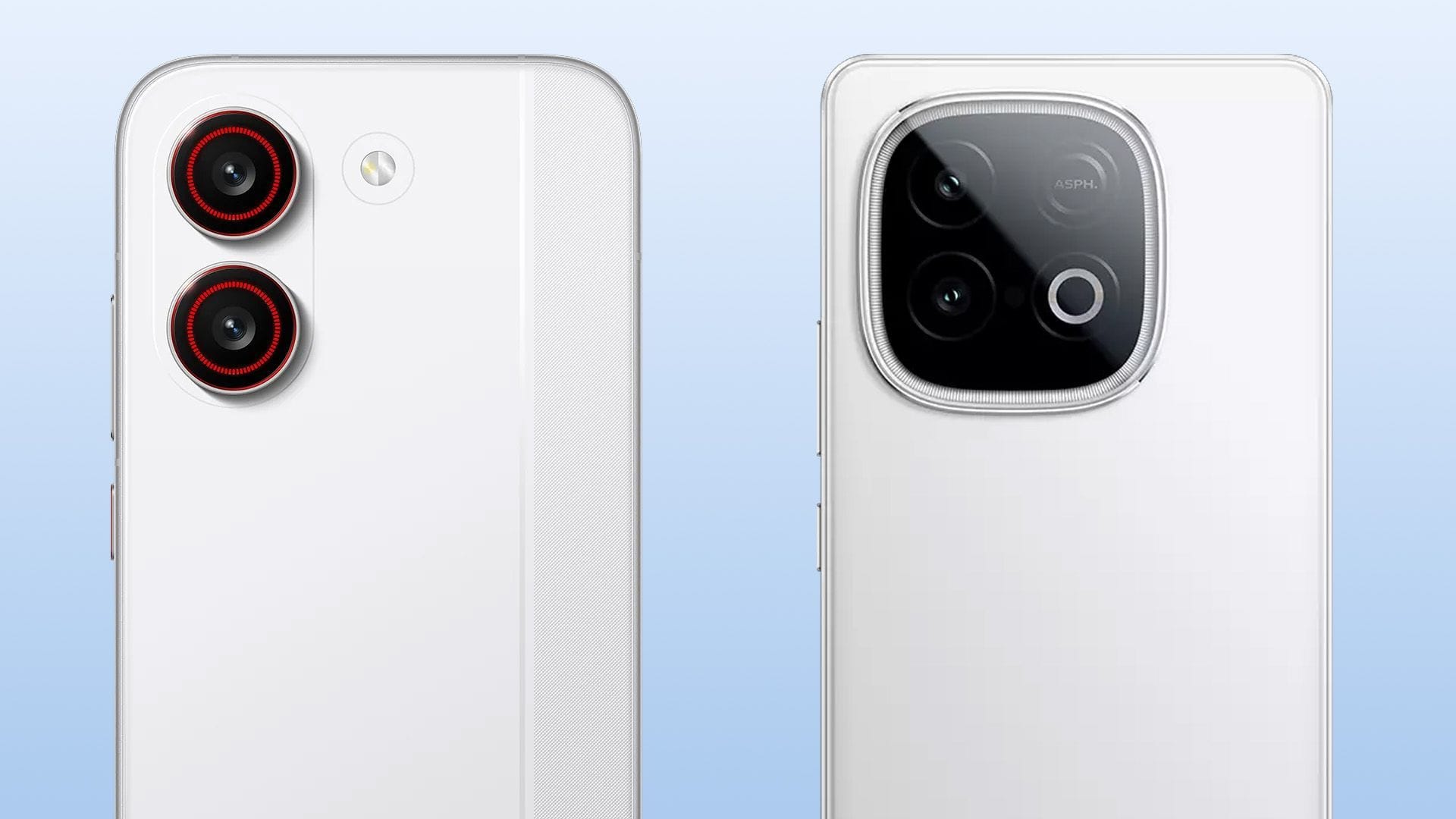
In terms of build quality, the Redmi Turbo 5 emphasizes durability with a Corning Gorilla Glass 7i front, aluminum frame, and dual IP68 and IP69K ratings that enable submersion and high-pressure water jet resistance. Despite housing a large battery, it maintains a lightweight 204g profile. The iQOO Neo 10 offers comparable protection with Gorilla Glass 7i and military-standard durability compliance, but utilizes a plastic back and frame at 206g. The Redmi's premium metal construction and superior water resistance give it an edge in build quality considerations.
Display technology strongly differentiates the two devices. The Redmi Turbo 5 features a 6.59-inch AMOLED screen with 120Hz refresh rate and 3500 nits peak brightness, supporting 68 billion colors and Dolby Vision for rich video playback. The iQOO Neo 10 counters with a larger 6.78-inch AMOLED display, faster 144Hz refresh rate, and superior 4400 nits brightness—appealing more to gaming enthusiasts and users prioritizing screen size. For performance, the Redmi uses MediaTek Dimensity 8500 Ultra while the iQOO employs Snapdragon 8s Gen 4, both delivering comparable daily and gaming performance.
Camera capabilities are largely matched, with both phones featuring 50MP main sensors with optical image stabilization and 8MP ultrawide lenses. The iQOO Neo 10 distinguishes itself with a 32MP selfie camera capable of 4K video recording, benefiting content creators, while the Redmi offers a 20MP front camera. Battery performance shows the Redmi Turbo 5 leading with 7540 mAh capacity and 100W charging, versus the iQOO Neo 10's 7000 mAh battery compensated by faster 120W charging. Storage options extend to 512GB for both devices, with the Redmi Turbo 5 starting at ₹37,999 for base configurations.
Why This Matters
For mid-range smartphone shoppers, this comparison directly addresses the critical decision between build durability and display performance—two primary upgrade drivers. Understanding the Redmi's superior water resistance and battery longevity versus the iQOO's gaming-optimized 144Hz display and faster 120W charging helps buyers align their purchase with real-world usage patterns, maximizing value in the ₹37,999–42,999 price segment.
Timeline & Sources
Jun 18, 2026
WireSportskeeda Tech publishes comparative review of Redmi Turbo 5 and iQOO Neo 10