
Yesterday·Emerging
Follow-up 1h ago Major4
100%
Samsung Reports 8.8-Fold Profit Surge on AI Chip Demand
Samsung Electronics reported an 8.8-fold increase in third-quarter operating profit to 107.4 trillion won, driven by severe supply shortages and surging demand for AI-related memory semiconductors, particularly high-bandwidth memory. Despite reaching a four-quarter profit high and exceeding 100 trillion won for the first time, investor reaction was muted due to concerns about the sustainability of AI spending, and Samsung's stock declined 2.4%.
Quick Facts
- Announced third-quarter operating profit results
- Achieved four consecutive quarters of record operating profit
- Surpassed 100 trillion won quarterly operating profit for the first time
- Experienced supply-demand imbalance in memory chip market
- Increased HBM shipments by approximately 50% quarter-on-quarter
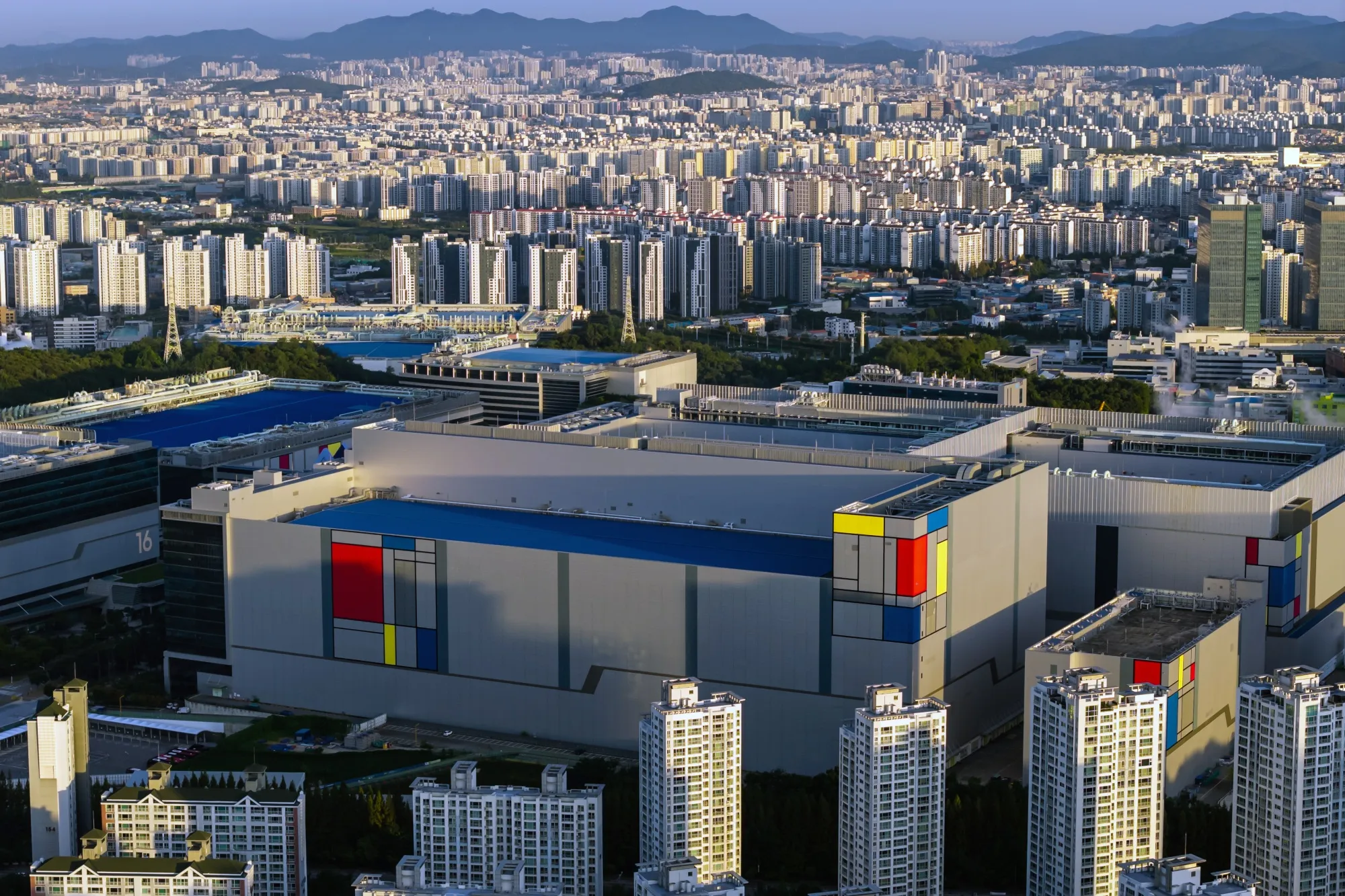
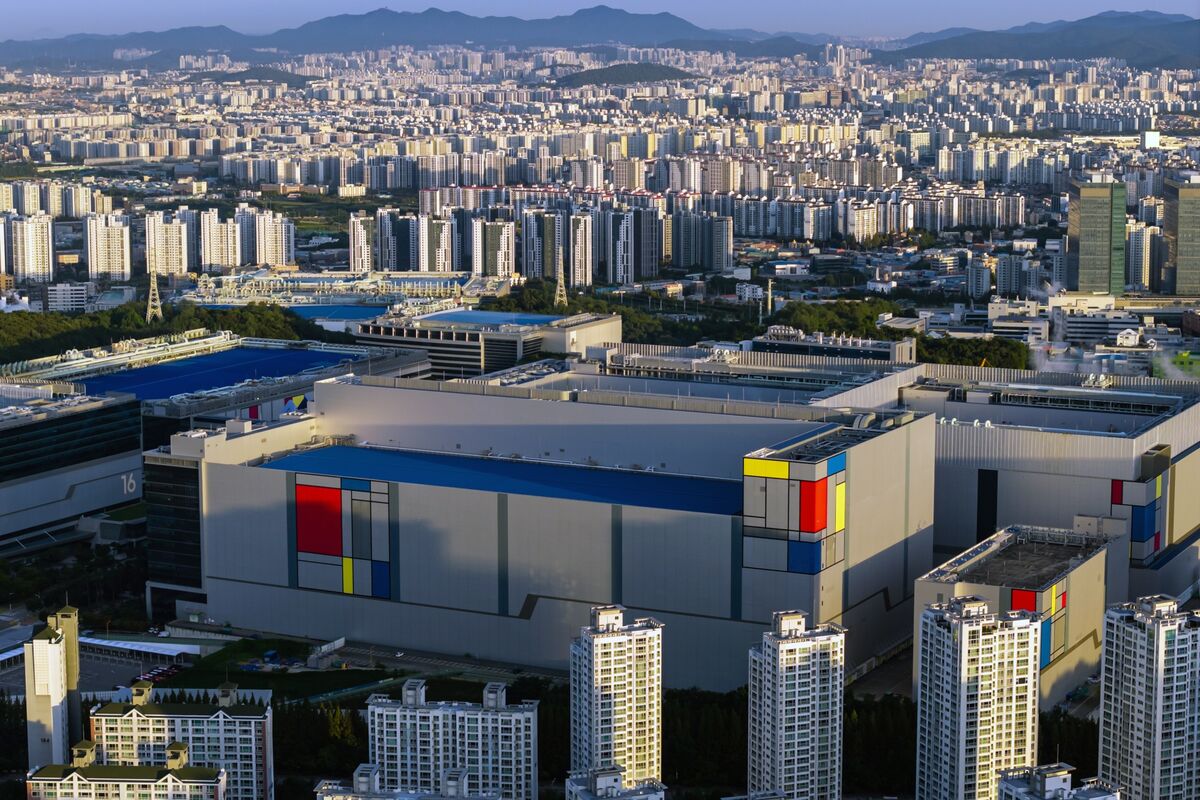
Samsung Electronics announced a record-breaking 8.8-fold increase in third-quarter operating profit to 107.4 trillion won (approximately $8.02 billion USD or 12.65 trillion yen), driven primarily by surging demand for memory semiconductors used in artificial intelligence data centres. The company's operating profit has now reached a new high for four consecutive quarters, surpassing the 100 trillion won threshold for the first time in its history.
The profit surge reflects a significant supply-demand imbalance in the memory chip market. Traditional DRAM and NAND flash memory remain in tight supply, while demand for high-bandwidth memory (HBM) — essential for processing large volumes of data in AI applications — has expanded rapidly. Industry analysts estimate Samsung's HBM shipments increased by nearly 50% quarter-on-quarter on a bit-basis, particularly driven by demand for HBM4 chips. Supply constraints are expected to persist through 2027, further widening the gap between available capacity and AI infrastructure demand.
Third-quarter revenue is projected to reach 195 trillion won, a 127% increase year-on-year. However, the profit gains from memory semiconductors are creating cost pressures for Samsung's other business units. The rising cost of memory chips used in smartphones and consumer electronics is compressing margins in these divisions. Additionally, a stronger won has partially offset overseas revenue gains when converted back to local currency.
Investor sentiment remained cautious despite the record results. Samsung's stock price fell 2.4% in Seoul on October 8 following the earnings announcement. Bloomberg reported that broader market concerns about the sustainability of AI investment — particularly regarding rising debt levels funding the infrastructure boom — tempered enthusiasm across the semiconductor sector, with suppliers including Tokyo Electron, Advantest, and Ibiden also declining in value.
Why This Matters
Samsung's 8.8-fold profit increase signals sustained demand for AI-infrastructure memory chips through structural supply constraints forecast to 2027, affecting semiconductor equipment manufacturers, data centre operators, and cloud service providers. The 50% quarter-on-quarter HBM shipment growth and tightening DRAM/NAND supply will raise memory component costs for smartphone and consumer electronics makers. However, stock declines across the semiconductor supply chain suggest investors are pricing in uncertainty about the pace and duration of AI capital spending, which could influence capex decisions by equipment suppliers and chipmakers globally.
Timeline & Sources
Oct 8, 2026
WireSamsung announces third-quarter results; stock price falls 2.4% in Seoul
Oct 29, 2026
WireDetailed quarterly earnings with business segment breakdown scheduled for release