
Oct 15·Geo
Follow-up 1h ago Major4
95%
Egypt's Sisi confirms presidency ends in 2030, rejects constitutional changes
Egyptian President Abdel Fattah El-Sisi confirmed on October 17 that his presidency will end in 2030 with no constitutional amendments to extend his term, responding to weeks of calls from some supporters for him to remain in office. Sisi stated the decision is final while indicating the Egyptian people would decide on any future constitutional initiatives.
Quick Facts
- Sisi announced his presidency will end in 2030
- Sisi rejected any constitutional amendments to extend his term
- Sisi addressed public calls from supporters for constitutional changes
- Sisi emphasized developing new leaders during remaining years
- Sisi stated the decision is final and completely settled
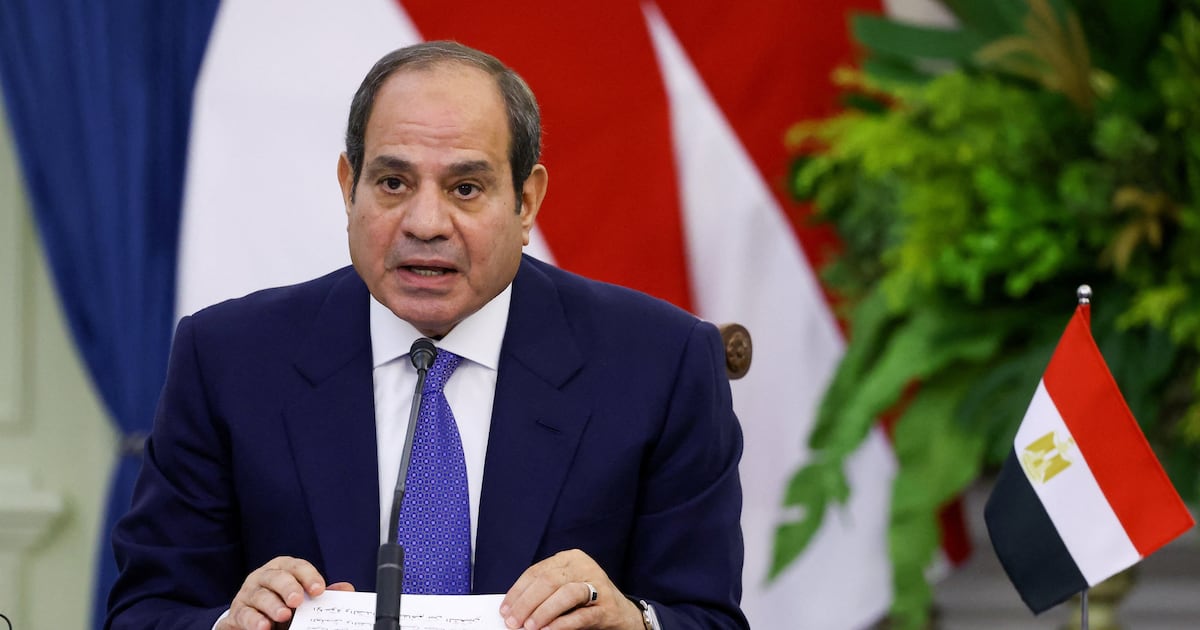
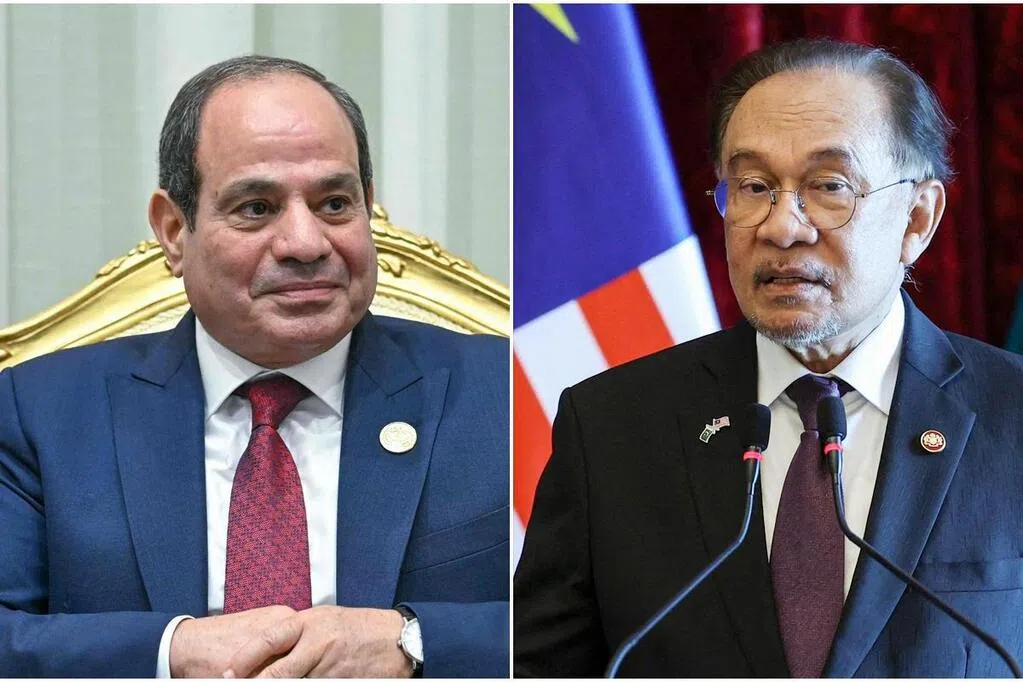

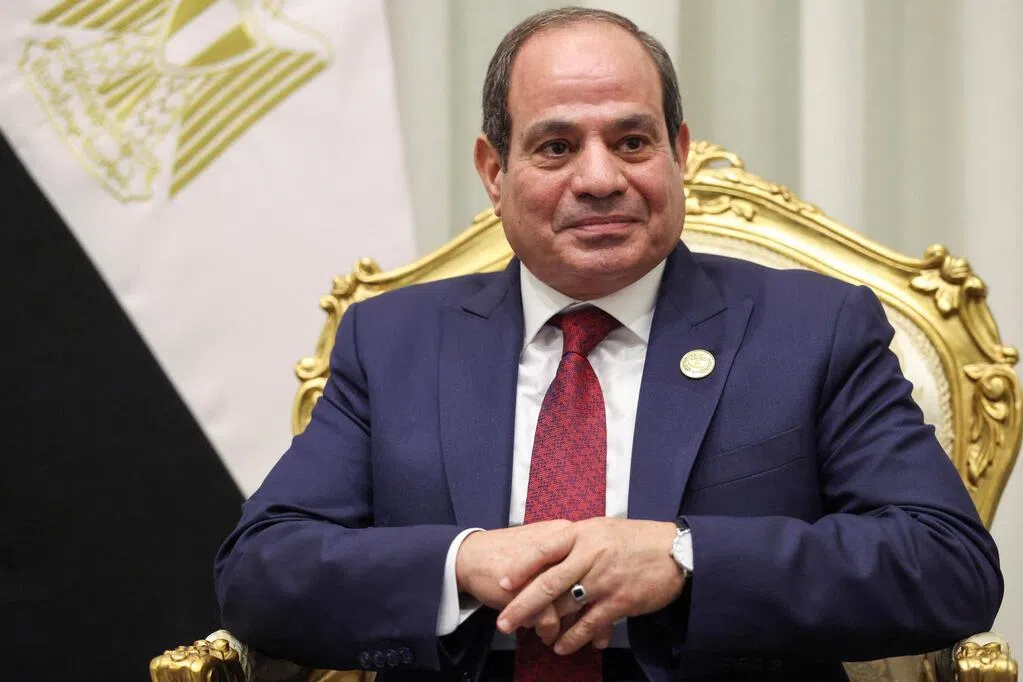
Egyptian President Abdel Fattah El-Sisi said on October 17 that his presidential term will conclude in 2030 with no constitutional amendments to extend his tenure. Speaking at a military academy graduation ceremony in the new administrative capital, Sisi stated the decision is "completely settled" and final, with no further discussion or room for amendment.
Sisi's remarks address weeks of speculation and public calls from some government-aligned supporters and social media accounts for constitutional changes to allow him to remain in office beyond 2030. In his first direct public statement on the matter, Sisi acknowledged this pressure while appearing to leave formal room for the people to decide on future constitutional initiatives. "The nation has a constitution that we adopted. No one can touch it," he told a televised gathering of cabinet members and army officers, adding that "the people alone will decide the success or lack thereof of anything that's done."
Sisi, now 71, has been in office since 2014 and would have served 16 years by 2030. His current term extends to that year following a 2019 constitutional referendum that extended presidential terms from four to six years and included a transitional clause benefiting Sisi. The 2019 amendments came after a 2014 constitution limited presidents to two four-year terms. In 2023, Sisi won re-election with 89.6 percent of the vote against three little-known opponents.
Sisi emphasized using his remaining years to develop new leaders, noting the military academy's role in training future officials and presidential candidates. Many Egyptians view Sisi as providing stability amid regional conflicts in Gaza, Sudan, and Libya, as well as economic pressures from Middle East tensions and water disputes with Ethiopia over Nile water rights. Critics argue government policies—including large infrastructure spending and heavy foreign borrowing—have worsened Egypt's economic challenges, while supporters credit Sisi with maintaining institutional stability during turbulent conditions.
Why This Matters
Sisi's public confirmation affects Egypt's governance timeline and regional stability expectations through 2030. Constitutional succession planning influences investor confidence, military leadership transitions, and the framework for resolving competing claims within Egypt's political establishment. Regional partners—including those concerned with Suez Canal operations, Gaza border management, and Nile water negotiations—monitor leadership continuity in the region's most populous country.
Timeline & Sources
Jan 1, 1952
WireEgyptian monarchy overthrown; military rule begins
Jan 1, 2011
WireHosni Mubarak removed from power after popular uprising
Jan 1, 2030
WireTarget date for end of Sisi's presidency after 16 years in office
Jan 1, 2030
WireSisi's presidency scheduled to end
Sources
- El Sisi says no changes planned for Egypt's constitution amid rumours of fourth termThe NationalMediaOct 15, 2026
- Urgent: Egypt's Sisi says his presidency to end in 2030xinhuaMediaOct 17, 2026
- 埃及总统塞西承诺2030年卸任 强调不再修宪zaobaoMediaOct 17, 2026
- Xinhua News | Egypt's Sisi says his presidency to end in 2030xinhuaMediaOct 17, 2026