
Oct 26·Emerging
Follow-up 6d ago Major5
100%
Japan's former PM Fukuda Yasuo dies at 90; championed China ties
Yasuo Fukuda, Japan's former prime minister (2007–2008) and longtime advocate for improved China-Japan relations, died on October 22, 2026, at age 90 from heart failure. Though his tenure lasted only one year, he significantly influenced Japanese foreign policy through diplomatic initiatives, including facilitating a Chinese state visit and avoiding actions that would strain ties with Beijing. Both Japan's current government and China mourned his passing as a major loss for bilateral relations.
Quick Facts
- Died from heart failure
- Served as Prime Minister of Japan
- Served as Chief Cabinet Secretary
- Improved China-Japan relations
- Avoided Yasukuni Shrine visits

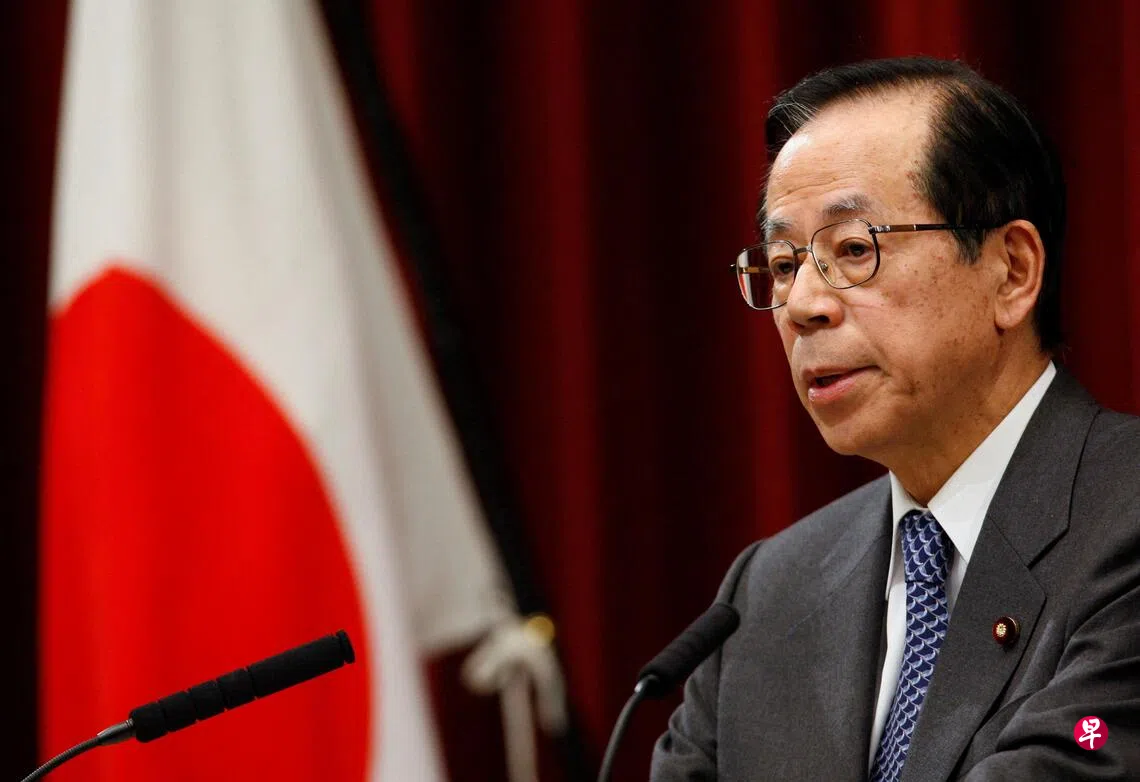


Yasuo Fukuda, former prime minister of Japan, died on October 22, 2026, from heart failure at a Tokyo hospital. He was 90 years old. Fukuda served as prime minister for approximately one year, from September 2007 to September 2008, following the sudden resignation of Shinzo Abe. Despite his brief tenure, he left a significant mark on Japanese foreign policy, particularly through his efforts to improve and stabilize relations with China.
Born on July 16, 1936, in Tokyo, Fukuda came from a prominent political family. His father, Takeo Fukuda, served as prime minister from 1976 to 1978, making the Fukuda family the first in Japanese constitutional history to produce a father-and-son prime minister pair. Before entering politics full-time, Fukuda spent 17 years working in the private sector at an oil company, including a two-year posting in the United States. He first won election to the House of Representatives in 1990 from Gunma Prefecture and served seven terms.
Prior to his premiership, Fukuda held significant influence as Chief Cabinet Secretary under Prime Ministers Keizo Obuchi and Junichiro Koizumi from 2000 to 2004, serving 1,289 days in that role—the second-longest tenure for that position in Liberal Democratic Party history. During his time as Chief Cabinet Secretary, he earned the nickname "shadow foreign minister" due to his active involvement in diplomatic affairs. He resigned in May 2004 following a controversy over unpaid pension contributions.
During his brief time as prime minister, Fukuda pursued a diplomatic approach centered on reconciliation with Asian neighbors, particularly China. His government facilitated the first visit by a Chinese head of state to Japan in a decade when President Hu Jintao visited in May 2008. He also avoided the controversial Yasukuni Shrine visits that had strained China-Japan relations, declining to pay respects at the shrine on August 15, 2007. His administration signed the fourth China-Japan political document outlining principles for bilateral relations. Domestically, he established the Consumer Affairs Agency and strengthened public document management legislation. He served as chair of the 2008 G8 summit held in Toyako, Hokkaido.
Fukuda faced significant political challenges during his premiership. The Diet was divided between the ruling and opposition parties, hampering legislative progress. Multiple scandals—including missing pension records and military bribery allegations—eroded public support. When the economy contracted in spring 2008, the government's standing weakened further. On September 1, 2008, he announced his sudden resignation, citing the difficulty of governing with a divided parliament. His departure drew criticism from commentators who accused him of "abandoning power." He was succeeded by Taro Aso on September 24, 2008.
After leaving office, Fukuda remained deeply engaged in China-Japan relations. From 2010 to 2018, he served as chairman of the Boao Forum for Asia, a major international conference promoting regional cooperation. He continued to contribute to the forum as an advisor after stepping down. In July 2014, during a period of heightened tension between China and Japan over the Senkaku Islands (known as the Diaoyu Islands in China), Fukuda visited China as Boao Forum chairman to relay messages between the governments, encouraging dialogue between then-Prime Minister Abe and President Xi Jinping. As recently as 2025, he remained active in promoting dialogue, publishing written remarks for a Boao Forum side event. In January 2026, Fukuda criticized current Prime Minister Sanae Takada's "Taiwan contingency" statements, suggesting the remarks may have been made without fully considering China's likely response.
Chinese authorities mourned Fukuda's passing as a significant loss. The Chinese Foreign Ministry described him as "an old friend of the Chinese people" and credited him with making "active contributions" to improving bilateral relations. Foreign Ministry spokesperson Guo Jiakun noted that Fukuda upheld the correct historical perspective and visited the Nanjing Massacre Memorial Hall after his premiership. Taiwan's President Lai Ching-te expressed "deep condolences," highlighting the close ties between Japan and Taiwan.
Fukuda's son, Tatsuo Fukuda, is currently a member of the House of Representatives and is regarded as a potential future prime minister candidate.
Why This Matters
Fukuda's death marks the passing of a Japan-China bilateral relations advocate whose diplomatic initiatives shaped the 2007–2008 period and extended influence through his 2010–2018 Boao Forum chairmanship. Both Japanese and Chinese officials identified him as a stabilizing figure in bilateral ties during periods of elevated tension, including the 2014 Senkaku/Diaoyu Islands disputes. His personal efforts to facilitate government-to-government dialogue—most recently in 2026—leave a measurable gap in informal diplomatic channels between Tokyo and Beijing at a time when official relations remain strained.
Timeline & Sources
Jul 16, 1936
WireYasuo Fukuda born in Tokyo
Jan 1, 1976
WireFukuda joins father Takeo Fukuda as secretary when father becomes PM; Takeo Fukuda serves as PM (1976–1978)
Jan 1, 2020
WireFukuda visits Taiwan representative office to mourn Li Denghui
Oct 22, 2026
WireFukuda dies from heart failure at Tokyo hospital at age 90