
Oct 22·Geo
Follow-up 2d ago27
93%
Student Movement Defeats Vučić's 14-Year Rule in Serbia Election
Serbia's October 25, 2026 snap parliamentary elections resulted in a historic defeat for Aleksandar Vučić and his Serbian Progressive Party after 14 years in power. The student-led "Student List – Students Win" coalition, born from anti-corruption protests following a 2024 train station collapse, won 52.57% of the vote and secured an outright parliamentary majority with record voter turnout of 64.89%. Vučić conceded defeat and acknowledged the student movement's electoral mandate.
Quick Facts
- Snap parliamentary elections held
- Student-led movement challenged ruling party
- Vučić conceded electoral defeat
- Student List secured outright parliamentary majority
- Anti-corruption movement emerged from train station collapse protests
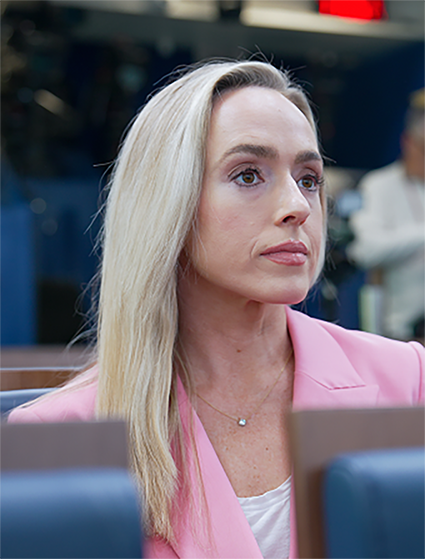



Serbia held snap parliamentary elections on October 25, 2026, resulting in a historic defeat for Aleksandar Vučić and his Serbian Progressive Party (SNS), which had dominated the country's politics for 14 years. The student-led "Student List – Students Win" coalition, which emerged from anti-corruption protests sparked by a November 2024 train station collapse in Novi Sad that killed 16 people, won 52.57% of the vote according to final electoral commission tallies. With 96.47% of votes counted, the Student List secured between 135 and 140 of the 250 parliamentary seats needed for an outright majority, while Vučić's "Aleksandar Vučić – United Serbia" list received 39.27% and approximately 105 seats.
Vučić conceded defeat on election night, roughly 90 minutes after polls closed at 8 p.m. local time. He acknowledged the student movement's mandate and pledged that his political movement would remain united and continue from the opposition benches. The election was marked by record voter turnout of 64.89%, significantly exceeding turnout in the previous 2023 elections. The Student List fielded 250 candidates drawn from across Serbian society—professors, cardiologists, athletes, actors, and farmers—rather than established politicians, presenting itself as a leaderless anti-corruption movement rather than a traditional opposition party.
The protests that birthed the movement began in November 2024 after the collapse of a concrete canopy at Novi Sad railway station. Critics linked the disaster to government corruption and negligence in infrastructure projects. What started as university student blockades and demonstrations evolved into Serbia's largest social mobilization since the fall of Slobodan Milošević in 2000, drawing support from teachers, farmers, judges, and other sectors of society. The movement organized through decentralized student assemblies (plenums) and campaigned on institutional reform, combating corruption, and restoring the rule of law—issues that resonated particularly with young voters long considered politically disengaged.
The election took place amid documented tensions. Independent election-monitoring organization CRTA recorded 116 incidents involving physical violence or verbal threats during the campaign, surveillance of opposition activists, and slow police response to protect opposition supporters. Reports also emerged in final campaign days linking SNS-connected individuals to criminal networks. Police in riot gear cordoned off central Belgrade around the election commission headquarters on voting day, and large groups of black-clad men congregated at various locations throughout the city.
Vučić had called the snap elections in September and resigned as president on September 27 to run as the SNS's prime ministerial candidate, as the Serbian constitution prevented him from seeking a third presidential term. He had previously served as prime minister (2014–2017) and president (2017–2026). Despite significant support among portions of the electorate who credited him with economic modernization and infrastructure development, his popularity eroded following the 2024 train station tragedy. International observers, including from the OSCE and European Parliament, monitored the election; some Russian, Azerbaijani, Kazakh, and Georgian observers were also present. The newly elected National Assembly must hold its first sitting within 30 days.
Why This Matters
Serbia's political control has shifted: a student-led anti-corruption coalition unseated Aleksandar Vučić's 14-year governing majority and secured a parliamentary supermajority, signaling potential institutional reform, judicial independence reviews, and infrastructure accountability measures. The movement's mandate stems from public anger over the November 2024 train station collapse in Novi Sad (16 deaths) and documented campaign-period incidents (116 recorded incidents involving physical violence or threats, police delays protecting opposition supporters). Immediate effects include coalition formation negotiations, new government composition within 30 days, and possible shifts in Serbia's EU integration priorities, judicial reform pace, and anti-corruption enforcement. International observers from OSCE and European Parliament were present; some Russian, Azerbaijani, Kazakh, and Georgian observers also monitored.
Timeline & Sources
Jan 1, 2012
WireSerbian Progressive Party comes to power
Jan 1, 2014
WireAleksandar Vučić becomes prime minister
Dec 31, 2026
WireSerbian presidential election required by this date
Dec 31, 2026
WirePresidential election must be held (by end of December 2026)
Sources
- Why Serbian elections are so important - as students challenge 12 years of Vučić ruleBBCMediaOct 22, 2026
- Early reports suggest record high turnout in Serbia electionsBBCMediaOct 25, 2026
- Serbia votes as strongman Vučić faces grassroots challenge to 12-year rule – Europe liveThe GuardianMediaOct 25, 2026
- Serbia's veteran ruler Vučić concedes election to student-led protest movementBBCMediaOct 25, 2026
- Serbia: Hope, tension and apprehension as voters prepare to elect new parliamentDW.comMediaOct 23, 2026
- Serbia votes in election pitting longtime leader against student movementAl JazeeraMediaOct 25, 2026
- Serbia begins voting in snap parliamentary electionsxinhuaMediaOct 25, 2026
- Vucic pledges responsible approach to election resultsxinhuaMediaOct 25, 2026
- Serbia election: Can student-led opposition end Aleksandar Vucic's grip on power?DW.comMediaOct 25, 2026
- Voter turnout at Serbia’s snap parliamentary elections exceeds 50% — InformertassMediaOct 25, 2026
- Voting at Serbia’s snap parliamentary elections overtassMediaOct 25, 2026
- Students’ List wins snap parliamentary elections in Serbia — VucictassMediaOct 25, 2026
- Serbia's Vucic concedes election defeat as student-led movement claims victoryxinhuaMediaOct 25, 2026
- Serbia's Vucic concedes election defeat to student-led movementxinhuaMediaOct 25, 2026
- Urgent: Student-backed electoral list declares victory in Serbia's parliamentary electionxinhuaMediaOct 25, 2026
- Urgent: Vucic acknowledges SNS defeat in Serbian parliamentary electionxinhuaMediaOct 25, 2026
- Aleksandar Vucic concedes defeat in Serbia's parliamentary election, marking political shiftCBS NewsMediaOct 25, 2026
- Líder populista da Sérvia reconhece derrota para movimento estudantil em eleições parlamentaresValor EconômicoMediaOct 25, 2026
- Líder sérvio Aleksandar Vučić admite derrota em eleição parlamentar altamente acirradaEstadãoMediaOct 26, 2026
- Serbia's Vucic concedes election defeat as student-led movement winscgtnMediaOct 25, 2026
- Xinhua News | Serbia's Vucic concedes election defeat as student-led movement claims victoryxinhuaMediaOct 26, 2026
- Serbia's strongman leader Vucic concedes defeat to student-led movement in seismic political shiftPBSMediaOct 25, 2026
- 塞尔维亚议会选举初步结果出炉 武契奇承认败选zaobaoMediaOct 26, 2026
- IN BRIEF: What is known about Vucic party’s defeat in Serbia’s parliamentary electionstassMediaOct 26, 2026
- ‘Student List’ wins 52% of vote, Vucic’s supporters get 39% — Serbian electoral commissiontassMediaOct 26, 2026
- Moscow highly values Vucic’s contribution to Russia-Serbia relations — KremlintassMediaOct 26, 2026
- Сверхдержава не вышла?Радио СвободаMediaOct 26, 2026