Emerging
Jun 23, 2026 Major2
89%
U.S. and Iran Complete First Round of Talks in Switzerland; Agree on Nuclear Inspections and Ceasefire Mechanisms
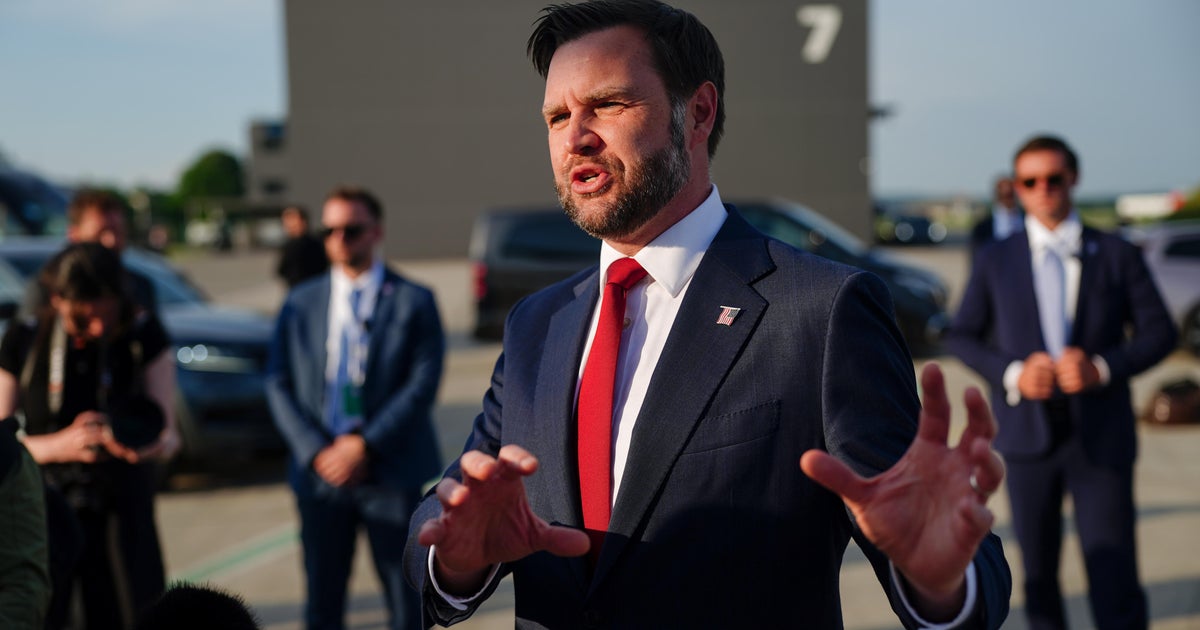
The U.S. and Iran completed their first day of talks in Switzerland, with Vice President Vance announcing Iran's agreement to allow nuclear inspections to resume, though Iran indicated substantive nuclear negotiations have not yet started. The sides established mechanisms for a ceasefire in Lebanon and maritime safety in the Strait of Hormuz, with Iran's frozen assets and oil sales also discussed.
Quick Facts
Who
Vice President JD Vance
What
Iran agreed to allow international nuclear inspectors to return
When
Monday, June 23, 2026
Where
Switzerland
- Iran agreed to allow international nuclear inspectors to return
- U.S. and Iran completed first day of negotiations
- Four working groups established for sanctions, nuclear affairs, reconstruction, and monitoring
- Deconfliction cell created for ceasefire enforcement
- Line of communication established for Strait of Hormuz
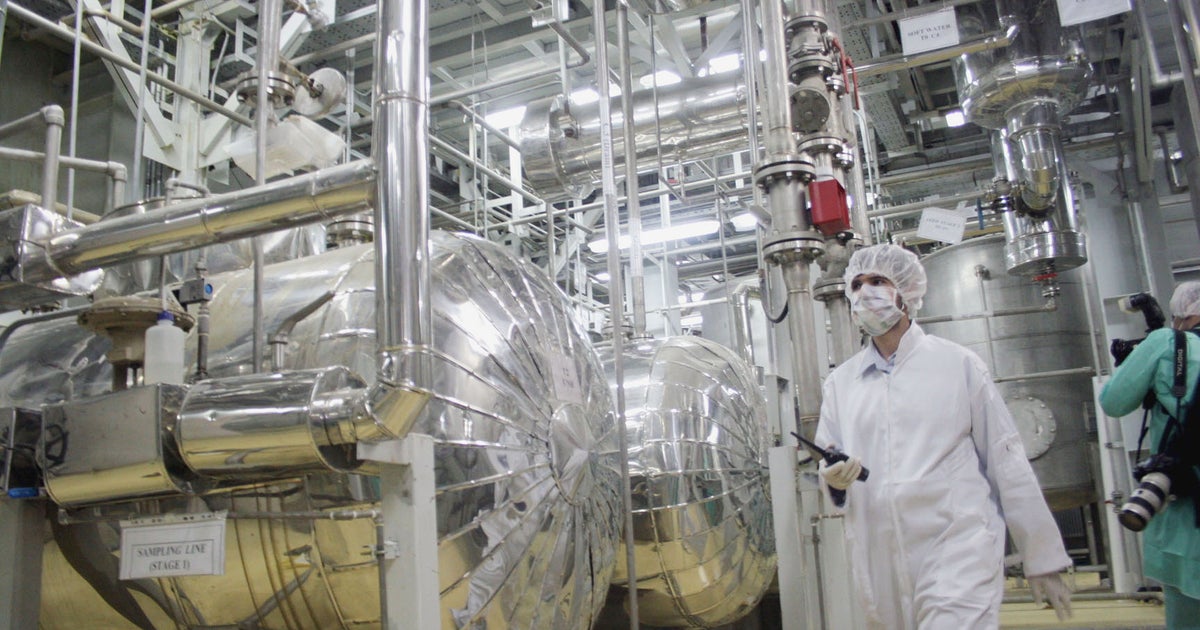
U.S. Vice President JD Vance announced Monday that Iran has agreed to allow international nuclear inspectors to return to the country following what he described as a "very, very good" first day of negotiations in Switzerland. However, Iran's foreign ministry clarified that substantive negotiations on nuclear issues have not yet commenced, with technical discussions expected to continue through four working groups focused on sanctions termination, nuclear affairs, reconstruction and economic development, and monitoring of any agreements reached.
The two sides made progress on multiple fronts beyond the nuclear issue. Mediators confirmed that the U.S., Iran, and Lebanon have established a "deconfliction cell" to ensure compliance with the ceasefire on all fronts, particularly in Lebanon where fighting between Israel and Hezbollah continues. Additionally, the parties agreed to create a line of communication in the Strait of Hormuz to prevent incidents and ensure safe passage for commercial vessels through the vital waterway. Iran's lead negotiator, Mohammad Bagher Qalibaf, emphasized that Tehran intends to manage the strait in accordance with international law and restore its economic function.
The negotiations also addressed Iran's frozen assets and oil sales. The U.S. Treasury Department issued a 60-day license exempting Iranian oil from sanctions, marking the first significant import of Iranian oil to the United States since the 1990s. Vice President Vance suggested that unfrozen Iranian assets could be used to purchase American agricultural products, including soya, corn, and wheat, in coordination with Qatar.
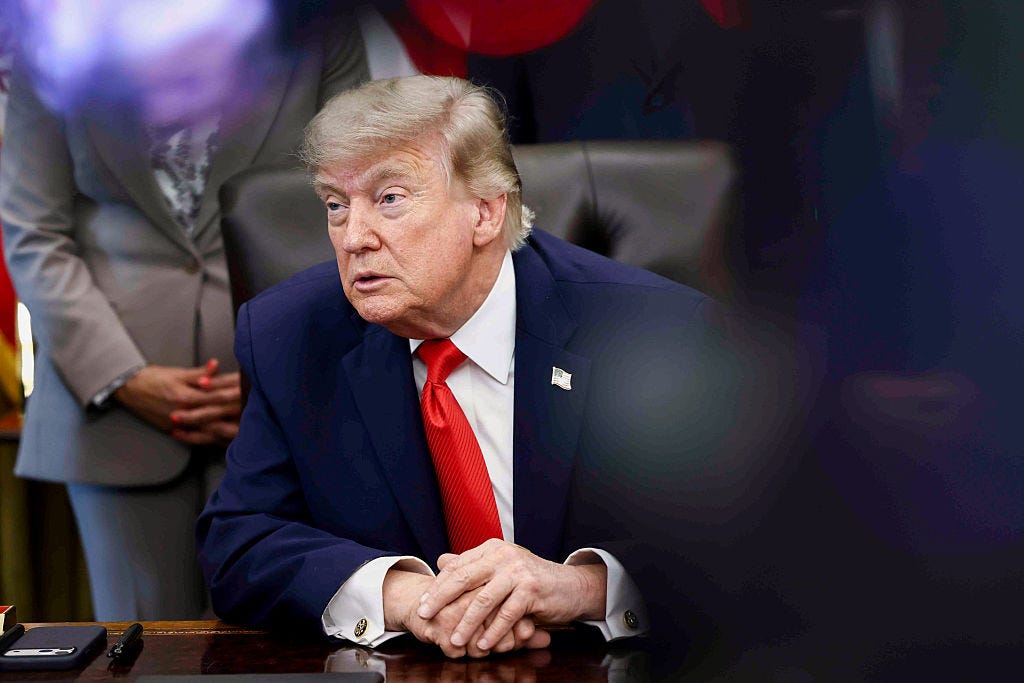
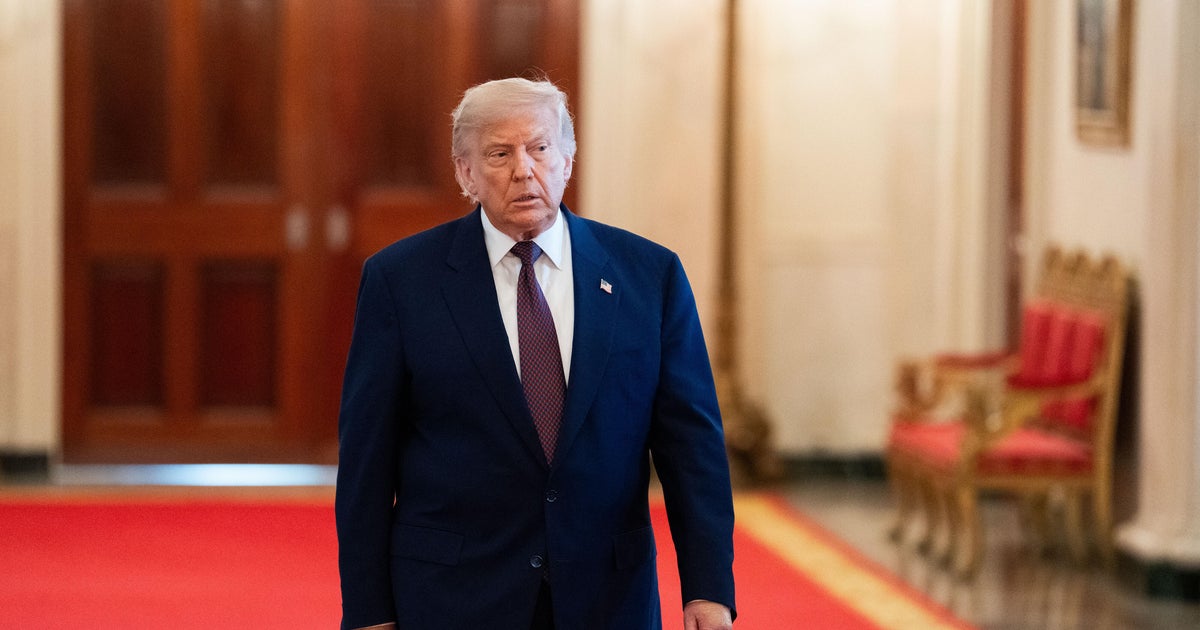
Meanwhile, the Pentagon is requesting an additional $80 billion from Congress to cover costs related to the ongoing war against Iran, supplementing the White House's broader request for $1.5 trillion in Pentagon funding—a nearly 50% increase over current fiscal year levels. Defense Secretary Pete Hegseth has been lobbying Capitol Hill for the additional military spending. President Trump, who was not present at the "Lucerne Lake Summit," publicly stated that the Strait of Hormuz is "totally open" and claimed oil is flowing through it at record levels.
The negotiations faced interruptions when Trump's public statements offended Iranian officials, causing Iranian state media to report temporary pauses in talks. However, discussions resumed and technical teams continue work on the substantive issues. Secretary of State Marco Rubio is scheduled to travel this week to the United Arab Emirates, Kuwait, and Bahrain to discuss developments.
Lawmakers remain skeptical of the memorandum of understanding Trump struck with Iran and are wary of committing additional defense funding amid high domestic costs of living.
Why This Matters
These talks represent a critical diplomatic shift in U.S.-Iran relations, with concrete agreements on nuclear inspections and ceasefire mechanisms reducing immediate conflict risks. The establishment of deconfliction cells in Lebanon and communication channels in the Strait of Hormuz signals potential stabilization of two volatile flashpoints affecting global trade and regional security. For businesses and investors, the 60-day oil sanctions exemption signals potential normalization of Iranian oil markets and economic engagement, directly impacting energy prices and supply chains. However, Congressional skepticism and domestic political resistance may limit the sustainability of these arrangements.
Timeline & Sources
Feb 28, 2026
WireU.S. and Israel attack Iran; Iran closes Strait of Hormuz; Hezbollah and Israel begin fighting
Jun 22, 2026
WireMediation talks begin in Switzerland
Jun 23, 2026
WireTechnical talks conclude; four working groups established for future negotiations
Jun 23, 2026
WireU.S. Treasury issues 60-day license exempting Iranian oil from sanctions
Jun 23, 2026
WireVP Vance announces Iran will allow nuclear inspectors to return after first day of talks
Jun 24, 2026
WireSecretary of State Rubio scheduled to travel to UAE, Kuwait, and Bahrain