
AI
Published Jun 16, 2026Updated Jun 181
56%
SpaceX Ties Musk's Compensation to Mars Colony and Space Data Center Ambitions
SpaceX has tied Elon Musk's compensation to achieving a $7.5 trillion valuation with a million-person Mars colony and operating space data centers drawing 100 terawatts of power. The board based this structure on Musk's track record of turning seemingly impossible predictions into reality, including routine crewed spaceflight, reusable rockets, and Starlink's multi-billion-dollar success.
Quick Facts
- SpaceX compensation package tied to two targets
- Company reaching $7.5 trillion valuation
- Establishing permanent Mars colony with 1 million residents
- Operating space data centers with 100 terawatts power consumption
- SpaceX launched crewed spaceflights

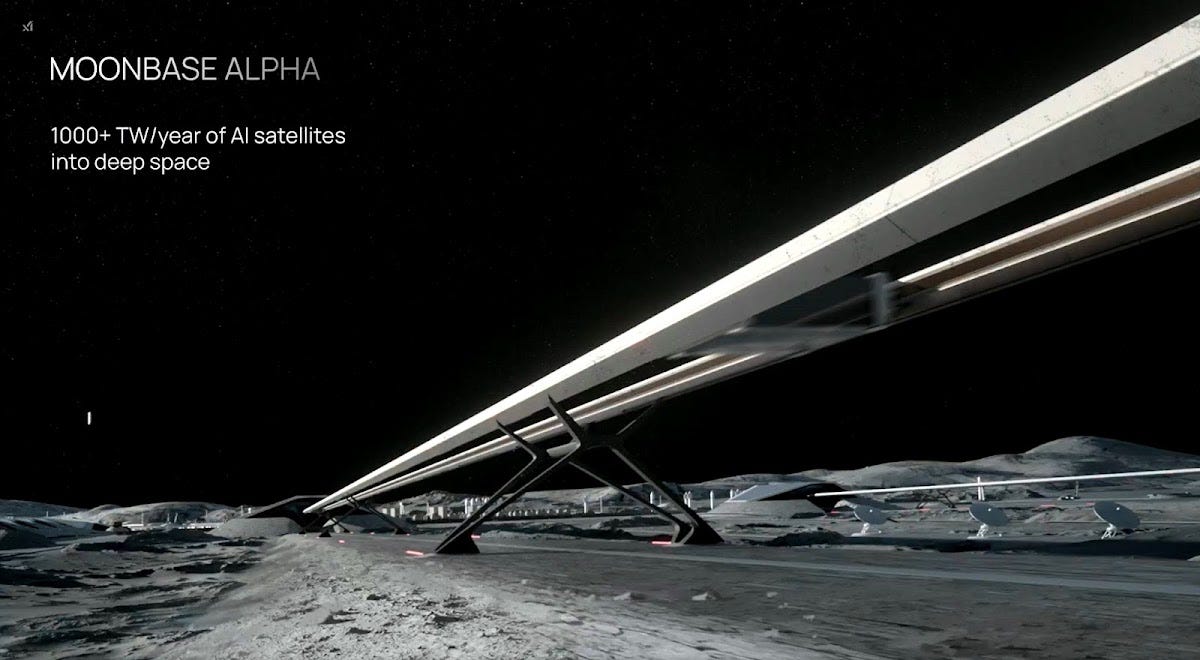
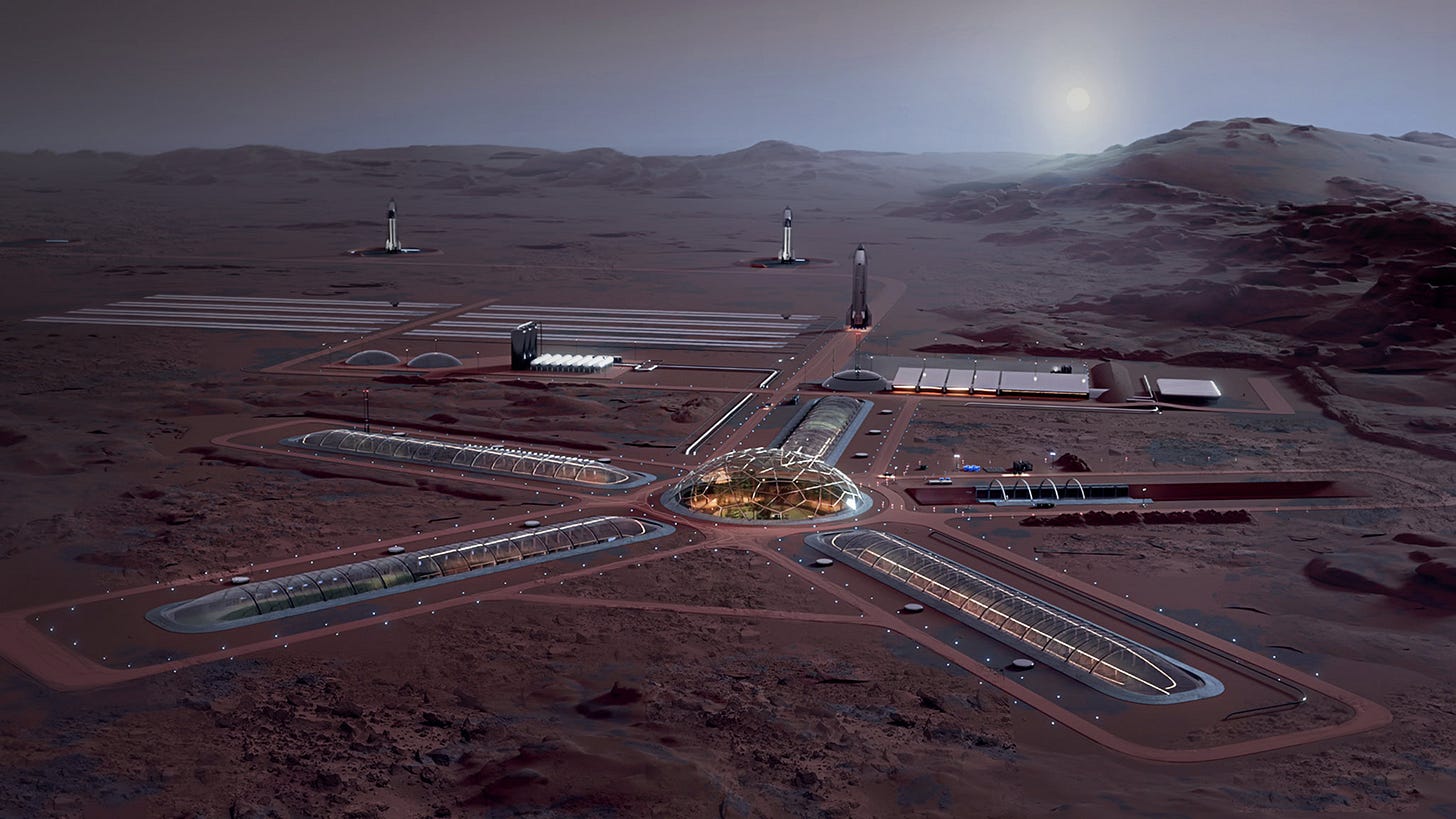

SpaceX has structured Elon Musk's compensation package around two transformative goals that reflect the company's long-term mission to make humanity multiplanetary. Under the agreement, Musk will receive substantial compensation if the company achieves a $7.5 trillion valuation while establishing a permanent human colony on Mars with at least one million residents, or if SpaceX operates space-based data centers drawing 100 terawatts of power—more than 1,000 times the combined consumption of all Earth-based data centers. If neither milestone is met, Musk receives only his base salary of $54,080, which he has earned since 2019.
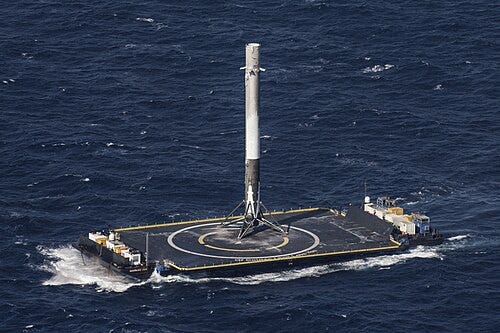
The board members who approved this compensation structure have observed Musk's consistent track record of achieving seemingly impossible goals. SpaceX has routinely flown NASA astronauts to orbit despite initial skepticism about private spaceflight capability, successfully landed and reused orbital rocket boosters hundreds of times when the industry once treated them as disposable, and grew Starlink from zero to $11.4 billion in annual revenue, transforming satellite internet from a bankruptcy-plagued sector into a viable multi-billion-dollar business. The predictions, while often aggressive on timing, have proven correct in direction.
The compensation structure itself reflects SpaceX's foundational mission, established in 2002, to make humanity multiplanetary. This vision draws inspiration from science fiction, particularly Iain M. Banks's Culture novels, which depict a utopian civilization where superintelligent AIs partnership with humans, freeing trillions to pursue meaningful pursuits. SpaceX's three autonomous drone ships—named after sentient starships from Banks's works—and Musk's own statements about the Culture series suggest a deliberate alignment between the company's ambitions and this literary vision of humanity's future.
Achieving these goals requires solving four fundamental prerequisites: accessing a meaningful fraction of stellar energy output, developing physical intelligence at scale through machines capable of autonomous construction and mining, creating digital intelligence exceeding biological capability, and establishing cheap, frequent, and reliable mass transportation off Earth. The compensation package thus ties Musk's personal financial incentives directly to solving humanity's existential scaling challenges.
Topics
Why This Matters
This compensation structure reveals how elite private space companies are embedding existential human ambitions into corporate incentive design. For investors, it demonstrates SpaceX's commitment to its founding mission rather than short-term profit maximization. For technologists and policy makers, it highlights the convergence of digital intelligence, energy access, and space infrastructure as interconnected prerequisites for humanity's long-term survival and scaling. Understanding these linkages is critical for anyone tracking AI development, energy policy, and space investment trends.
Timeline & Sources
Jan 1, 2002
WireSpaceX founded with mission to make humanity multiplanetary
Jan 1, 2019
WireElon Musk's base salary of $54,080 established at SpaceX
Jun 16, 2026
Wirea16z publishes article detailing SpaceX compensation structure and mission