Emerging
Jun 23, 2026 Major2
83%
Debunking Premium Gasoline Myths: Engine Cleaning Claims Face Scrutiny
A 2020 Mainichi Shimbun investigation revealed that premium gasoline's advertised engine-cleaning benefits are overstated, with companies making inconsistent claims. Despite subsequent corrections to marketing language by ENEOS and Costco, the actual effectiveness of detergents in premium fuel remains poorly documented. Consumer advocates suggest that dedicated fuel additives used correctly offer better value for engine cleanliness than premium gasoline alone.



Quick Facts
Who
Mainichi Shimbun
What
Premium gasoline (high-octane fuel) advertised with engine-cleaning claims
When
June 27, 2020 (Mainichi Shimbun investigation)
Where
Japan
- Premium gasoline (high-octane fuel) advertised with engine-cleaning claims
- 2020 scandal revealing misleading detergent claims and octane rating misrepresentation
- Oil companies sharing gasoline supplies across suppliers
- Modification of advertising language by major retailers post-2020
- Comparison of premium vs. regular fuel cost-effectiveness for engine cleaning
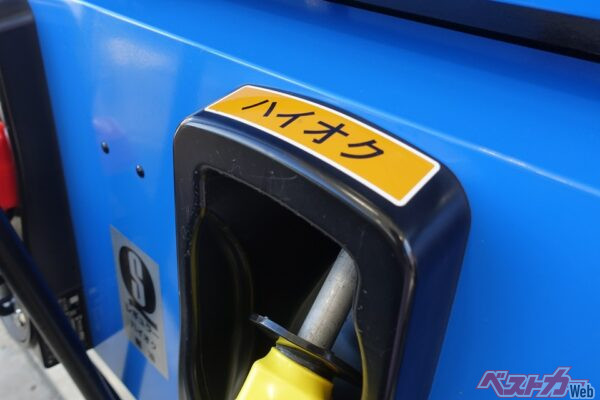
Premium gasoline, commonly known as "high-octane" or "haioку" in Japan, has long been associated with superior performance and engine cleanliness. However, a significant 2020 investigation by the Mainichi Shimbun revealed that many of these claims were misleading. The newspaper reported that premium gasoline products, which had been advertised as containing effective detergents for engine cleaning, did not deliver the advertised benefits consistently. Moreover, some oil companies were misrepresenting octane ratings, and gasoline supposedly developed independently by each company was actually being sourced and mixed from the same suppliers across the industry.
Following the 2020 scandal, major oil retailers modified their marketing claims. ENEOS now states that its premium gasoline contains synthetic detergents that prevent carbon deposits from adhering to engine intake systems—a more cautious claim that stops short of promising to remove existing deposits. Costco similarly clarifies that detergents are added to both its premium and regular gasoline formulations. Despite these corrections, some consumers continue to use premium fuel in regular-octane vehicles hoping for engine cleaning benefits, a practice lacking strong scientific support.
The detergent most commonly cited for high cleaning performance is PEA (polyetheramines), a component found in aftermarket fuel additives. However, PEA-based products require precise dosing instructions to be effective, and overdosing can backfire by leaving unburned residues that contaminate engine oil. When mixed with dissolved carbon deposits, these residues can degrade oil quality and potentially damage engines if oil changes are not performed promptly. Given the caution required when using such additives, it is questionable whether mainstream premium gasoline products contain sufficient concentrations to deliver noticeable effects.
For drivers seeking genuine engine cleanliness at optimal cost-effectiveness, specialist fuel additives used according to manufacturer specifications may prove more beneficial than relying on premium gasoline alone. For example, a vehicle averaging 10 kilometers per liter and traveling 1,000 kilometers monthly would face approximately 1,000 yen in monthly price difference between regular and premium fuel—roughly 12,000 yen annually. Allocating that budget toward high-quality aftermarket detergents and timely oil changes would likely yield superior results compared to the uncertain benefits of premium fuel.
Why This Matters
Drivers often pay a premium for gasoline believing it delivers superior engine cleanliness, yet this investigation exposes inconsistent claims and lack of scientific evidence. Understanding the actual cost-benefit analysis—comparing premium fuel markups against dedicated fuel additives and maintenance schedules—empowers consumers to make informed decisions that protect their engines while optimizing fuel budgets. The scandal also underscores how industry marketing can mislead consumers on technical claims that require rigorous documentation.
Timeline & Sources
Jun 27, 2020
WireMainichi Shimbun publishes investigation revealing premium gasoline misleading claims and octane rating misrepresentation
Jun 23, 2026
WireArticle synthesizing premium gasoline myths and consumer recommendations published