
Emerging
Published Jun 25, 2026Updated Jun 26 Major2
91%
English hospitals declare critical incidents as extreme heat causes equipment failures and staff strain
Record extreme heat has forced multiple English NHS trusts to declare critical incidents after medical equipment, IT systems, and cooling infrastructure failed. Doctors report overcrowding, patient heat-related illnesses, and severely strained staff as hospital systems proved unprepared for such conditions.
Quick Facts
- Radiotherapy machines failed
- MRI scanners stopped working
- Linear accelerator machines ceased functioning
- IT servers overheated
- Cooling units failed
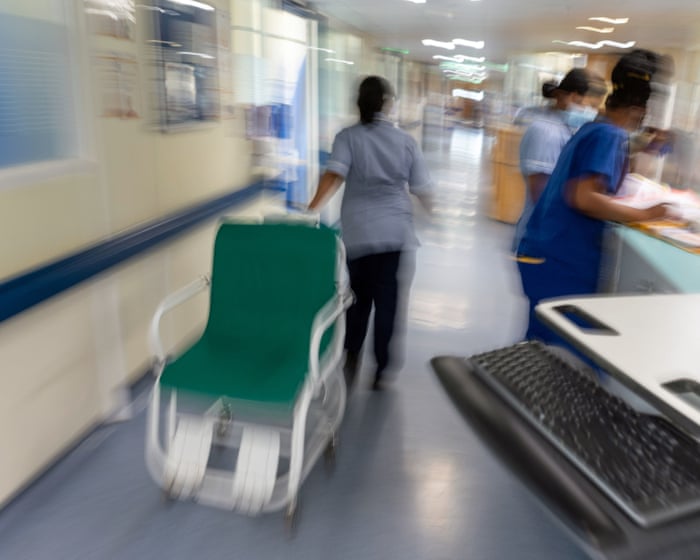
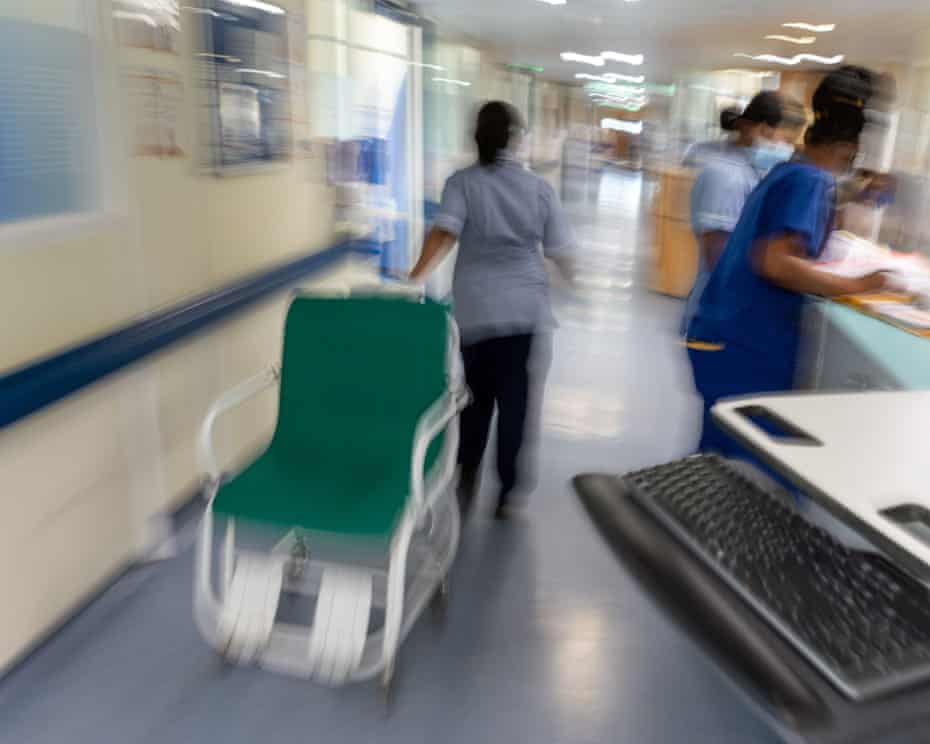

Hospitals across England have declared critical incidents as a record-breaking heatwave has caused widespread failures in medical equipment, IT systems, and cooling infrastructure. Radiotherapy machines, MRI scanners, and linear accelerators have stopped working, while critical IT servers have overheated, forcing staff to shut down non-essential systems to prevent data loss. The Queen Alexandra Hospital in Portsmouth and Norfolk and Norwich University Hospitals NHS Foundation Trust both declared critical incidents after cooling units failed, affecting operating theatres, cardiac catheter laboratories, and diagnostic scanning facilities. Some hospitals cancelled planned care and appointments as a result.
The extreme heat has created a perfect storm for the NHS, with a surge in emergency admissions compounding infrastructure failures. Older patients are arriving at hospitals with heat-related illnesses including dehydration and falls, while crowded wards with temperatures reaching 35 degrees Celsius have made conditions untenable for both patients and staff. Doctors describe the situation as "awful," noting that hospital infrastructure was never designed to withstand such extreme temperatures. Even facilities with air conditioning have been forced to shut down cooling units to prevent damage, leaving patients and staff in sweltering conditions across wards, clinics, and corridors.
Staff morale has suffered significantly as sleep deprivation compounds the challenges of providing safe care in unsuitable conditions. Dr Hilary Williams, clinical vice-president of the Royal College of Physicians, warned that the crisis exposed an NHS dangerously unprepared for extreme heat events. Mumtaz Patel, president of the Royal College of Physicians, stated that hospital systems "are not designed" for this kind of heat and emphasised the difficulty staff face in providing appropriate patient care when infrastructure is failing. The heatwave has highlighted critical vulnerabilities in the NHS estate, with many hospitals described as "unfit to cope" by frontline physicians.
Why This Matters
This crisis reveals critical vulnerabilities in NHS infrastructure and healthcare systems' climate preparedness globally. Hospitals failing during extreme heat events directly impacts patient safety, with delayed treatments, cancelled procedures, and increased emergency admissions. For readers, it signals the urgent need for healthcare facility upgrades and contingency planning as extreme weather events become more frequent, potentially affecting access to essential medical services.
Timeline & Sources
Jun 25, 2026
WireIT servers overheat at NHS trust; staff ordered to turn off non-essential equipment
Jun 25, 2026
WireQueen Alexandra Hospital Portsmouth declares critical incident after cooling units fail
Jun 25, 2026
WireNorfolk and Norwich University Hospitals declare critical incident; MRI scanners stop working
Jun 25, 2026
WireReports emerge of hospital equipment failures and critical incidents declared across NHS trusts in England
Jun 26, 2026
WireRed extreme weather warning issued for London and south-east England; Royal College of Physicians president discusses crisis impact