
Emerging
Published Jun 23, 2026Updated Jun 23 Major3
96%
SpaceX Launches Starfall Reentry Capsule to Demonstrate Rapid Space Cargo Delivery
SpaceX successfully launched its Starfall reentry capsule aboard a Falcon 9 rocket from Cape Canaveral on Tuesday, testing a new vehicle designed for rapid cargo delivery and returning payloads from space. The saucer-shaped capsule completed two orbits before splashing down in the Pacific Ocean, with plans to support commercial in-space manufacturing and point-to-point global cargo delivery.
Quick Facts
- Launched Starfall reentry capsule demonstration mission
- Falcon 9 first stage booster completed its 29th flight
- Starfall capsule completed two orbits and reentered atmosphere
- Booster landed on drone ship A Shortfall of Gravitas
- Capsule splashed down in Pacific Ocean with parachute recovery

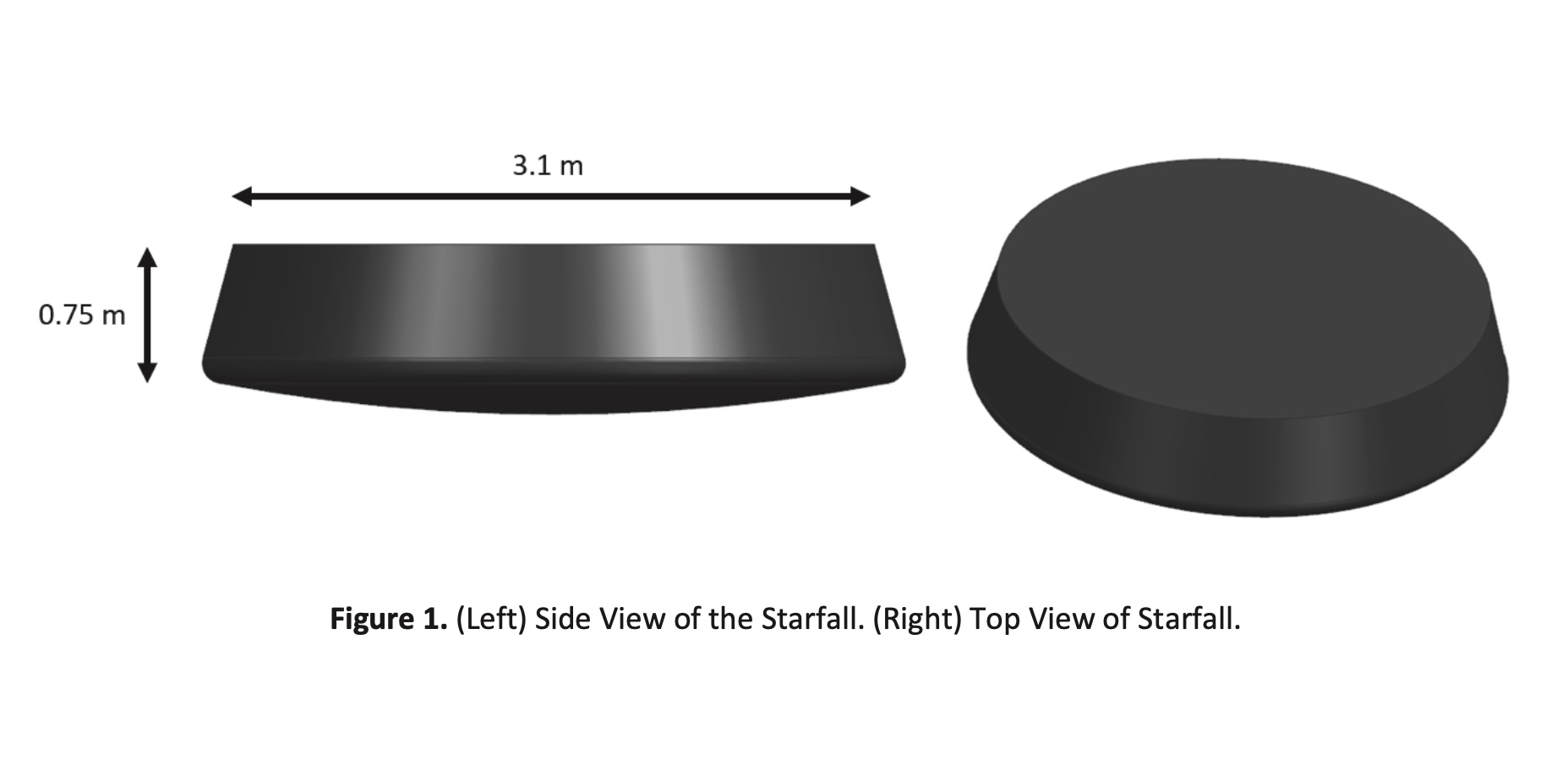
SpaceX launched its Starfall demonstration mission on Tuesday morning, flying a novel reentry capsule aboard a Falcon 9 rocket from Cape Canaveral Space Force Station. The uncrewed vehicle, a saucer-shaped cylindrical capsule approximately 2.5 feet tall and 10.2 feet in diameter, was designed to demonstrate capabilities for rapid global cargo delivery from low-Earth orbit. The mission featured a one-hour launch window beginning at 6:43 EDT, with the Falcon 9 first stage booster B1078—on its 29th flight—targeting a landing on the drone ship A Shortfall of Gravitas in the Atlantic Ocean.
After reaching orbit, the Starfall capsule completed two orbits before being released for reentry. The vehicle, equipped with parachutes for recovery, was targeted for a splashdown approximately 800 miles west of California in the Pacific Ocean. Each Starfall capsule weighs roughly 4,600 pounds and is capable of carrying 2,200 pounds of payload, bringing the total recovered mass to approximately 6,800 pounds. According to the Federal Aviation Administration's environmental assessment, SpaceX developed the vehicle under strict secrecy to support "transport and delivery of goods through space" with the ultimate goal of enabling point-to-point delivery of critical cargo on rapid timelines.
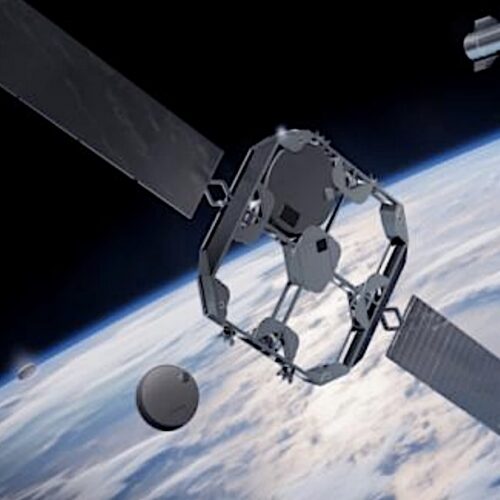
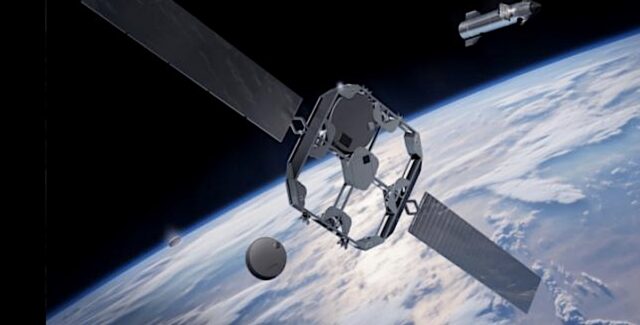
Beyond cargo delivery, the Starfall system addresses a broader commercial objective: supporting an emerging in-space manufacturing market. The FAA assessment indicated that Starfall could serve as a proliferated successor to the International Space Station, offering access to microgravity and vacuum environments, extended orbital loiter capability, and safe return services at scale. Companies such as Varda Space Industries are already active in commercial manufacturing in space, particularly for pharmaceutical products. SpaceX's presentation materials suggest the possibility of mounting up to four Starfall capsules on a specialized satellite bus for in-orbit manufacturing operations.
The demonstration mission is the first of planned Starfall reentries intended to mature the technology for operational deployment. While SpaceX maintained confidentiality about specific payloads and the precise number of capsules aboard this mission, the launch represents a significant step in expanding commercial space infrastructure. The vehicle can be launched on either Falcon 9 or the future Starship-Super Heavy vehicle, aligning with national objectives to accelerate commercial activity in low-Earth orbit. The booster recovery marked SpaceX's 628th successful landing and the 157th landing on the A Shortfall of Gravitas drone ship.
Why This Matters
Starfall represents a critical expansion of commercial space infrastructure, enabling rapid delivery of time-sensitive cargo from orbit and supporting an emerging in-space manufacturing industry worth billions. For businesses in pharmaceuticals, materials science, and semiconductor production, access to microgravity manufacturing coupled with fast delivery to Earth creates unprecedented competitive advantages. This demonstration validates a new economic model for low-Earth orbit—moving beyond research and tourism toward high-value commercial manufacturing and logistics.
Timeline & Sources
Jun 23, 2026
WireFAA environmental assessment for Starfall published
Jun 24, 2026
WireStarfall Demo mission launch window opened at Cape Canaveral
Jun 24, 2026
WireFalcon 9 rocket launched from Space Launch Complex 40
Jun 24, 2026
WireFalcon 9 launch window opens at 6:43 am EDT (10:43 UTC) Tuesday