
Pentagon Report: Iranian Strikes Damaged U.S. Bases Across 8 Middle East Countries
Quick Facts
- Iranian strikes damaged and destroyed hundreds of buildings at U.S. military bases
- U.S. diplomatic facilities in four countries sustained damage
- U.S. and allied forces shot down over 6,000 Iranian drones and 1,500 ballistic missiles
- Dozens of U.S. manned and unmanned aircraft were destroyed or damaged
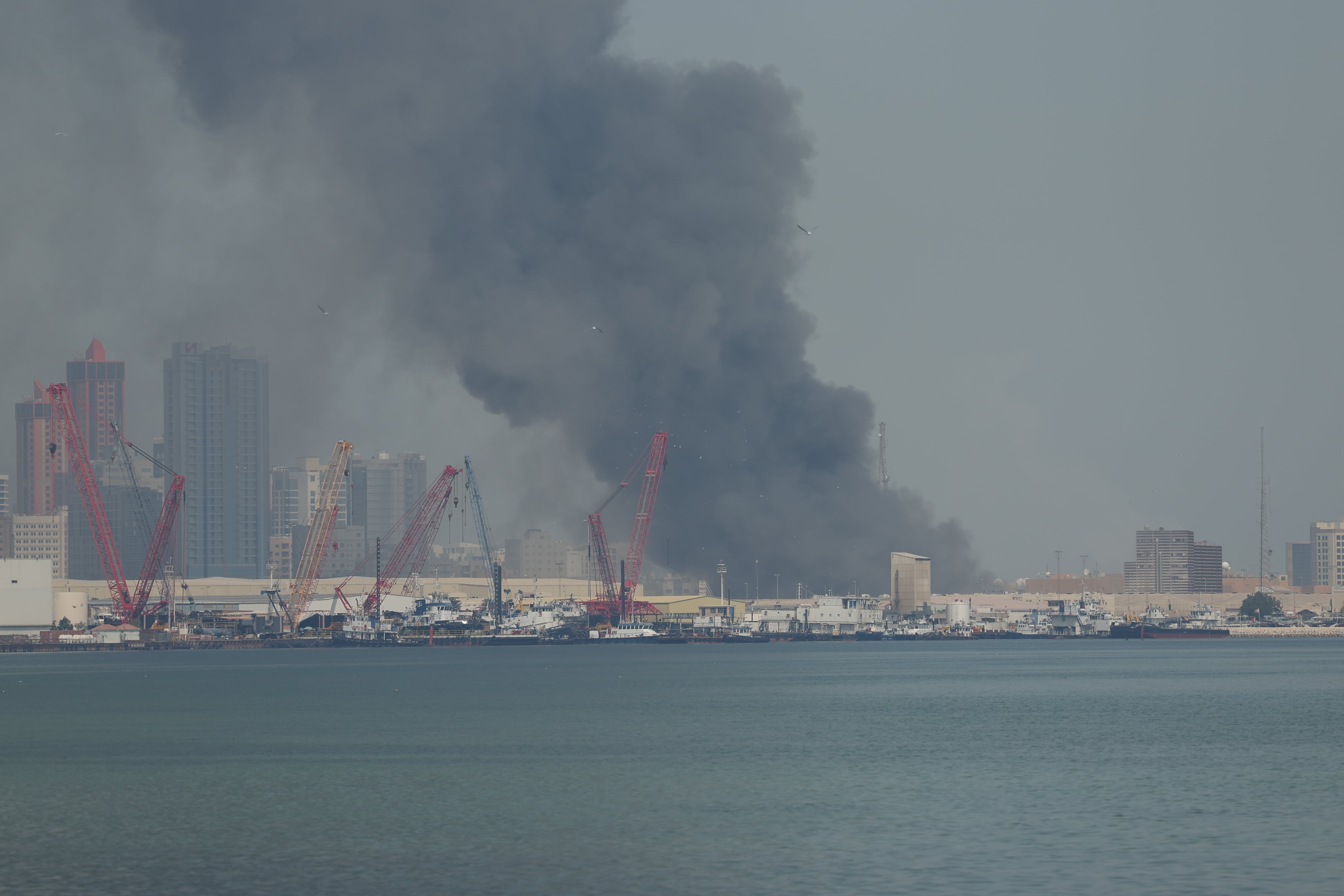
- Pentagon redirected naval logistics from Bahrain to Diego Garcia


Why This Matters
Timeline & Sources
Related Signals
- GeoMarket Impact
UK Inflation Hits 3.1% in August as Fuel Prices Surge
Follow-up 4h ago
- GeoMarket Impact
10-Year Treasury Yield Hits 5.25%, Highest Since 2007
Follow-up 1d ago
- GeoMarket Impact
US 10-Year Treasury Yield Hits 5.04%, Highest Since 2007
Follow-up 19h ago
- GeoRelated Topic
Saudi Air Defense Intercepts Houthi Drone Near Mecca; Group Denies Attack
Follow-up 1h ago
- GeoRelated Company
Trump administration approves $2.8 billion sale of 40,000 bombs to Israel
Follow-up 8h ago
- GeoRelated Topic
Russian frigate fires flares at Danish helicopter; NATO shoots down drone over Lithuania
Follow-up 21h ago
- GeoRelated Topic
NATO Shoots Down Drone Over Lithuania in First Such Interception
Follow-up 1d ago
- GeoCompetition
US Confirms Orbital Weapons Deployment; China and Russia Warn Against Space Arms Race
Follow-up 6h ago
- GeoCompetition
U.S. and China race for AI dominance amid safety debate before Xi-Trump summit
Follow-up 8h ago
- GeoGeographic Impact
Six-story Gaza building collapses, killing at least 21 including eight children
Follow-up 2h ago
Sources
- Ущерб дипмиссиям США от конфликта с Ираном: отчет Пентагона, потери по странамФинансы MailMediaSep 15, 2026
- Iranian strikes damaged hundreds of US military buildings, dozens of aircraftMilitary TimesMediaSep 15, 2026
- Iranian strikes damaged or destroyed hundreds of buildings at US bases across 8 countries, Pentagon watchdog saysBusiness InsiderMediaSep 16, 2026