Emerging
Jun 23, 20262
65%
UK Prime Minister Keir Starmer Resigns; Andy Burnham Emerges as Frontrunner to Succeed Him
British Prime Minister Sir Keir Starmer announced his resignation on June 22, 2026, after sustained pressure following poor local election results. Labour will select a new party leader by July 9, with Andy Burnham, the former Manchester mayor, emerging as the frontrunner despite concerns about his limited policy detail and parliamentary experience.


Quick Facts
Who
Sir Keir Starmer
What
Prime Minister Starmer announced resignation
When
June 22, 2026 (resignation announcement)
Where
Downing Street, London
- Prime Minister Starmer announced resignation
- Labour Party to elect new leader
- Burnham won Makerfield by-election
- Streeting withdrew and backed Burnham
- Strong speculation about Reeves' future role
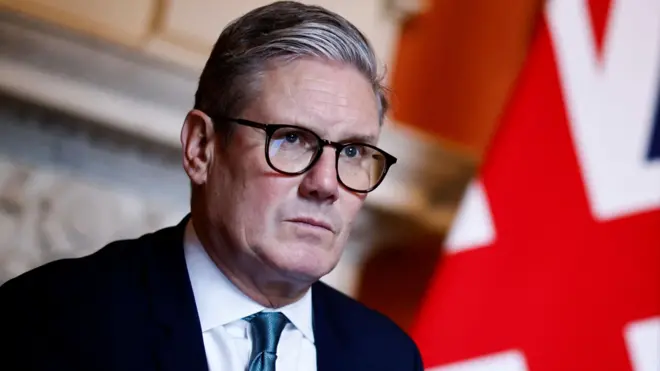
British Prime Minister Sir Keir Starmer announced his resignation on June 22, 2026, citing mounting pressure following poor local election results in May. Starmer, who led Labour to victory less than two years ago in July 2024, will remain in office until a new party leader is chosen. The Labour Party will open nominations for a new leader on July 9, with the selection process to be completed before Parliament returns in September. The new party leader will automatically become the next Prime Minister.
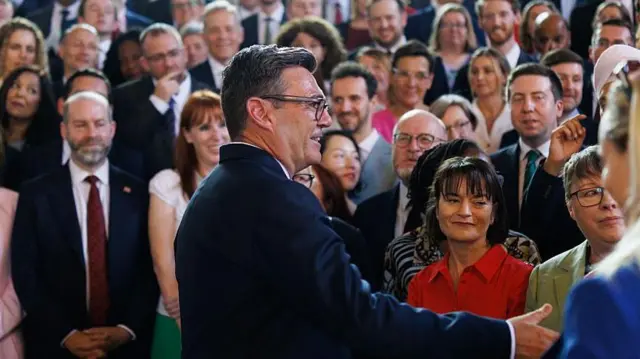
Andy Burnham, the former Manchester mayor, has emerged as the strong frontrunner to replace Starmer. His position was significantly strengthened when Wes Streeting, his main rival within the party, withdrew from the contest and publicly backed him. Burnham's recent victory in the Makerfield by-election and his strong performance in local elections across areas where Reform UK gained ground have bolstered his candidacy. He would become Britain's fifth Prime Minister in four years if elected.
However, Burnham faces considerable scrutiny regarding his leadership credentials and policy direction. Party insiders have expressed concern about the lack of detailed policy blueprints beyond general statements about economic growth, cost of living, public services, housing, and opportunities for the next generation. Some Labour MPs worry about the pace of events, noting that Burnham was only elected to Parliament the previous week and has had limited opportunity to articulate positions on major issues such as foreign policy and defence spending.
The future role of Chancellor Rachel Reeves has become a focal point of speculation. Some argue she should remain in post to maintain market confidence, given her track record of steadying financial markets. However, others believe her close association with the Starmer government makes her continuation unlikely under a Burnham-led administration. There is also speculation that Streeting could take the role, though he has denied receiving such an offer.
Starmer's resignation came amid continued party difficulties, including ministerial resignations, various scandals, and public questions surrounding former US Ambassador Lord Peter Mandelson's personal associations. In his resignation speech, Starmer acknowledged that while he took pride in becoming Prime Minister in July 2024 and leading Labour from what he described as political, financial, and moral bankruptcy to an overwhelming majority, he has "heard" the party's question about whether he is the right person to lead into the next election and has "accepted" that answer.
Responses to Starmer's departure were swift and varied. Finance Minister Rachel Reeves praised his leadership in restoring Labour's fortunes, while opposition parties used the moment to renew their critiques. Conservative Party leader Kemi Badenoch claimed only her party could get Britain "running again," Reform UK leader Nigel Farage called for an election at the earliest possible date, and SNP leader John Swinney said the Labour government had been characterised by "broken promises, poor judgment, and ultimate failure."
Why This Matters
Starmer's resignation marks the fifth British Prime Minister change in four years, signaling deep instability in UK governance and raising immediate questions about continuity in major policy areas including foreign relations, defense spending, and economic management. For readers, this uncertainty directly impacts confidence in UK institutions, potential shifts in Brexit-related policies, and Britain's strategic positioning in geopolitics—particularly relevant given trade, investment, and security partnerships that affect international business and stability.
Timeline & Sources
Jun 21, 2026
WireDonald Trump posts criticism of Starmer on social media
Jun 22, 2026
WireKeir Starmer announces resignation as Prime Minister and Labour leader
Jun 22, 2026
WireStarmer informs King Charles III of resignation decision
Jun 23, 2026
WireBBC political editor analysis of Burnham's position and remaining questions
Jul 9, 2026
WireLabour Party opens nominations for new party leader