
Science
Published Jun 17, 2026Updated Jun 191
59%
NHK Survey Reveals Decline in Television Viewing Among Elderly for First Time Since 1995
NHK's Broadcasting Culture Research Institute survey confirms that Japanese television viewership has declined across all age groups, including elderly viewers aged 60 and over, marking the first such decline in the 30 years since current measurement methods began in 1995. The 2025 data shows nearly 70% of people in their 20s and over 10% of those aged 60+ now rarely watch television.
Quick Facts
- 2025 National Life Time Use Survey released
- Analysis of television viewing habits across age groups
- Comparison with 2020 survey results
- First recorded decline in elderly television viewership since 1995
- NHK Broadcasting Culture Research Institute


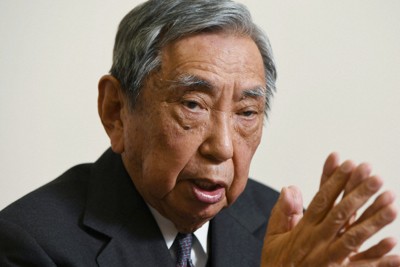


A comprehensive survey released by NHK's Broadcasting Culture Research Institute has confirmed a significant decline in television viewing among Japan's elderly population, marking the first such decline recorded since 1995 when the current survey methodology was established. The 2025 National Life Time Use Survey revealed that nearly 70% of people in their 20s rarely watch television, while more than 10% of those aged 60 and over have also stopped regular viewing. Watching television for at least 15 minutes on a weekday showed a dramatic generational shift: only 27% of those aged 16-19 engaged in this activity, compared to 84% of those in their 60s and 92% of those aged 70 and over.
The survey, conducted in October 2024, collected responses from 3,795 individuals aged 10 and older across Japan, representing a 52.7% response rate from the initial 7,200 targeted participants. Compared to the previous 2020 survey, overall television viewership declined from 79% to 71% of the population. The most dramatic decreases occurred among younger demographics: those aged 10-15 dropped from 56% to 42%, while those aged 16-19 fell from 47% to 27%. Even middle-aged and older viewers showed consistent declines, with people in their 50s declining from 83% to 73% and those in their 60s from 94% to 84%.
NHK President Inoue Tatsuhiko acknowledged the troubling trend during a press conference on June 17, stating that while previous surveys had shown declining viewership primarily among younger audiences, the latest findings revealed this pattern has now extended across all age groups. He emphasized that NHK's response would focus on delivering high-quality content to audiences. The survey, which has been conducted every five years since 1960, provides crucial insights into changing media consumption patterns in Japan as streaming services and digital platforms continue to compete with traditional broadcast television.
Why This Matters
This shift signals a fundamental transformation in Japan's media landscape. Broadcasters and advertisers must urgently adapt their content strategies as traditional television loses ground across all demographics, not just younger audiences. For NHK and commercial networks, this represents both a business challenge and an opportunity to innovate in content delivery and explore streaming integration to maintain audience relevance.
Timeline & Sources
Jan 1, 1960
WireNHK Broadcasting Culture Research Institute begins conducting national life time use surveys
Jan 1, 1995
WireCurrent survey methodology established
Jan 1, 2020
WirePrevious National Life Time Use Survey conducted; 79% watched television