
Oct 24·Geo
Follow-up 2d ago Major6
100%
Saudi Airport Reopens Despite Escalating Houthi Attacks
King Khalid International Airport in Riyadh partially reopened on October 25, 2026, after a two-week closure caused by Houthi attacks that killed at least 13 people and wounded over 300. The reopening occurred as Yemen's Iranian-backed Houthi rebels intensified strikes across southern Saudi Arabia, with the group warning the airport remained an unsafe military target and airlines diverting flights to alternative airports.
Quick Facts
- King Khalid International Airport partially reopened
- Terminal 1 designated for domestic flights
- Terminal 2 designated for international flights by Saudi national carriers
- Houthi ballistic missiles and drones fired at Riyadh and southern Saudi Arabia
- Saudi air defences intercepted missiles and drones


King Khalid International Airport in Riyadh partially resumed operations on October 25, 2026, after closing for two weeks following repeated Houthi attacks. The airport designated Terminal 1 for domestic flights and Terminal 2 for international flights operated by Saudi national carriers. However, the reopening occurred amid intensified strikes by Yemen's Houthi rebels, who continued firing ballistic missiles and drones at the Saudi capital and other areas of southern Saudi Arabia on the same day.
The attacks that prompted the closure killed at least 13 people and wounded over 300, making it the deadliest attack on Saudi Arabia in more than a decade. The facility sustained significant damage, including the destruction of a Saudia Airbus A320 and damage to other aircraft. A Saudi-led military coalition reported intercepting multiple missiles and drones in the early hours of October 25, including a ballistic missile and two drones targeting Riyadh itself, as well as additional cruise missiles fired at the southern city of Khamis Mushait.
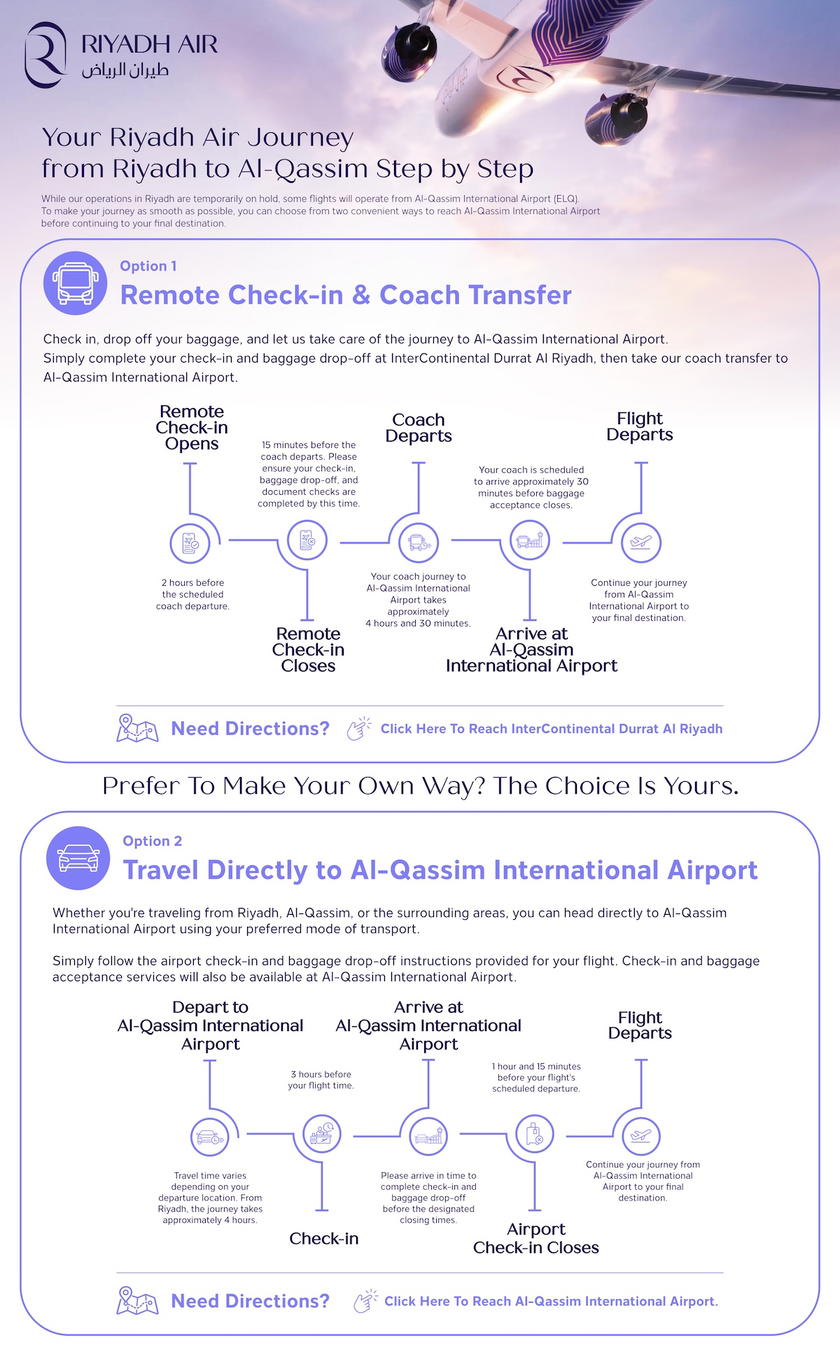
Despite the partial reopening, passenger flights remained limited and some airlines have relocated operations. Riyadh Air, a newly launched carrier, moved its hub to Al Qassim Airport approximately 400 kilometers from Riyadh, requiring passengers to check in at a Riyadh hotel and take a 4.5-hour bus ride to reach their departure airport. Houthi military spokesman Yahya Saree warned that the airport remained "unsafe" and a "military target," cautioning international, regional and local airlines against resuming operations there.
The escalation reflects a breakdown in a years-long truce between the Houthis and Yemen's government-aligned forces. The Iranian-backed rebels have carried out waves of strikes across southern Saudi Arabia, targeting oil infrastructure, military installations, and transportation hubs. The Saudi-led coalition fighting the group reported that at least 10 ballistic missiles were intercepted on October 25 alone, with air defence alerts issued across multiple southern cities including Abha, Taif, Namas and Jazan.
Why This Matters
King Khalid International Airport's partial reopening affects regional air traffic and supply chains serving one of the world's largest economies, but heightened militant threats create operational constraints: limited terminal capacity, airline diversions (including Riyadh Air's relocation 400 km away), and ongoing missile interceptions signal a measurable breakdown in a years-long truce and continued targeting of civilian transportation hubs in southern Saudi Arabia.
Sources
- Mideast News October 25 2026 4779a3deeb1a23f59414164532d5c885apWireOct 25, 2026
- Riyadh Air Moves Flights To Al Qassim Airport, A 4.5-Hour Bus Ride From RiyadhOne Mile at a TimeMediaOct 24, 2026
- Riyadh airport announces partial reopeningxinhuaMediaOct 25, 2026
- 沙特利雅得机场部分恢复运营zaobaoMediaOct 25, 2026
- Xinhua News | Riyadh airport announces partial reopeningxinhuaMediaOct 25, 2026
- Houthis target Saudi Arabia's south as Riyadh airport due to reopenDawnMediaOct 25, 2026