
Yesterday·Emerging
Follow-up 8h ago Major5
100%
MI5 Chief: UK Faces Greater State Threats Than Cold War
MI5 Director Sir Ken McCallum warned that the UK faces greater state threats than during the Cold War, with Russia, Iran, and China posing escalating risks. Russia remains the primary threat, employing hybrid warfare to destabilize Europe while relying on criminal networks after the expulsion of nearly 1,000 spies. McCallum also highlighted emerging dangers from artificial intelligence, including potential bioweapon development and AI-enabled drone attacks.
Quick Facts
- MI5 allocating more resources to counter state threats than during Cold War
- Russia labeled as 'aggressor number one' conducting hybrid warfare
- Nearly 1,000 Russian spies expelled from UK since invasion of Ukraine
- Kremlin relying on criminal networks and proxies for operations
- 50 arrests in past year over Iran-linked activities
Related Insights
MI5 chief warns of threats to UK from Russia, Iran and AI | BBC News BBC News · YouTube
MI5 WARNING: Britain Faces More State Threats Than During the Cold War Professor Tim Wilson · YouTube
MI5 reveals top threats facing the UK - Putin, Iran and AI Channel 4 News · YouTube
MI5 Is Devoting More Resource to Countering State Threats Than During Cold War, Says Chief Mccallum APT · YouTube
MI5 Chief Warns Iran and Russia Are Ramping Up Hybrid Campaigns in UK | APT APT · YouTube
🚨 WORSE THAN THE COLD WAR?! MI5 Chief Reveals Shocking Scale of State Threats Britain Is Facing Reasoned · YouTube
AI 'supercharging' security threats to UK, MI5 warns (UK) 13/Oct/2026 Mark 1333 · YouTube
MI5 Chief Warns UK Faces Growing Threats From Russia, Iran and AI #shorts Daily Stream 360 · YouTube
UK Intelligence Chief Warns of Cold War-Level Threats #Shorts Yesterdays News · YouTube

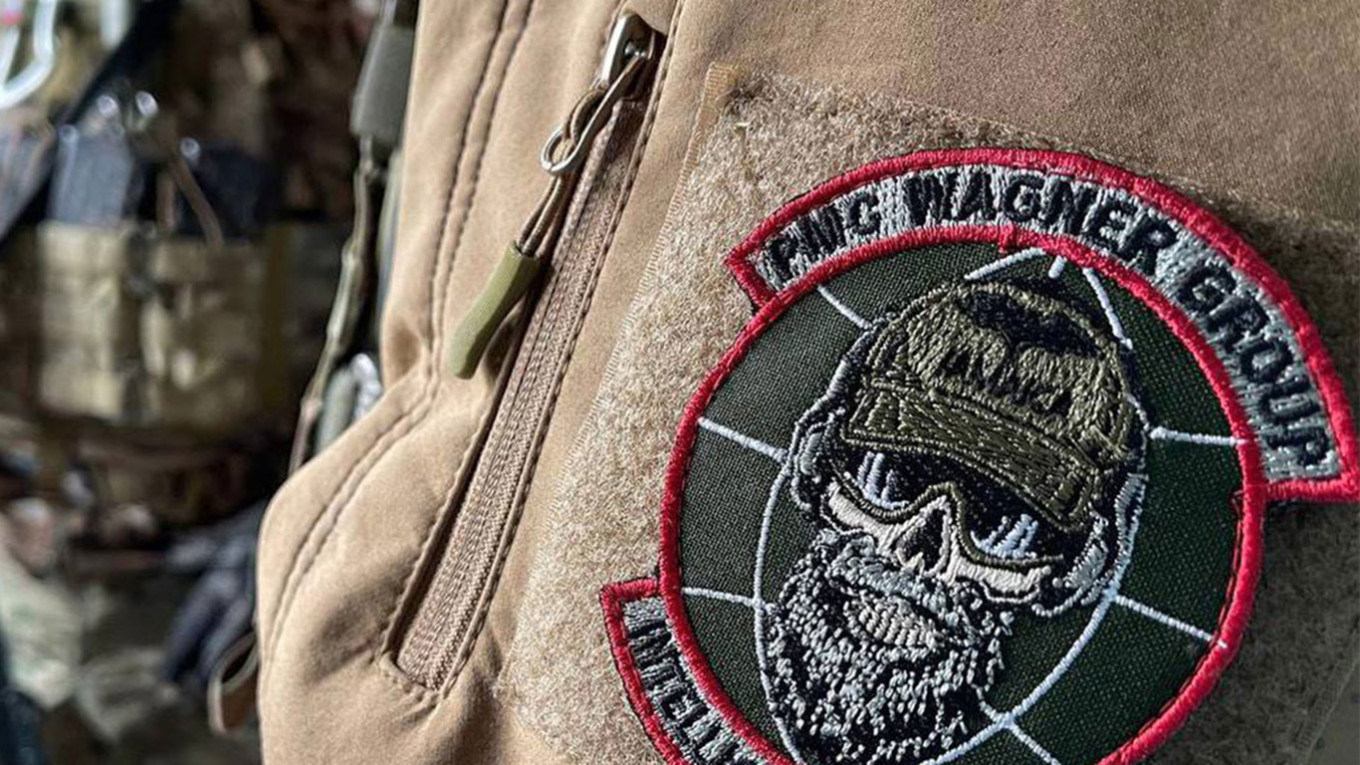

Sir Ken McCallum, head of Britain's domestic intelligence agency MI5, warned that the UK is now allocating more resources to counter state threats than during the Cold War, citing escalating activities from Russia, Iran, and China. Speaking at MI5's headquarters in London on October 13, 2026, McCallum labeled Russia "aggressor number one" and described its strategy as hybrid warfare designed to destabilize European countries while carefully avoiding direct NATO conflict.
McCallum noted that threats from foreign adversaries have quadrupled over the past decade, with MI5's terrorism and state threats operational missions now roughly equal in scale. He emphasized that Russia's strategy relies on destabilization rather than conventional military action, particularly as its full-scale invasion of Ukraine has achieved "minimal and horrifically costly" progress. Following the expulsion of nearly 1,000 Russian spies from the UK since Russia's invasion of Ukraine, the Kremlin has become dependent on paying criminal networks and proxies to carry out operations, McCallum stated.
Iran also poses a significant and expanding threat, McCallum warned, with 50 arrests in the past year linked to Iranian activities. Much of this aggression targets Jewish communities and military sites, he noted, referencing broader hybrid campaigns across Europe. Separately, McCallum highlighted the emerging risks posed by artificial intelligence, including its use in cybersecurity attacks, propaganda generation, and potential bioweapon development. MI5 has identified terrorists attempting to exploit AI for reconnaissance and attack planning, including AI-enabled drone operations, he said. In response, MI5 has established an AI Threat Assessment Centre to evaluate emerging threats.
The intelligence chief also warned of rising threats from extreme right-wing terrorism, noting that the UK's terrorism threat level was raised to severe in April 2026 for the first time in five years, meaning an attack is highly likely. McCallum invoked the National Security Act, a 2023 law targeting people working against UK interests for foreign powers, which has been used to tackle threats from China, Iran, and Russia. He stressed that the UK Intelligence Community—including GCHQ and MI6—is working closely with the AI Security Institute to address emerging AI-related security risks.
Why This Matters
UK intelligence leadership is formally reassessing threat priority allocation, redirecting Cold War-era resource levels toward concurrent state actors (Russia, Iran, China) rather than a single peer adversary. Measurable effects include operational restructuring (terrorism and state-threat missions now equal scale), expulsion and proxy-reliance patterns affecting Russian operational capacity, and new institutional responses (AI Threat Assessment Centre). The terrorism threat level elevated to 'severe' in April 2026 signals domestic security posture changes with potential policy and funding implications for counterterrorism and counterintelligence budgets.
Timeline & Sources
Jan 1, 2016
WireUK Brexit referendum; sources reference alleged Russian interference
Jan 1, 2023
WireNational Security Act passed, designed to target people working against UK interests for foreign powers
Oct 13, 2026
WireMI5 Chief Sir Ken McCallum delivers annual speech warning of escalated state and terrorism threats
Related Signals
Sources
- MI5 Boss Says UK Must Prepare for Hybrid Warfare Tests by RussiabloombergWireOct 13, 2026
- MI5 tackling more state threats than during Cold War, warns intelligence chiefBBCMediaOct 13, 2026
- MI5 tackling more state threats than during Cold War, warns intelligence chiefBBCMediaOct 13, 2026
- «Агрессор номер один». Глава MI5 заявил, что Россия ведет «гибридную войну» в Европе — на фоне минимальных успехов в УкраинеMeduzaMediaOct 14, 2026
- «Агрессор номер один». Великобритания стала тратить на борьбу с угрозами России больше средств, чем в холодную войнуРусская служба The Moscow TimesMediaOct 13, 2026