AI
Jun 18, 20261
79%
US lifts naval blockade as Iran's supreme leader says Trump made deal 'out of desperation'
The United States has lifted its naval blockade of Iran after a remote deal was signed to end the Middle East war. Iran's Supreme Leader Mojtaba Khamenei approved the agreement despite reservations, calling Trump's actions 'desperate.' The 14-point accord includes reopening the Strait of Hormuz, a ban on Iran's nuclear weapons, and a $300 billion reconstruction fund.

Quick Facts
Who
United States
What
Lifted naval blockade of Iran
When
2026-06-18
Where
Iran
- Lifted naval blockade of Iran
- Signed bilateral deal to end Middle East war
- Khamenei approved deal despite having different view
- Trump said to have acted out of desperation
- 14-point agreement reached
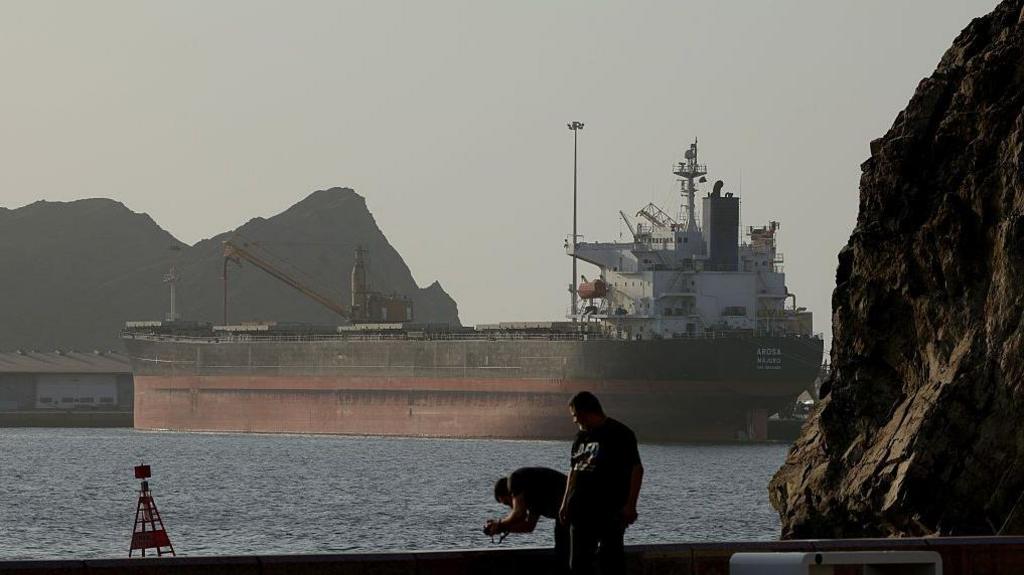
The United States has ended its naval blockade of Iran following the signing of a bilateral agreement to halt hostilities in the Middle East. US Central Command confirmed the lifting of the blockade on social media platform X, stating it was done "in accordance with the President's direction" but that some US naval assets would remain in the region. The development follows a deal reached remotely between Washington and Tehran, with a formal signing ceremony in Switzerland cancelled after both sides agreed electronically.
Iran's Supreme Leader Mojtaba Khamenei publicly addressed the agreement for the first time, stating he had approved it despite holding a "different view." Khamenei, who assumed office in March after the death of his father and predecessor Ayatollah Ali Khamenei in February 28 US-Israeli strikes, said he allowed the deal to proceed following assurances from Iranian President Masoud Pezeshkian that he would "protect the rights of the Iranian nation." The supreme leader claimed that US President Donald Trump "out of desperation, used all kinds of leverage" to secure the accord.
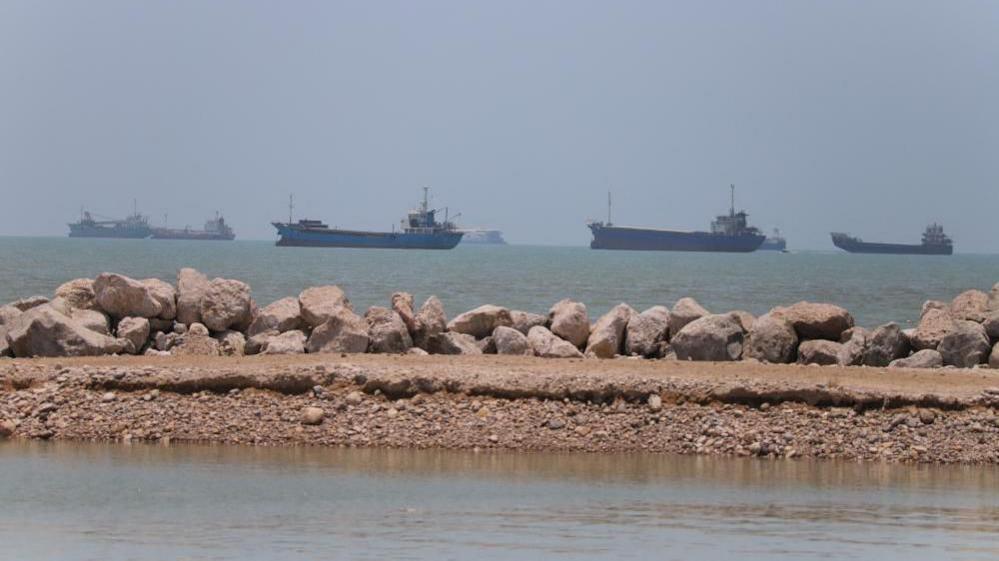
The 14-point agreement includes provisions for the reopening of the Strait of Hormuz, a requirement that Iran never pursue nuclear weapons, and the establishment of a $300 billion fund for Iran's reconstruction and economic development, to which the United States is not obligated to contribute. Both sides are committed to reaching a final deal within a maximum of 60 days, a period that may be extended by mutual consent. Iran must also destroy its enriched uranium stockpile and cease funding proxy groups in the region, according to US Vice President JD Vance.
Vance defended the deal during a White House briefing, emphasising that Iran will not receive sanctions relief or funds unless it meets its obligations under the Memorandum of Understanding. He criticised members of Israeli Prime Minister Benjamin Netanyahu's cabinet who opposed the agreement, telling them to "wake up and smell the reality" and warning against attacking the United States, Israel's "only powerful ally."
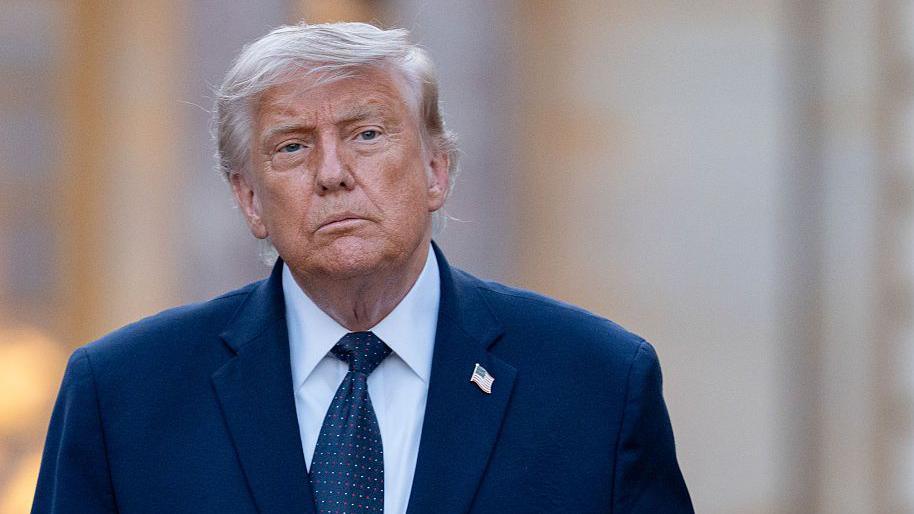
President Trump did not directly respond to Khamenei's remarks but posted on Truth Social that he expects a ceasefire to take effect "on all fronts," including between Israel and Iran-backed Hezbollah in Lebanon, and urged Middle Eastern countries to uphold their commitments to allow negotiations to continue. The deal has drawn criticism from some US Republicans, including Senator Bill Cassidy, who called it "the worst foreign policy blunder in decades," arguing that Iran's nuclear ambitions were not curbed and that the country had learned that threatening the Strait of Hormuz is effective.
Why This Matters
This agreement marks a major shift in US-Iran relations, with immediate implications for global oil prices (Strait of Hormuz reopening), regional security in the Middle East, and the future of nuclear non-proliferation. Readers should monitor whether Iran meets its obligations within the 60-day window, as failure could reignite conflict. The deal also signals US willingness to negotiate remotely, setting a precedent for future diplomatic engagements.
Timeline & Sources
Feb 28, 2026
WireUS-Israeli strikes on Iran kill Ayatollah Ali Khamenei, sparking regional war
Jun 18, 2026
WireUS lifts naval blockade; Khamenei responds to deal publicly; Vance defends agreement