
Yesterday·Emerging
Follow-up 4h ago Major3
98%
Fed Policymakers Unanimously Back September Rate Hike, Most Expect Another by Year-End
Federal Reserve policymakers unanimously supported a September rate hike to 3.75%–4.00% and most expect at least one more increase by year-end to combat persistent inflation. However, recent dovish commentary from Fed officials and mixed economic data have reduced market odds of an immediate rate hike at the next meeting.
Quick Facts
- Federal Reserve unanimously approved 25 basis point rate increase
- Fed raised federal funds rate target range
- Fed released September meeting minutes
- Most policymakers indicated support for another rate hike by year-end
- Policymakers cited persistent inflation as rationale


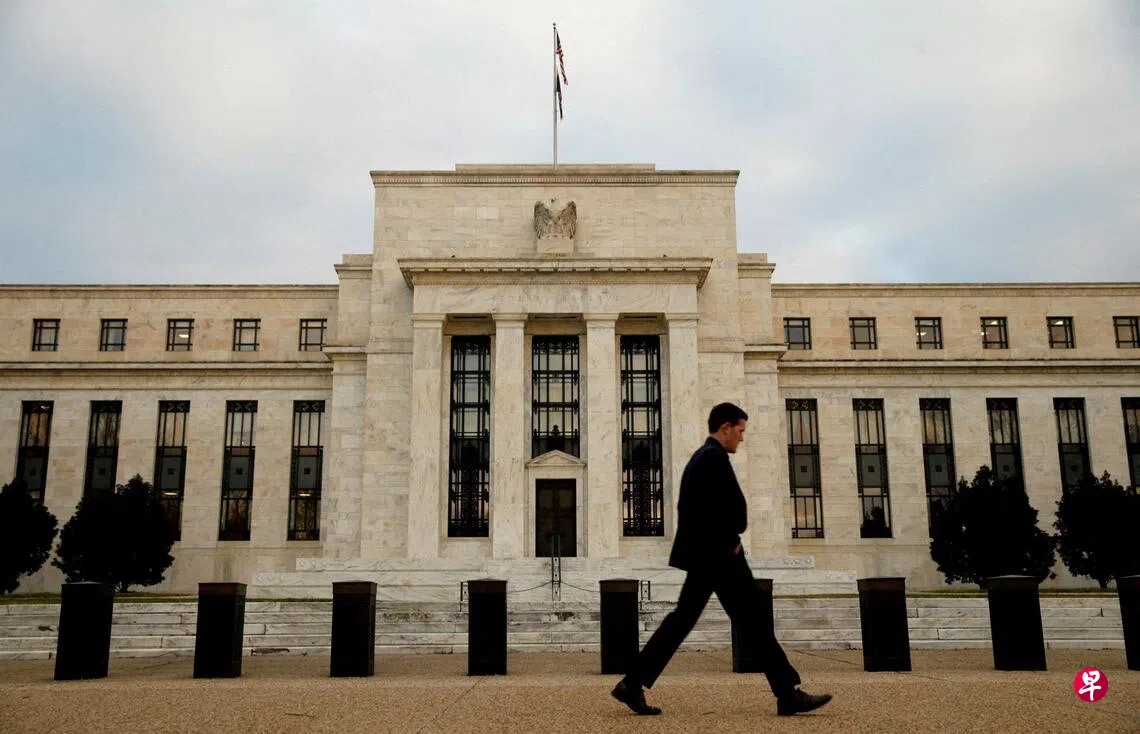
The Federal Reserve's September meeting minutes, released on October 7, 2026, revealed unanimous support among all 19 voting policymakers for a 25 basis point rate increase, bringing the federal funds rate to a range of 3.75%–4.00%. This marked the first rate hike in over three years. According to the minutes, most participants assessed that another increase in the federal funds rate would likely be appropriate before the year ends, though the Fed emphasized that future decisions would depend on incoming economic data and the balance of risks.
Fed Chair Kevin Warsh cited persistent inflation as the primary justification for the hike, stating that "inflation is too high and has been for too long" and that the increase would "support a timelier return" to the Fed's 2 percent inflation target. Some officials noted that stronger economic growth and elevated inflation risks suggested that higher rates may be warranted. The Fed's updated dot plot showed a majority of policymakers anticipating at least one more rate hike this year.
Recent economic data presented a mixed picture. The U.S. personal consumption expenditures price index rose 3.4 percent year-over-year in August, with core PCE at 3 percent—both figures lower than expected and matching July's readings. Second-quarter real GDP growth was revised upward to 2.2 percent from 1.5 percent, indicating solid economic expansion. However, the September nonfarm payrolls report showed only 29,000 jobs added, marking the slowest hiring pace of the year. The minutes noted that participants viewed inflation as remaining elevated while the labor market appeared near full employment, with risks to employment having diminished and now broadly balanced.
The Fed's hawkish stance drew criticism from President Trump, who argued that rate increases risked harming the economy and expressed his preference for lower rates. Trump praised Fed Chair Warsh but criticized other Fed officials. Treasury Secretary Benson offered a different perspective, attributing some inflation to energy price shocks and suggesting that resolution of Middle Eastern conflicts could ease energy supply constraints, potentially allowing interest rates, mortgage rates, and Treasury yields to decline.
Since the September rate hike, market expectations have shifted. The CME FedWatch tool showed the probability of the FOMC holding rates steady at its next meeting rose to approximately 81 percent, up from about 54 percent a month earlier. This shift followed dovish commentary from New York Fed President John Williams, who said there was "no need for urgency" to hike further, and Fed Vice Chair Philip Jefferson, who called for careful examination of additional economic data. Meanwhile, U.S. Treasury yields have surged 28 basis points since mid-September, hitting their highest levels since early 2002, effectively tightening financial conditions for consumers and businesses.
Why This Matters
The Fed's rate hike alters borrowing costs for consumers, businesses, and governments; most policymakers expect at least one more increase by year-end, signaling sustained tightening. Conflicting signals—dovish recent commentary and rising Treasury yields (up 28 bps since mid-September)—create uncertainty for financial markets and real-economy investment decisions. Current market odds show 81% probability the Fed holds steady at the next meeting, a material shift that affects mortgage rates, credit availability, and business capital allocation.
Timeline & Sources
Sep 16, 2026
WireFederal Reserve unanimously approved 25 basis point rate increase; federal funds rate raised to 3.75%–4.00%
Oct 7, 2026
WireFederal Reserve released September meeting minutes showing most policymakers expect another rate hike by year-end
Oct 7, 2026
WirePresident Trump criticized Fed rate hikes; Treasury Secretary Benson discussed energy price factors in inflation
Related Signals
- GeoMarket Impact
U.S. adds just 29,000 jobs in September; unemployment rises to 4.2%
Follow-up 4d ago
- MarketMarket Impact
U.S. stocks rally on weak September jobs data; Nike shares plunge
Follow-up 4d ago
- AIMarket Impact
S&P 500 and Nasdaq hit record highs on AI optimism
Follow-up 1d ago
- AIMarket Impact
S&P 500, Nasdaq hit record highs as oil eases and Treasury yields fall
Follow-up 1d ago