
Yesterday·Emerging
Follow-up 1h ago Major7
100%
Ukraine and Russia's emergency apps hacked within hours, fake nuclear alerts spread
Ukraine and Russia's emergency alert apps were hacked within hours of each other on November 1-2, 2026, spreading false warnings of nuclear, chemical, and radiological attacks. Ukraine's Air Alert app was compromised first, sending nationwide alerts of radiation and chemical threats, followed hours later by a breach of Russia's Emergency Situations Ministry app that warned users of incoming nuclear warheads. Neither government claimed responsibility, and the incidents occurred as a six-day ceasefire in the Kherson region ended.
Quick Facts
- Ukraine's Air Alert app hacked and sent false radiation, chemical, and street fighting warnings
- Russia's Emergency Situations Ministry app hacked and sent false nuclear warhead alerts
- Both apps temporarily disabled for security and restoration
- Fake alerts spread via mobile app notifications and regional emergency channels
- Ukrainian and Russian governments issued clarifications denying the threats
Related Insights
🇷🇺Russia’s Emergency Alert App Hacked — Fake Nuclear Warnings Spread The Chuckle Zone · YouTube
Hackers send fake nuclear alerts through Ukraine's and Russia's warning apps Global Brief · YouTube
Russia and Ukraine Alert Apps Hacked in Cyber Exchange as Truce Ends | Nov 2 The Conflict Wire · YouTube
The Missile Warning App Started Lying. #Shorts NullTrace · YouTube
RUSSIA, UKRAINE SAY ALERT APPS HIT BY CYBERATTACKS Daily Success · YouTube
FAKE NUCLEAR ALERTS panic Ukraine as hackers hijack air-raid app Emma News · YouTube
FBI 认定朝鲜黑客盗走币安 63 亿美元;乌克兰空袭警报应用遭入侵|今日国际新闻 11月2日下午茶|毕观天下 毕观天下 · YouTube
BREAKING: Hackers Hit Ukraine & Russia With Fake Nuclear Attack Alerts Истории Времени · YouTube
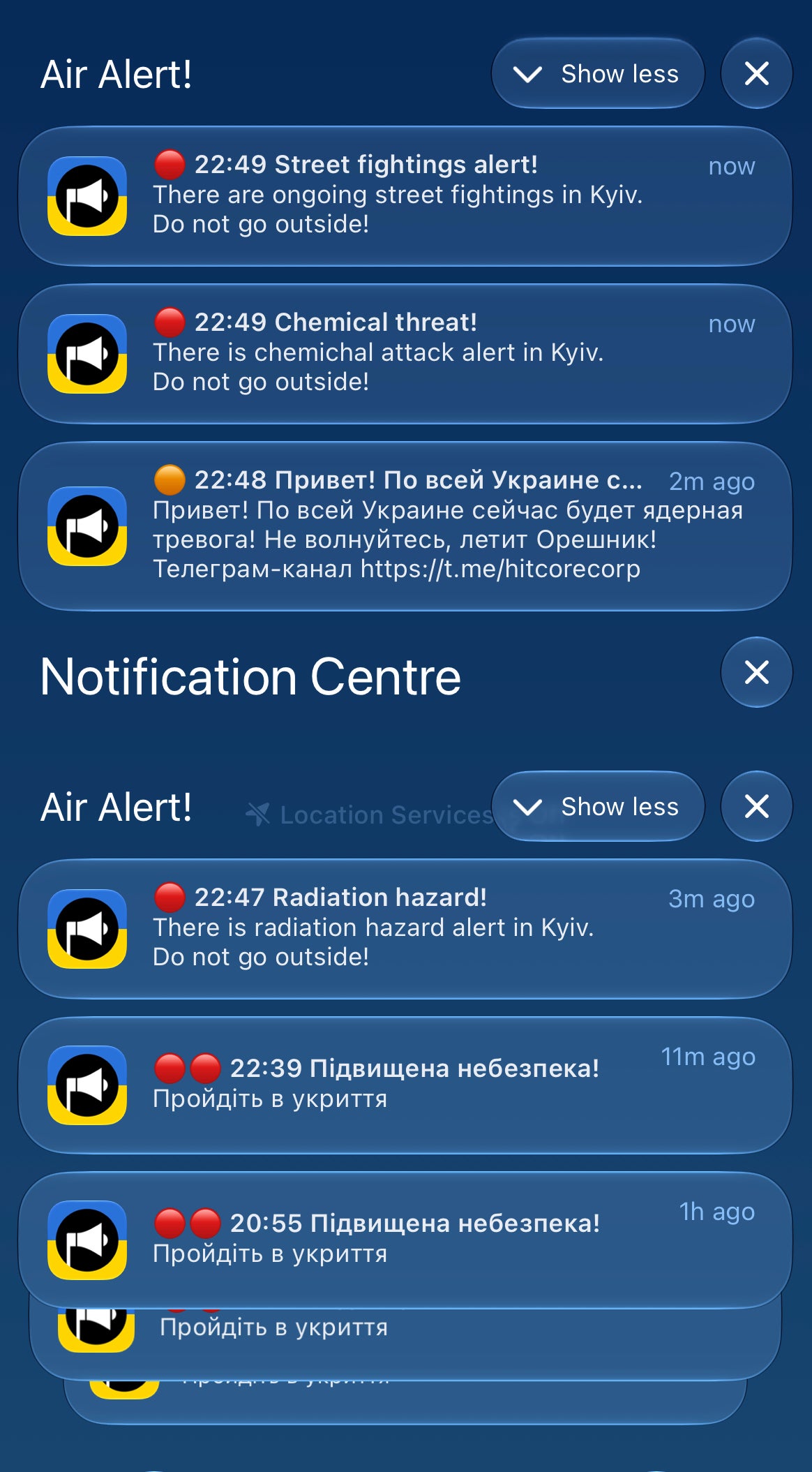
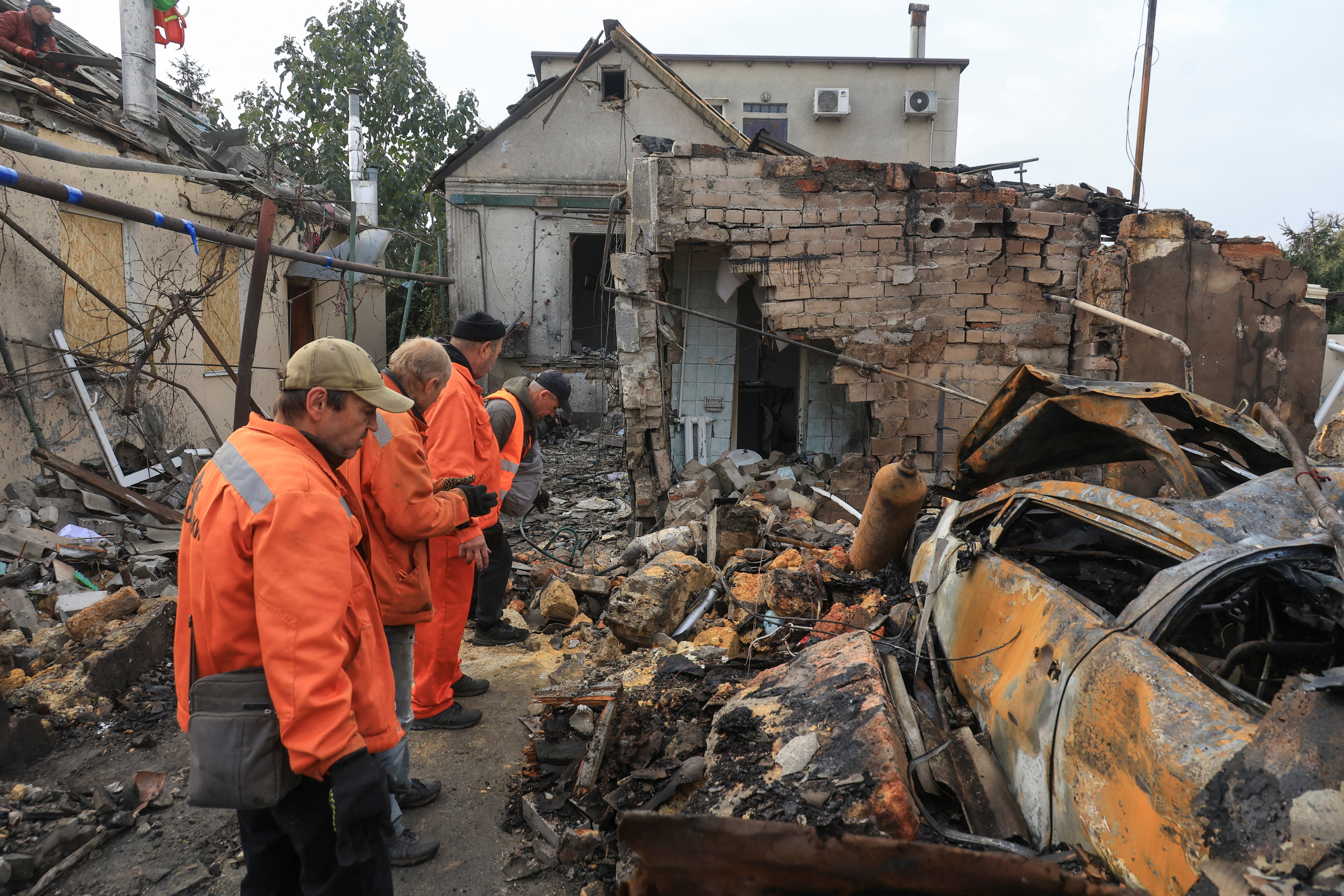


Ukraine's Air Alert app was hacked on the evening of November 1, 2026, sending false warnings to millions of users. The compromised app issued red-level air raid alerts nationwide, with additional notifications warning of radiation hazards, chemical attacks, and street fighting in Kyiv. Some messages were written in Russian, which many users recognized as a sign of inauthenticity. Ukraine's Air Force confirmed the breach on Telegram, stating the app had been "subjected to hostile interference," and the government temporarily disabled the service for maintenance. App developers said unauthorized parties had interfered with operations and that they were working to restore service and implement additional security measures.
Hours later, Russia's Emergency Situations Ministry reported a similar cyberattack on its mobile alert app in the early hours of November 2. Russian users received fake notifications warning of nuclear warheads launched toward multiple regions, with some alerts falsely claiming the weapons were carried by P1-SUN Ukrainian-made FPV interceptor drones. The alerts, which included informal language and profanities, instructed residents to stockpile food for three weeks and seek shelter in basements. The fake alerts appeared not only in the app but also on regional ministry channels and operational headquarters accounts across Russia, including in St. Petersburg, Moscow, Belgorod, and other regions. Russia's emergency ministry emphasized the app was only a supplementary service and stated full functionality would be restored by day's end.
Neither government claimed direct responsibility for the attacks. A pro-Kremlin Russian Telegram channel called Mash reported speaking with a group called Hitcorecorp, which allegedly claimed responsibility for the Ukrainian hack, though NBC News could not verify this claim. A Ukrainian partisan group called Atesh shared screenshots of the Russian fake alerts. Cyber experts told the BBC that informal language in both hoax alerts pointed toward hacktivist groups rather than formal state-directed operations, and suggested the attackers may have deliberately delayed the Russian breach until after compromising Ukraine's system.
The incidents occurred hours after a six-day localized ceasefire in the Kherson region officially ended at 11 p.m. local time on November 1. The temporary pause, which involved the evacuation of hundreds of residents from the occupied town of Oleshky, had been widely reported as brokered with involvement from U.S. first lady Melania Trump and Pope Leo XIV. Russia resumed military operations in the Kherson region shortly after the ceasefire expired.
Many Ukrainians did not panic over the fake alerts, with some sharing memes online mocking the obvious falsity of warnings issued in Russian. Ukrainian security officials urged the public to consult only official channels and avoid clicking suspicious links. In Russia, there was no reported widespread panic, and the incident received limited media coverage. Kremlin spokesman Dmitry Peskov did not address the specific breach but noted that Russian government internet resources face constant cyberattacks, citing the proliferation of artificial intelligence as contributing to increased attack volume.
Why This Matters
Compromises of official emergency alert systems in both countries affected millions of civilians and eroded trust in critical warning infrastructure during active military operations. The incidents demonstrated vulnerability of public safety systems to cyberattacks and created confusion about threat assessment when legitimate warnings may be needed. The breaches occurred as a localized ceasefire ended and military operations resumed, overlapping military and information security domains.
Timeline & Sources
Nov 1, 2026
WireUkraine's Air Alert app hacked; first false radiation threat alert sent to users
Nov 1, 2026
WireSecond fake alert issued in Russian warning of nuclear alert across Ukraine, referencing Oreshnik missile
Nov 2, 2026
WireRussia's Emergency Situations Ministry reports cyberattack on its mobile alert app
Nov 2, 2026
WireRussian drone reportedly hits Kherson hospital after ceasefire ends
Related Signals
- GeoRelated Topic
Iran's Supreme Leader Orders Unrestricted Military Response to U.S.-Israel Threats
Follow-up 17h ago
- GeoRelated Company
Iran, US pursue diplomacy via mediators as both sides prepare for war
Follow-up 16h ago
- GeoRelated Topic
Ukraine Strikes Rocket Fuel Plant in Russia, Damages Four Factories
Follow-up 2d ago
- GeoRelated Topic
Iran Proposes Two-Day Plan to Reopen Hormuz Strait If U.S. Meets Demands
Follow-up 2h ago
Sources
- Ukraine air raid app apparently hacked as users receive false radiation threat, Air Force saysBBCMediaNov 1, 2026
- Russia and Ukraine say emergency alert apps were hit by apparent cyber-attacksBBCMediaNov 2, 2026
- Fake nuclear warnings issued after Ukrainian and Russian air alert apps hackedBBCMediaNov 1, 2026
- Hackers send fake nuclear threat alert to Ukraine emergency appThe GuardianMediaNov 2, 2026
- Fake alerts warn of nuclear danger as Ukraine and Russia report emergency app hacksNBC NewsMediaNov 2, 2026
- Ukraine, Russia Hit by Hacks Sending Fake Nuclear Attack Alertskyivpost.comMediaNov 2, 2026
- Why Russia’s latest cyberattack on Ukraine is a desperate attempt to sow panicThe IndependentMediaNov 2, 2026