
Oct 31·Geo
Follow-up 9h ago Major11
100%
Iran's Supreme Leader Orders 'Geographically Unrestricted' Response to Any US or Israeli Attack
Iran's Supreme Leader Mojtaba Khamenei has ordered military commanders to prepare for an immediate, geographically unrestricted response to any U.S. or Israeli military action, citing updated target databases for both countries' assets. The directive follows U.S. warnings of potential post-election strikes, though diplomatic negotiations continue with proposals to reopen the Strait of Hormuz and regional leaders calling for de-escalation.
Quick Facts
- Iran's Supreme Leader orders immediate, geographically unrestricted military response to threats
- Directive to update comprehensive military target databases for U.S. and Israeli assets
- Military commanders report sevenfold increase in weapons production
- U.S. reports notify Gulf countries of potential post-election strikes against Iran
- Iran's Foreign Minister proposes Strait of Hormuz reopening within two days
Related Insights
Iran's Khamenei Orders IRGC Unrestricted Response Israel Today: Ongoing War Report · YouTube
DOC MARATHON: 6 Films on The Rise of Netanyahu & The Road to War | FRONTLINE FRONTLINE PBS | Official · YouTube
Iran's latest threat could mark 'SIGNIFICANT ESCALATION' Fox News · YouTube
Khamenei: No Limits on Iran Response UTW News · YouTube
Iran issues response directive as regional officials urge diplomacy #Shorts World In 30 · YouTube

Iran's Supreme Leader Mojtaba Khamenei has directed the country's military commanders to prepare for an immediate and geographically unrestricted response to any threat from the United States or Israel, according to statements issued by Iran's official news agency on October 31. Khamenei made the directive during a meeting with senior military officials, including the Chief of Staff of the Armed Forces, the Army Commander, and the Commander-in-Chief of the Islamic Revolutionary Guards Corps. He emphasized that military target databases must be comprehensively updated to ensure "all kinds of physical and non-physical assets" of the U.S. and Israel are within reach of Iran's armed forces. The Iranian military commanders reported increased production of ammunition and weapons systems, with one state media report citing a sevenfold increase in weapons production.
Khamenei's statement comes amid U.S. reports that the Trump administration has notified Gulf countries to prepare for renewed military strikes against Iran following the November 3 midterm elections. The directive represents a significant escalation in rhetoric, with Iranian military officials further warning on November 1 that any new conflict could last longer than previous clashes and would not be determined by U.S. decision-making. An Iranian army spokesperson stated that the geography of a potential conflict would not be confined to the West Asia region, suggesting possible targets beyond the Middle East. The Institute for the Study of War assessed that Khamenei's threats are likely intended as deterrence rather than imminent military action.
Simultaneously, diplomatic efforts continue to de-escalate tensions. Iran's Foreign Minister Abbas Araghchi announced on October 31 that a new proposal has been reached with mediators that would reopen the Strait of Hormuz within two days if the U.S. agrees to lift its blockade of Iranian ports, release frozen Iranian assets, and waive sanctions on Iranian oil sales. Araghchi expressed hope that "rationality" would lead the U.S. to pursue diplomacy and noted that recent American overtures, including a letter from Vice President JD Vance, are viewed positively by Tehran. A Qatari mediation team reportedly held 12-hour talks with Iranian officials and maintained frequent contact with U.S. negotiators.
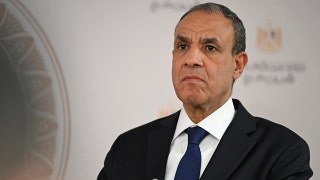
Regional leaders have called for calm amid escalating tensions. At a security forum in Bahrain on October 31, Saudi Arabia's Vice Minister of Foreign Affairs stated that the region seeks a return to peace, while Egypt's Foreign Minister warned that renewed escalation would be "more dangerous, more destructive, and will lead to nowhere." The broader Gulf region remains economically vulnerable to the conflict, with the U.S. Treasury estimating headline inflation in Iran at 90 percent in September following sanctions and a naval blockade of the Strait of Hormuz. The conflict, which began with joint U.S.-Israeli strikes on February 28, has already cost the U.S. approximately $47 billion according to U.S. Central Command estimates.
Why This Matters
Iran's military mobilization directive and updated target databases signal preparation for rapid escalation in the event of new U.S. or Israeli strikes. Simultaneously, the proposed Strait of Hormuz reopening and active mediation efforts indicate negotiated de-escalation pathways. These parallel military and diplomatic tracks directly affect: energy security in the Persian Gulf (through potential blockade of 21% of global oil transit); U.S. and regional military posture after November elections; and Iranian economic conditions (inflation at 90% as of September). The conflict's cost—estimated at $47 billion to the U.S. alone—and prior strikes' casualties (February 28 military operations) establish measurable historical stakes for both escalation and diplomacy outcomes.
Timeline & Sources
Feb 28, 2026
WireJoint U.S.-Israeli military strikes launched against Iran, killing Khamenei's father and other high-ranking officials
Jul 8, 2026
WireU.S. resumes large-scale strikes against Iran, citing violation of Strait of Hormuz terms
Nov 3, 2026
WireU.S. midterm elections (expected date for renewed military strikes according to reports)
Nov 3, 2026
WireU.S. midterm elections scheduled
Related Signals
- GeoResponse
Iran demands sanctions relief, US force reduction in Hormuz talks
Follow-up 9h ago
- GeoResponse
Saudi, Pakistani, Turkish officials meet Iran to discuss regional tensions
Follow-up 4d ago
- GeoMarket Impact
China to send envoys to Middle East to promote dialogue and ease tensions
Follow-up 3d ago
- GeoRelated Company
Saudi coalition intercepts Houthi drone over Mecca; group denies attack
Follow-up 2d ago
- GeoGeographic Impact
Ukraine Strikes Rocket Fuel Plant in Russia, Damages Four Factories
Follow-up 1d ago
Sources
- Iranian leader threatens response to potential attack as fears of war mount, and other Mideast newsAP NewsWireOct 31, 2026
- Urgent: Iran's supreme leader urges "immediate, effective" response to any "enemy" threatxinhuaMediaOct 31, 2026
- Flash: Iran's supreme leader orders immediate, impactful and "geographically unrestricted" response to any enemy threat: mediaxinhuaMediaOct 31, 2026
- Iran's IRGC says it is 'closely monitoring America's movements in the region'Fox NewsMediaOct 31, 2026
- Iran to respond to any threat regardless of geographical restrictions — supreme leadertassMediaOct 31, 2026
- Iran's supreme leader orders "immediate, effective" response to any "enemy" threatxinhuaMediaOct 31, 2026
- 伊朗最高领袖:对潜在美以袭击予以即时且不受地理限制的回应zaobaoMediaOct 31, 2026
- Mideast leaders call for calm as fears mount of a renewed war in the region, and other Mideast newsYahooMediaOct 31, 2026
- Iran’s Supreme Leader threatens US with response if strikes are launched after midtermsThe HillMediaOct 31, 2026
- 伊朗军方:若与美国再战 持续时间恐比上次冲突更长zaobaoMediaNov 1, 2026
- Iran warns of 'geographically unrestricted response' if US attacksEuronews.comMediaNov 1, 2026