
AI
Published Aug 6, 2026Updated Aug 9 Major8
100%
AI Designs 16 Novel Viruses to Fight Antibiotic-Resistant Bacteria
Stanford University and Arc Institute researchers used AI trained on trillions of nucleotides to design 16 novel viruses capable of overcoming bacterial resistance in E. coli. While the breakthrough offers potential treatments for drug-resistant infections, experts have raised urgent biosecurity concerns about the dual-use potential of synthetic biology technology.
Quick Facts
- AI models designed complete viral genomes never seen in nature
- 16 viable bacteriophages created and synthesized in laboratory
- Phages successfully infected and replicated in E. coli bacteria
- AI-designed phages overcame bacterial resistance to natural phages
- Research published in journal Science
Related Insights
"더 치명적인 독감 만들어줘" 말하면 끝?..AI가 신종 바이러스도 만들었다 (자막뉴스) / SBS SBS 뉴스 · YouTube
AI第一次「創造病毒」?科學家震撼:人工智慧開始設計生命了!#人工智慧 #AI病毒 #生命科技 #科技 #youtubeshorts #科普 超越認知 · YouTube
Stanford scientists used AI to design brand-new virus genomes, and 16 already kill E. coli in lab SHORT INFO · YouTube
AI Designs New Viruses | #AI #Science #Stanford #USA #Biotech #News #Shorts UkPulseBrit · YouTube



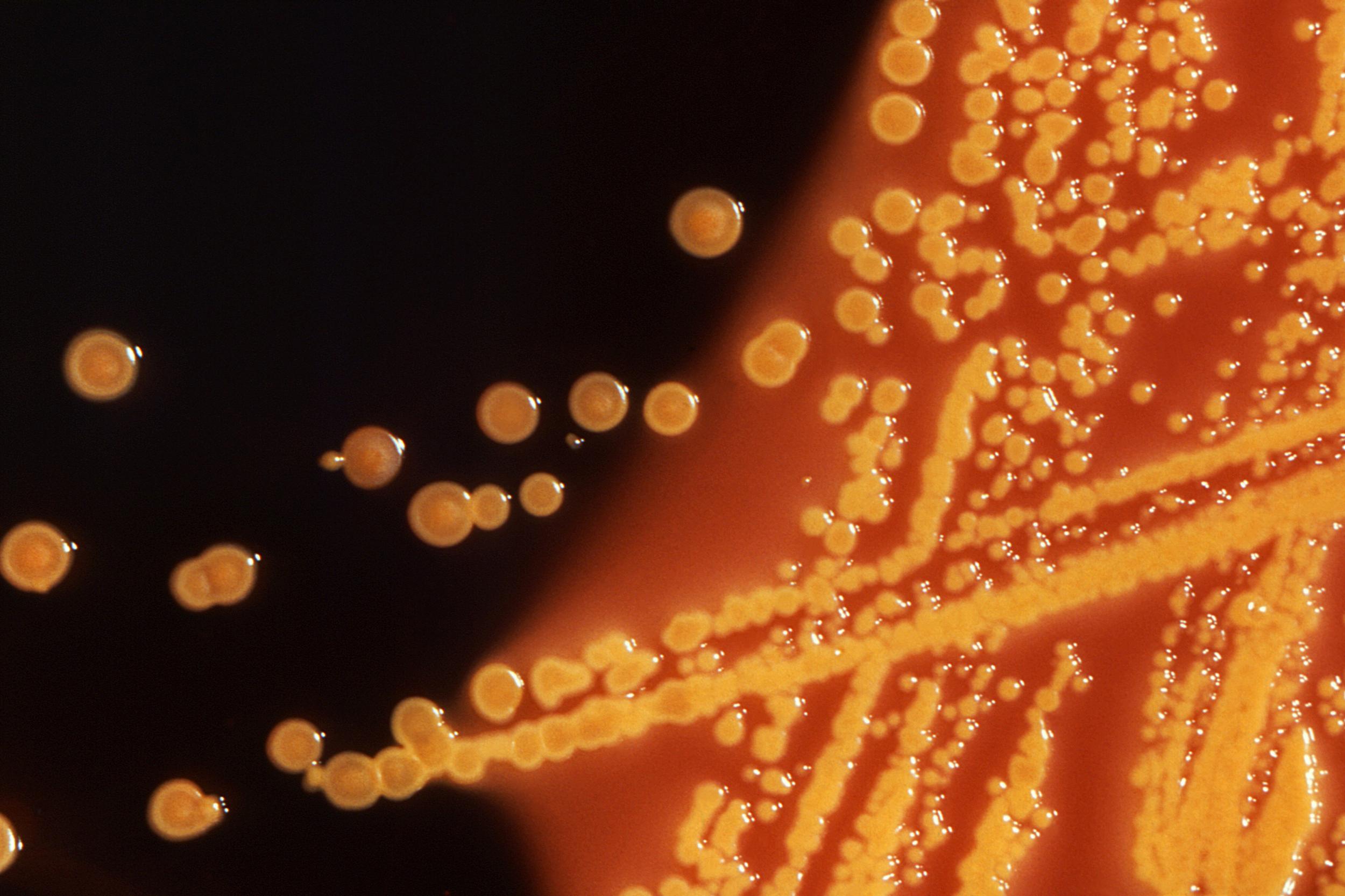

Researchers at Stanford University and the Arc Institute have successfully used artificial intelligence to design complete, functioning viral genomes that have never existed in nature. The AI models, trained on trillions of nucleotides from millions of organisms, generated 700,000 potential viral designs. Scientists synthesized nearly 300 of the most promising candidates in the laboratory, resulting in 16 viable bacteriophages—viruses that infect bacteria—capable of killing E. coli bacteria.
The breakthrough demonstrates that generative AI can design entire biological systems from scratch, not merely modify existing ones. The AI-designed phages proved particularly effective at overcoming bacterial resistance: when E. coli evolved resistance to natural bacteriophages, a mixture of the AI-designed viruses rapidly overcame that resistance, while natural phage mixtures could not. This capability offers potential new treatments for drug-resistant bacterial infections, including tuberculosis and MRSA, and represents the first successful design of a complete functional genome by AI.
However, the achievement has triggered urgent biosecurity concerns among experts. Thomas Inglesby and Moritz Hanke of Johns Hopkins University's Center for Health Security warned in a commentary in the journal Science that the technology raises critical questions about preventing misuse to create novel pathogens. They emphasized that new viruses with potential to cause disease "should not be pursued" and stressed the need for governance frameworks to manage risks from rapidly advancing synthetic biology capabilities.
The Stanford team implemented multiple safety measures: they excluded viruses capable of infecting complex organisms from their training database, conducted research exclusively on bacteriophages rather than human pathogens, and performed all work in secure laboratories. Researchers argue that existing safeguards support responsible use, though some experts contend that current threats from known pathogens may exceed risks from AI-designed viruses. The broader scientific community views the research as a significant turning point in computer-aided biological design, with implications far beyond phage development.
Why This Matters
The research demonstrates AI can now design complete, functional viral genomes never found in nature, synthesized and tested in laboratory conditions. This capability may enable treatment of antibiotic-resistant infections affecting millions globally—including tuberculosis and MRSA—but creates measurable biosecurity risks: AI-designed pathogens could be misused to create novel disease agents. Regulatory and governance frameworks for synthetic biology remain under development, leaving institutional safeguards as the primary control mechanism during this period of rapid technical advancement.
Timeline & Sources
Aug 6, 2026
WireStanford University and Arc Institute announce results in Science journal; research team publishes findings
Aug 6, 2026
WireResearch published in journal Science; BBC reports breakthrough
Aug 7, 2026
WireAdditional coverage by The Independent and BBC Chinese
Related Signals
Sources
- 人工智能被用於設計全新病毒bbc_zhongwenMediaAug 7, 2026
- AI使い全く新しいウイルスの設計に成功 米大学が発表BBCMediaAug 7, 2026
- Artificial Intelligence used to design new virusesbbc.co.ukMediaAug 6, 2026
- Stanford team uses AI to design custom viruses that destroy resistant E. coliThe IndependentMediaAug 7, 2026
- 生成AIが「新ウイルス」設計 細菌内で増殖確認、米大学が研究(共同通信)Yahoo!ニュースMediaAug 7, 2026
- AI使い自然界にないウイルスを作製 米スタンフォード大学が成果発表日本経済新聞MediaAug 6, 2026
- AI used to create synthetic virusThe HillMediaAug 7, 2026
- AI creates 16 new viruses that never existed in nature after learning DNA pattern from 9 trillion nucleotides experts warn such applications are way ahead of necessary guardrailstomshardware.comMediaAug 8, 2026