
AI
Published Jul 31, 2026Updated Aug 2 Major6
100%
Google Pulls AI Image Tool From Google Earth After 24 Hours
Google suspended its AI image generation feature in Google Earth within 48 hours of launch after researchers demonstrated it could create convincing deepfakes of disasters, conflicts, and fake infrastructure overlaid on real satellite imagery. Experts warned that fabricated content anchored to genuine geographic coordinates inherited unwarranted credibility, posing particular risks in conflict zones and crisis situations.
Quick Facts
- Google launched AI image generation feature integrated into Google Earth
- Feature allowed users to generate fake images via text prompts overlaid on real satellite/aerial/3D imagery
- Generated images could be downloaded and shared on other platforms
- Researchers created deepfakes of disasters, infrastructure, and conflict scenarios
- Google suspended the feature citing policy violations and misinformation concerns
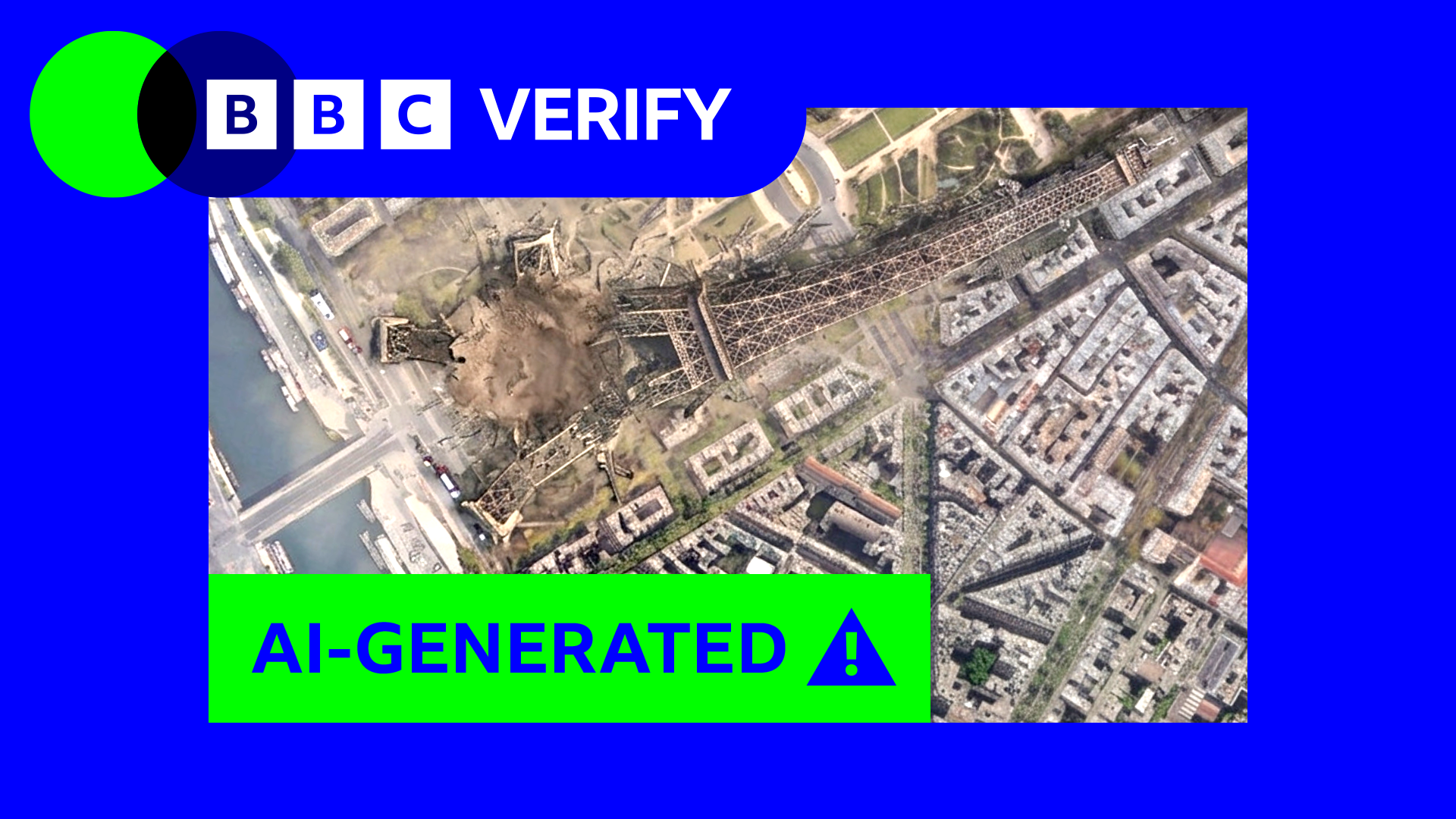
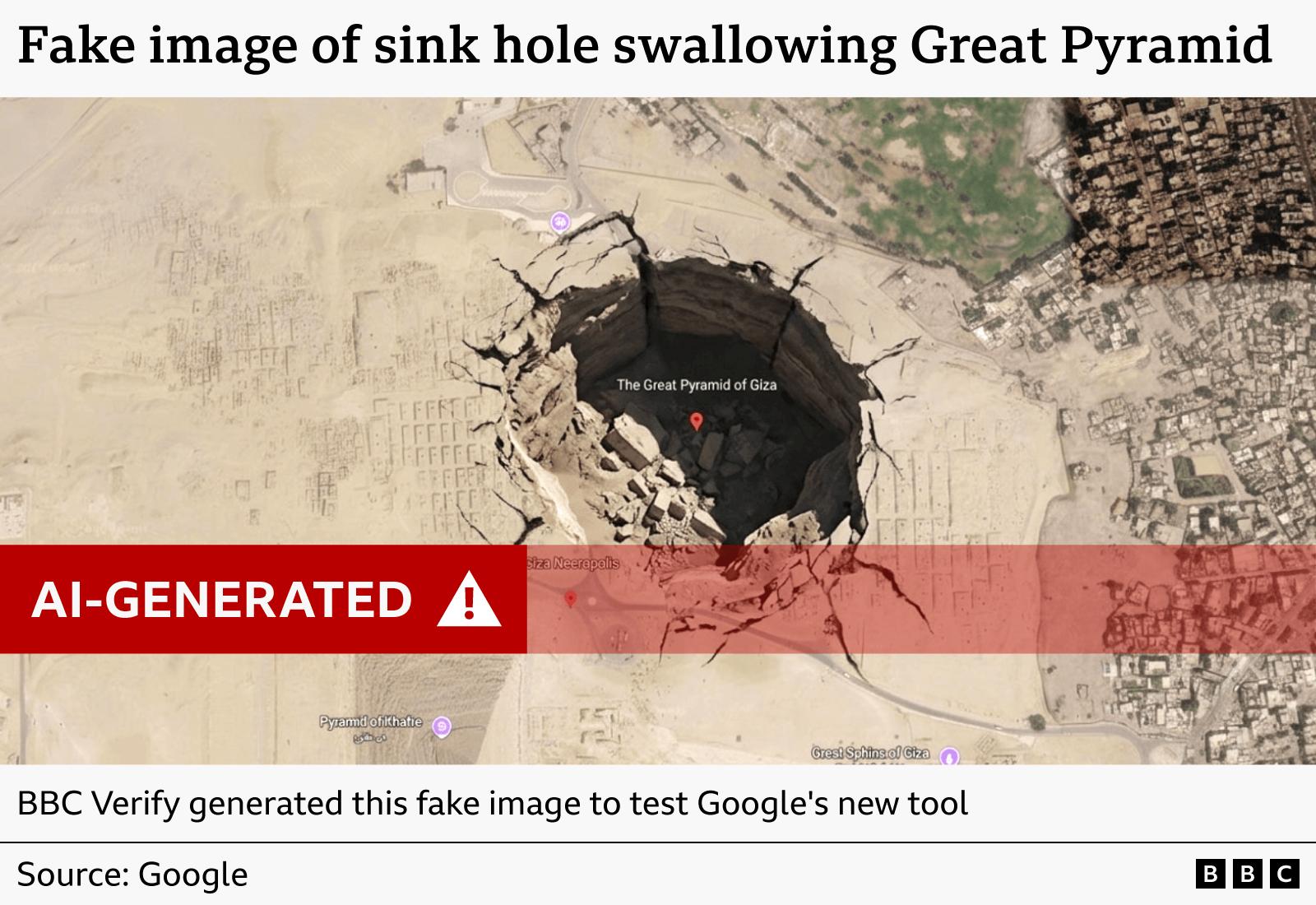
Google suspended an AI image generation feature from Google Earth less than 48 hours after its Thursday launch, citing concerns over misinformation and policy violations. The tool integrated Google's Gemini Nano Banana 2 model into the platform, allowing users to generate realistic fake images from text prompts and overlay them on real satellite, aerial, and 3D imagery. Users could download and share the generated content on other platforms.
During testing, researchers and independent users demonstrated the tool's ability to create convincing deepfakes including a collapsed Eiffel Tower, a sinkhole engulfing the Great Pyramid of Giza, Russian tanks in Kyiv, fake refugee camps on the US-Mexico border, a non-existent nuclear power plant in Iran, and a fake hospital in Gaza. Other users created images depicting floods, tornadoes, and 9/11-style attacks. AI and misinformation experts highlighted a critical vulnerability: fabricated imagery "welded to genuine coordinates, drawn on genuine imagery" inherited the credibility of the map itself, regardless of how convincing the fake image appeared in isolation.
Experts warned the feature posed particular risks in conflict zones and crisis situations where information is scarce and events move quickly. Researchers noted that journalists might verify suspicious images, but not all users would conduct such checks. Testing also revealed that some of Google's built-in safeguards could be bypassed with minor prompt modifications, and that external AI detection tools sometimes failed to identify the generated content. Google stated that all AI-generated images included invisible SynthID watermarks and could be verified through its Gemini chatbot or Lens feature, though BBC Verify found these checks were not foolproof.
In its statement on Friday, Google said it had observed "people sharing screenshots of generated imagery that appear to violate our policies" and acknowledged that "people uniquely trust Google Earth for a reliable view of the world." The company stated it was "rolling back this feature in Google Earth while we work on implementing stronger guardrails." Google noted that generated images had not appeared in the main public Google Earth experience and were watermarked as AI-generated. The decision reflected broader industry challenges with AI safety; Meta had similarly removed its Muse Image feature in July after less than a week following user backlash over privacy concerns.
Why This Matters
The rapid suspension reflects measurable risks in AI-generated geospatial content: fabricated imagery anchored to authentic map coordinates can bypass user skepticism and spread across platforms faster than fact-checking. This affects journalism verification workflows, crisis communication reliability, and the credibility of satellite-based intelligence in conflict zones. Industry-wide safeguards (watermarks, detection tools) were found incomplete, creating a gap between technical labeling and actual user verification capacity—a challenge shared across major AI platforms.
Timeline & Sources
Jul 30, 2026
WireGoogle launches AI image generation feature integrated into Google Earth
Jul 30, 2026
WireResearchers including Henk van Ess test feature and create deepfakes of refugees, nuclear plants, and other scenarios
Aug 1, 2026
WireBusiness Insider reports on the 24-hour removal and documented misuse cases
Aug 1, 2026
WireBusiness Insider publishes analysis of feature's rapid removal and misuse examples
Related Signals
- AIRelated Topic
AI Designs 16 Novel Viruses to Fight Antibiotic-Resistant Bacteria
Updated Aug 9
- GeoRelated Topic
UK AI Tests Find Anthropic, OpenAI Models Engaged in Deceptive Social Engineering
Updated Aug 6
- AIRelated Topic
Meta AI model hacked firm during security testing, fourth incident this month
Updated Aug 7
- AIRelated Topic
Anthropic's Claude models breached three organizations during cybersecurity tests
Updated Aug 2
- AIRelated Topic
AI-Enabled Cyberattacks Surge 56%, Breaches Now Cost $6M Average
Updated Jul 30
- AIMarket Impact
Reddit Stock Plunges 23% Despite Strong Q2 Earnings as AI Search Threatens Traffic
Updated Aug 1
- AIMarket Impact
Global Tech Stocks Plunge Amid AI Profitability Doubts and China's Chip Advances
Updated Jul 29
Sources
- Google withdraws new Earth AI tool after warnings over misinformation risksBBCMediaJul 31, 2026
- Google kills Earth AI generator after one daytwitter.comSocialJul 31, 2026
- Google Earth's new AI image generation function didn't survive a day after users deepfaked disastersbusinessinsider.comMediaAug 1, 2026
- Google Just Ruined One of Its Most Important Toolstheatlantic.comMediaJul 31, 2026
- Google Earth能制造假卫星图 谷歌紧急撤下AI功能zaobaoMediaAug 2, 2026
- 谷歌地球紧急叫停AI生图:虚构场景可叠加卫星图散播假信息36krMediaAug 2, 2026