
Yesterday·Geo
Follow-up 2h ago2
88%
Piddington votes symbolically to leave UK over asylum accommodation plans
Residents of Piddington, Oxfordshire, held a symbolic referendum on leaving the UK to protest government plans to house up to 1,256 asylum seekers at a nearby Ministry of Defence site. The non-binding vote saw 285 vote to leave and 26 to remain, reflecting strong local opposition, though the vote has no legal authority.
Quick Facts
- Non-binding referendum held on UK membership
- Government announced plans to house asylum seekers at MoD Bicester
- Public consultation on asylum accommodation plans
- Open letter sent by female residents to women MPs
- Piddington residents


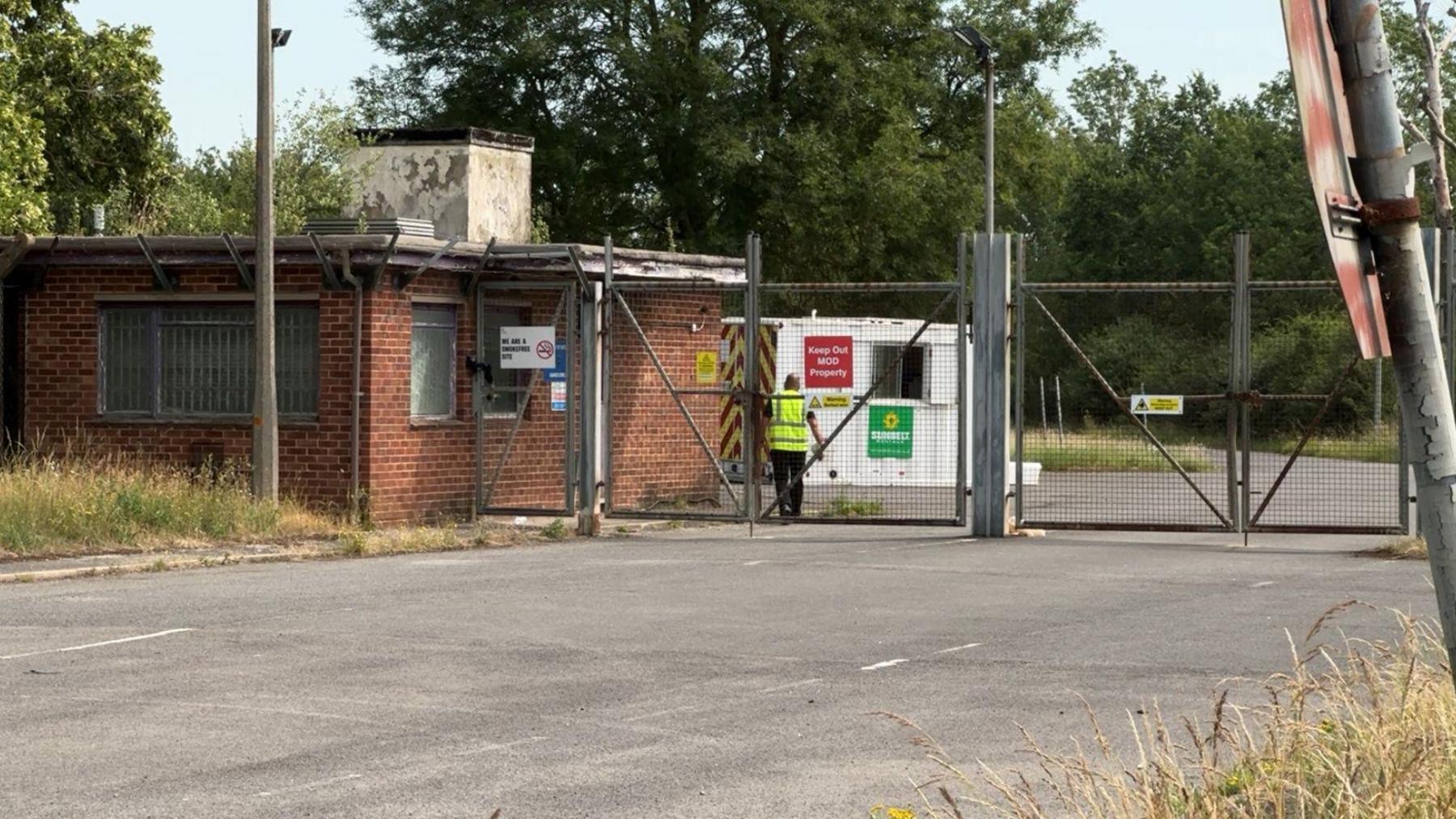

Residents of Piddington, a village of approximately 400 people near Bicester in Oxfordshire, held a symbolic referendum on whether the village should remain part of the UK. The non-binding vote, organized by the local parish council, took place on Tuesday, 16 September 2026. Results showed 285 votes to leave the UK, 26 to remain, and one spoilt ballot paper. The referendum has no legal authority, as there is no mechanism under UK law for a village to declare independence.
The vote was triggered by government plans announced in June to convert the nearby Ministry of Defence site at Bicester into accommodation for up to 1,256 male asylum seekers. The Home Office framed the proposal as part of efforts to close asylum hotels and reduce taxpayer costs, stating it has saved over £1 billion on asylum support since the election. A public consultation on the plans ran until 17 September. The site, known as "Site A", is located between Piddington and the villages of Upper and Lower Arncott. Similar proposals for the same location were abandoned by the Labour government in 2005.
Local opposition has been vocal. Parish Council Chair Tim McNally cited concerns about security. A group of 133 women residents issued an open letter to women MPs, stating they faced a "crisis" and that their "safety, security and freedoms will be under threat." Residents including Gloria Brown, 69, expressed concerns about community wellbeing and quality of life. Opposition also came from the district council and human rights groups. Liberal Democrat MP Calum Miller previously criticized the process for being "veiled in secrecy" and lacking public participation beyond statutory bodies, though he later welcomed publication of an Urgent Crown Development application as a "clear win for local democracy."
The Home Office responded that the government is "working to fairly house asylum seekers across the country" and emphasized the closure of asylum hotels as part of its immigration reform strategy. Officials stated that "concerns of communities" were central to the reform approach. The referendum, while symbolic and non-binding, represents an expression of local sentiment on a contentious national policy issue.
Why This Matters
The referendum reflects intensifying local opposition to the UK government's asylum accommodation strategy, specifically plans to convert a Defence Ministry site near Bicester into housing for up to 1,256 male asylum seekers—part of the government's stated effort to close asylum hotels and reduce costs. While the vote is non-binding and has no legal authority under UK law, it signals community resistance to central government policy implementation at the local level and indicates the political friction between statutory housing decisions and grassroots sentiment on immigration-related infrastructure.
Timeline & Sources
Jan 1, 2005
WireLabour government abandoned similar asylum accommodation plans for MoD Bicester site
Sep 15, 2026
WireOpposition politicians and local figures met with residents at village green
Sep 16, 2026
WireSymbolic referendum held in Piddington; results: 285 to leave, 26 to remain, 1 spoilt ballot