
Today·Emerging
Follow-up 1h ago6
91%
Italy proposes 30% cap on foreign students; local officials say it's unworkable
Italy's government has announced plans to legally cap foreign-national students at 30% per classroom, but local officials and educators in high-immigration cities argue the measure is unworkable and counterproductive without additional integration resources. Data show the cap would affect less than 1% of Italian classrooms.
Quick Facts
- Government announced plan to impose 30% cap on foreign-national students per classroom
- Mayor of Prato wrote to PM stating cap is inapplicable in his city
- School officials criticized measure as impractical and ineffective
- Meloni announced measure at Fenix youth event
- Analysis found only 0.33% of Italian classrooms exceed 20% foreign-national enrollment
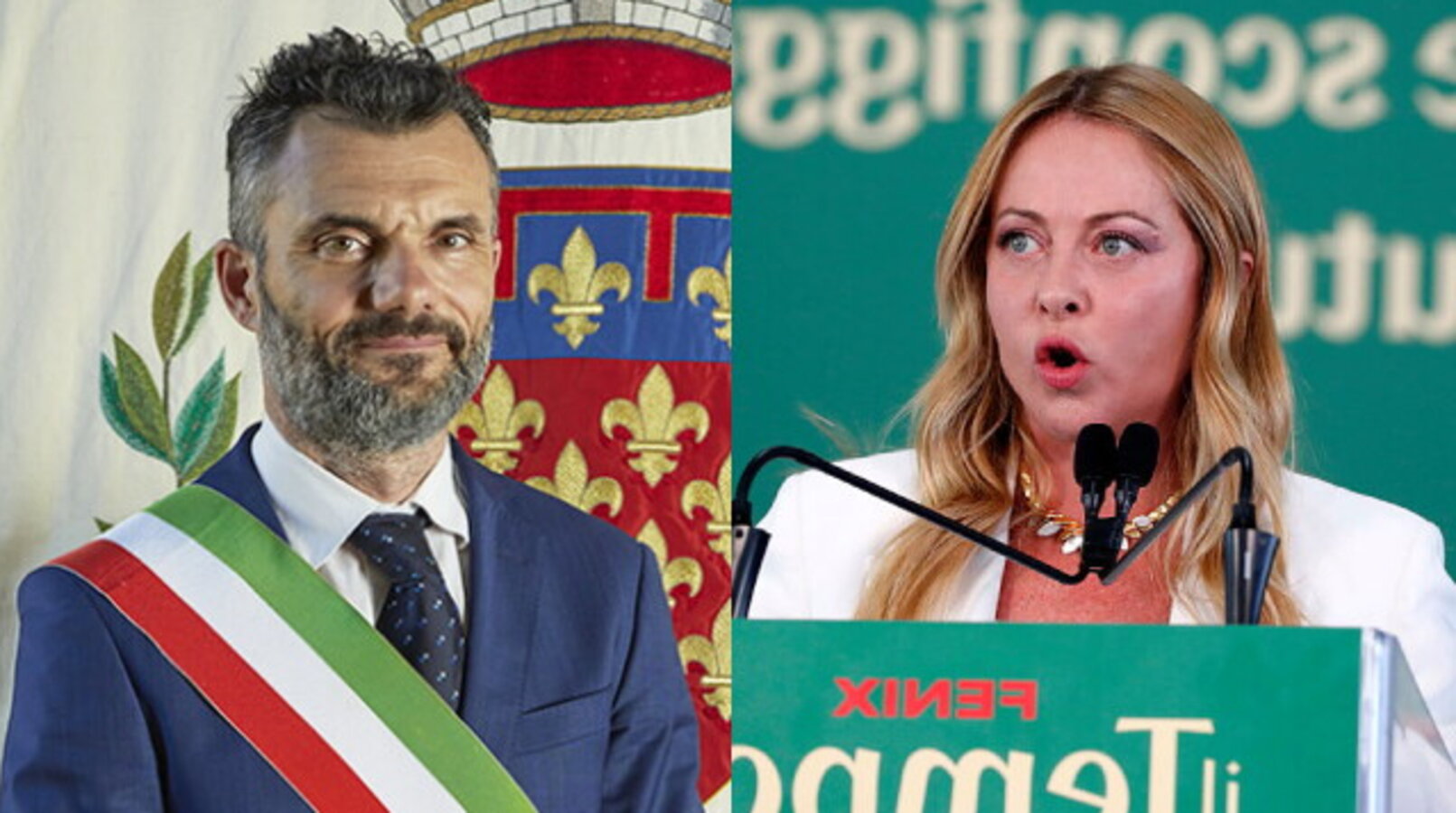



Italy's government has announced plans to impose a legal cap of 30% on foreign-national students per classroom, a measure aimed at managing integration in schools with high immigrant populations. Prime Minister Giorgia Meloni announced the proposal on September 20 at a youth event, framing it as part of broader integration efforts. The threshold echoes a 2010 ministerial circular by then-minister Mariastella Gelmini, which previously allowed flexibility and exemptions in high-immigration areas.
Local officials in cities with significant immigrant populations have rapidly challenged the proposal's feasibility. Matteo Biffoni, mayor of Prato, wrote directly to Meloni, arguing that in many of his city's schools, enforcing the 30% cap would require transferring students to distant buildings. He called instead for integration tools and resources rather than numerical limits. Similar concerns emerged from Monfalcone, where some schools report foreign-national students exceeding 50% of enrollment, and from school principals including Eugenia Carfora at the Morano Institute in Caivano, who characterized immigrant students as "a value added" and emphasized the need for inclusive education and language support.
Data and definitional questions complicate implementation. National statistics show approximately 930,000 non-Italian-citizen students, representing 11.6% of total enrollment; however, over 607,000 were born in Italy and are second-generation students. A LA7 analysis citing the ISMU Foundation found that only 0.33% of Italy's 300,000 classrooms exceed 20% foreign-national enrollment, suggesting the measure targets a limited portion of schools. Critics note that the existing 2010 circular—already deemed ineffective by school administrators—was never rigidly enforced due to practical and geographic constraints.
The government is expected to clarify the decree's scope, including which students will be counted. Proposals under consideration would potentially exclude EU citizens and second-generation students with proficient Italian language skills, narrowing the cap to apply primarily to recent non-Italian arrivals with limited Italian proficiency. Education experts and sociologists, including Maurizio Ambrosini of the University of Milan, argue that the real barrier is language proficiency, not national origin, and that effective integration requires additional funding, specialized teachers, and language support programs rather than restrictive quotas.
The measure also raises questions about potential ancillary provisions, including possible restrictions on religious dress items such as burqas and niqabs in schools—a proposal that would likely create implementation challenges in regions with significant Muslim populations.
Why This Matters
Italy's education system serves approximately 930,000 non-Italian-citizen students (11.6% of total enrollment); the proposed 30% cap would affect classroom composition, student placement logistics, and resource allocation in high-immigration urban centers including Prato and Monfalcone. However, empirical data indicate only 0.33% of Italy's 300,000 classrooms exceed 20% foreign-national enrollment, narrowing the policy's measurable impact; implementation challenges cited by local officials—including geographic constraints and enforcement precedent from the 2010 circular—will determine whether the measure becomes binding law or remains advisory.
Timeline & Sources
Jan 1, 2010
WireMariastella Gelmini issued ministerial circular establishing 30% guideline for foreign students in classes with provisions for flexibility and regional exemptions
Jan 8, 2010
WireMinister Mariastella Gelmini issued Circular No. 2 establishing 30% cap on foreign-national students per classroom; allowed derogations in high-immigration areas
Sep 21, 2026
WireMaurizio Ambrosini analysed policy criticisms, arguing language proficiency, not citizenship, is the core integration issue
Sep 21, 2026
WireMayor Biffoni formally wrote to Meloni contesting proposal; invited PM to visit Prato
Related Signals
- GeoRelated Topic
Australia tightens student and working holiday visas to cut migration
Follow-up 3d ago
- GeoRelated Company
Zelensky: Elections impossible while 9 million Ukrainians remain abroad
Follow-up 5d ago
- GeoRelated Topic
North Korea threatens nuclear response to US-South Korea WMD committee meeting
Follow-up 5d ago
Sources
- Il limite degli stranieri, spada di Damocle sugli istitutiRaiNewsMediaSep 21, 2026
- Tetto agli alunni stranieri, la preside di Caivano: "Ogni studente immigrato è un valore aggiunto, la scuola deve accogliere tutti"Tecnica della ScuolaMediaSep 21, 2026
- Meloni insegue Vannacci? Marianna Aprile: “È solo lo 0,33% delle classi. Non sembra un’emergenza”LA7MediaSep 21, 2026
- Tetto del 30% agli stranieri in classe: «Il problema non è l'origine ma la conoscenza dell'italianoChiesa di MilanoMediaSep 21, 2026
- Scuola, nuove regole per gli studenti stranierirtvslo.siMediaSep 21, 2026
- Il sindaco di Prato scrive a Meloni: "Da noi la sua proposta per la scuola è inapplicabile"HuffPost ItaliaMediaSep 21, 2026