
Today·Emerging
Follow-up 2h ago Major4
98%
Trump Administration Prepares Sweeping Financial Sanctions Against ICC
The Trump administration is preparing comprehensive sanctions against the International Criminal Court that would restrict most financial transactions and access to global banking systems after a six to seven-month grace period. The escalation follows ICC arrest warrants for Israeli officials and reflects the administration's stated view that the court threatens US sovereignty.
Quick Facts
- Preparation of comprehensive sanctions against ICC
- Restriction of ICC financial transactions and banking access
- Prior sanctions on ICC judges and prosecutors
- Dismissal of ICC Chief Prosecutor Karim Khan
- ICC issuance of arrest warrants for Israeli officials
Related Insights
The Trump administration is preparing sweeping sanctions against the International Criminal American News Today · YouTube
Trump ICC Sanctions : पूरे ICC पर प्रतिबंध! ट्रंप प्रशासन के नए प्लान से मचा हड़कंप | Breaking News India News · YouTube
Trump Administration Plans Sanctions Targeting International Criminal Court, Reports Say | N18G moneycontrol · YouTube
Trump ICC Sanctions : ट्रंप प्रशासन का ICC पर शिकंजा... अब पूरे संस्थान को निशाना? | Breaking News India News · YouTube
The U.S. Plan That Could Paralyze the World’s War-Crimes Court Eastora news · YouTube
Trump moves to cripple ICC financially over BN's warrant atGyaanPith © · YouTube
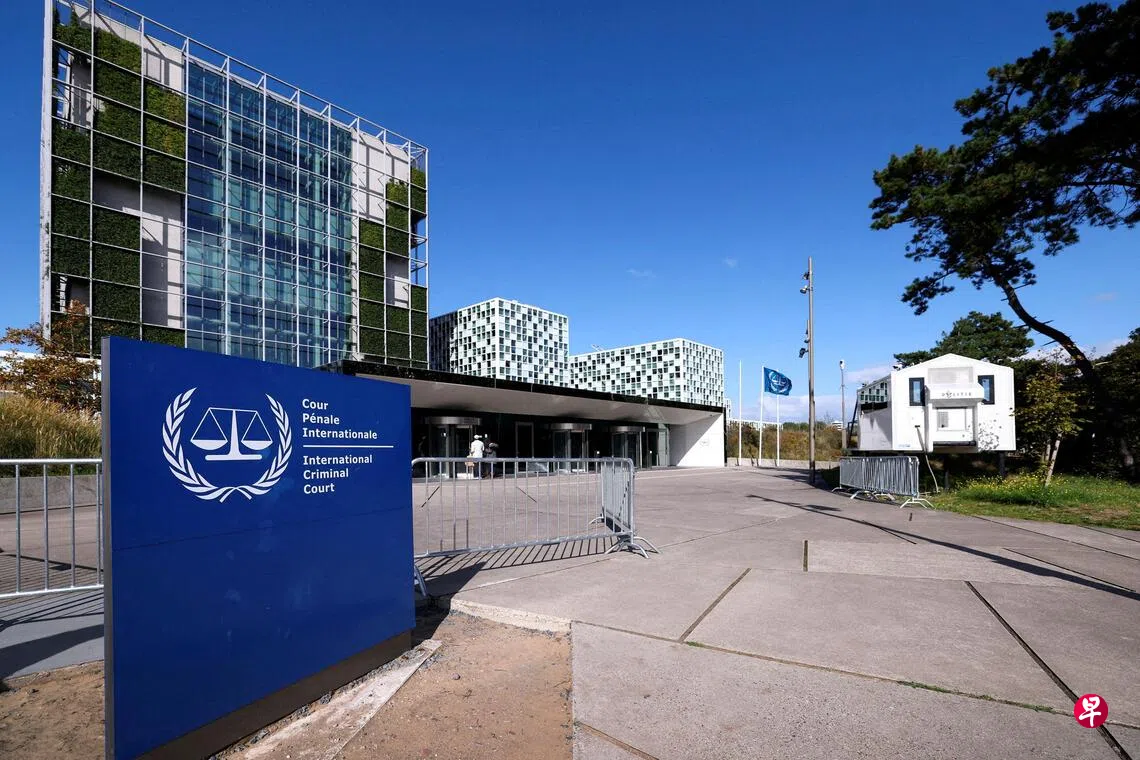


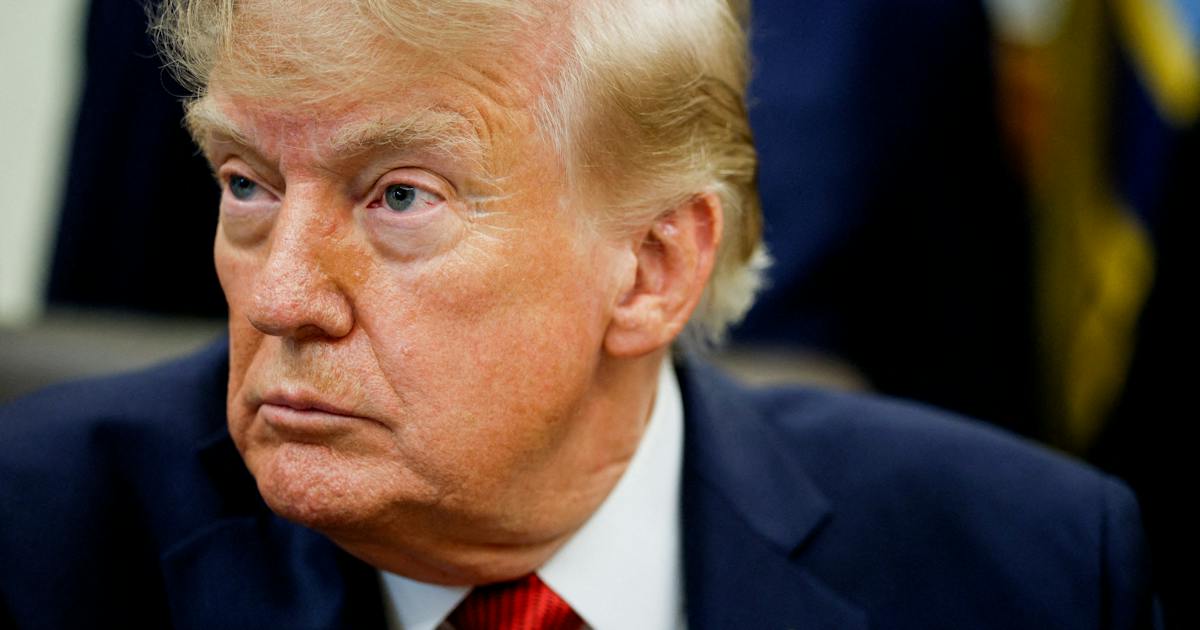
The Trump administration is preparing comprehensive sanctions against the International Criminal Court (ICC) that would restrict the tribunal's financial operations and access to global banking systems. According to reporting by The Wall Street Journal, the sanctions would take effect after a grace period of six to seven months and would prohibit most transactions with the court, including payments to employees, purchases of goods and services, and access to information technology and insurance. The measures would apply broadly to the institution itself rather than targeting individual officials, marking a significant escalation from prior US actions.
US officials confirmed that a decision on the sanctions could be finalised during the UN General Assembly meeting in late September 2026 or in the following days. The sanctions would generally bar US citizens and companies from providing the ICC with money, goods or services without a US Treasury licence. Because international banks and companies often take a cautious approach to US sanctions due to their reliance on access to the American financial system, the restrictions could severely disrupt the court's ability to function.
The Trump administration's escalating pressure on the ICC follows the court's November 2024 arrest warrants for Israeli Prime Minister Benjamin Netanyahu and former Defence Minister Yoav Gallant over alleged war crimes and crimes against humanity in Gaza. The US has already sanctioned more than a dozen ICC judges and prosecutors under an executive order signed by Trump in February 2025, including former Chief Prosecutor Karim Khan—who was dismissed from the ICC in July following sexual misconduct allegations which he has denied—and ICC President Tomoko Akane. The administration has also objected to a separate ICC investigation into alleged abuses in Afghanistan involving US personnel.
US Secretary of State Marco Rubio stated in July that the ICC posed a threat to American sovereignty and announced a campaign to isolate the court internationally. The administration has urged other countries to withdraw from the ICC. However, major ICC supporter nations including European Union members and Japan have pledged to protect the court from US pressure, though their implementation methods remain unclear. The European Union may require member states' banks to continue conducting business with the ICC.
The ICC, headquartered in The Hague and established in 2002, prosecutes individuals accused of genocide, war crimes, crimes against humanity and the crime of aggression when national authorities are unable or unwilling to do so. The United States and Israel are not ICC members. The court's officials have previously warned that sanctions on the organisation as a whole could interfere with its ability to purchase IT and insurance services, hire investigators and make routine payments.
Why This Matters
Comprehensive ICC sanctions would restrict the tribunal's ability to conduct investigations, hire staff, and maintain operations through disruption of banking, IT, and insurance access. The six-to-seven-month timeline (decision expected late September 2026) creates uncertainty for ICC member states, prosecution staff, and investigative operations in multiple jurisdictions. Major supporter states including EU members and Japan have pledged continued support, creating a potential split in international enforcement of the court's mandates. The escalation follows November 2024 arrest warrants for Israeli officials and prior February 2025 sanctions on ICC judges and prosecutors, signaling sustained US policy opposition.
Timeline & Sources
Jan 1, 2002
WireInternational Criminal Court established
Sep 17, 2026
WireRestrictions on Akane and Seye take effect
Sep 21, 2026
WireDecision on comprehensive ICC sanctions expected during or after UN General Assembly
Related Signals
- GeoRelated Topic
U.S. House Passes Russia Sanctions Bill Granting Trump 100% Tariff Authority
Follow-up 3d ago
- GeoRelated Company
U.S. Approves $24.3 Billion F-35 Sale to Saudi Arabia Amid China Concerns
Follow-up 2d ago
- GeoRelated Company
Canada embraces EU 'associate member' proposal amid US trade tensions
Follow-up 3d ago
- GeoRelated Company
EU Proposes Canada as First Associate Member Amid US Trade Crisis
Follow-up 4d ago