
Yesterday·Emerging
Follow-up 3h ago Major3
97%
U.S. Kills 5 in Eastern Pacific Strike on Suspected Drug Boat
U.S. Southern Command conducted a lethal strike on a suspected drug-trafficking vessel in the eastern Pacific on October 27, 2026, killing five people identified as "narco-terrorists." The operation is part of a campaign that has resulted in at least 240 deaths across more than 70 strikes since September 2025. The military did not provide evidence of drug trafficking, and critics have questioned the legality and effectiveness of the strikes, noting that CDC data show no noticeable decrease in overdose deaths.
Quick Facts
- Lethal kinetic strike on a go-fast vessel
- Military campaign against suspected drug-trafficking vessels
- Strikes on vessels in eastern Pacific and Caribbean
- Pentagon evaluation of targeting procedures
- Interception and boarding of vessels with crew removal
Related Insights
US forces strike suspected drug boat in Eastern Pacific, killing 5 Stars and Stripes · YouTube
US STRIKE LIVE : US Military Strike in Eastern Pacific Kills 5 Suspected Drug Smugglers | NXW NewsX World · YouTube
US Military Strike in Eastern Pacific Kills 5 Suspected Drug Smugglers | NewsX World NewsX World · YouTube
U.S. Military Strike Destroys Suspected Drug Boat — 5 Killed World Conflict Map LIVE · YouTube
BREAKING: Eastern Pacific U.S. Strike Kills Five on Suspected Drug Boat | Neon Bulletin Oct 28, 2026 Neon Bulletin · YouTube
Pacific Inferno: US Military Obliterates Drug Vessel, 5 Narco-Terrorists Dead chastity ky · YouTube
243 Dead: US Strike Kills 5 More — Pacific Boat Campaign Under Fire USA TrendWire · YouTube
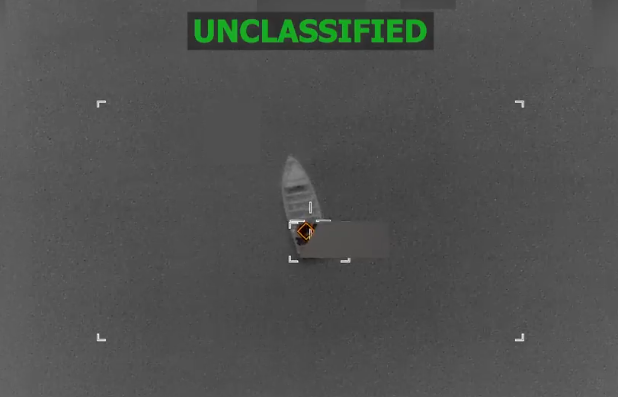

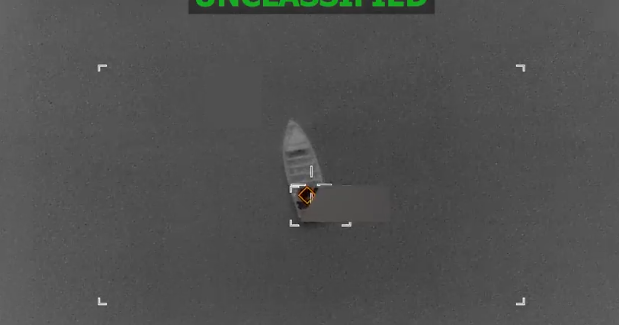
U.S. Southern Command announced on October 27, 2026, that Joint Task Force Western Hemisphere conducted a lethal strike on a vessel in the eastern Pacific, killing five people. The military described those aboard as "narco-terrorists" and stated that intelligence indicated the boat was involved in drug trafficking and operating along established narco-trafficking routes. However, the military did not provide evidence of drug trafficking or identify those killed.
The strike brings the cumulative death toll from U.S. Southern Command operations to at least 240 people across more than 70 strikes since the Trump administration announced the campaign in September 2025. The administration has framed the operations as necessary to combat drug-related deaths in the United States, particularly fentanyl overdoses.
Critics and legal scholars have questioned both the legality and effectiveness of the strikes. The Pentagon's watchdog announced in May that it would examine whether the military followed established targeting procedures, though the evaluation will not assess the strikes' legal foundation. Some Democratic lawmakers and human rights groups have raised concerns about the use of lethal military force against suspected traffickers outside traditional battlefields.
Data from the Centers for Disease Control and Prevention show no noticeable decrease in overdose deaths since the campaign began, despite Trump administration claims of effectiveness. Government Accountability Office reports indicate that fentanyl typically enters the United States through the U.S.-Mexico border via passenger vehicles, with supplies often sourced from China and India. Secretary of State Marco Rubio stated in September that the U.S. would increasingly seek to conduct counter-narcotics operations in cooperation with regional allies, though he also said the military would "still blow up ships if need be" on a case-by-case basis.
Additional scrutiny has focused on individual strikes, including a September 2025 operation that resulted in questions about follow-on strikes against survivors attempting to return to a vessel. Some lawmakers have questioned whether such actions could constitute war crimes, while the Defense Department and congressional Republicans have argued survivors may have remained a threat.
Why This Matters
The strikes represent an expansion of lethal kinetic operations beyond traditional military theatres, affecting maritime operations in the eastern Pacific and Caribbean. At least 240 deaths across 70+ strikes since September 2025 create exposure for participating personnel and allied governments to legal scrutiny regarding targeting procedures and conduct in non-combat zones. CDC data show no measurable decline in overdose deaths despite operational claims of effectiveness, raising questions about resource allocation and operational continuation. Pentagon internal reviews (announced May 2026) and congressional GAO assessments will measure procedural compliance; ongoing disputes over survivors' treatment and cross-border sourcing patterns (U.S.-Mexico border, China, India supply chains) shape counter-narcotics policy recalibration.