
Yesterday·Geo
Follow-up 6h ago Major5
100%
Oil plunges 8.5% after US midterms give Democrats Congress control
Global oil prices plummeted 8.5% on Wednesday following U.S. midterm elections that gave Democrats control of Congress, as investors anticipated potential de-escalation in the U.S.-Israeli conflict with Iran. President Trump and Vice President Vance attributed Republican losses partly to the war and high energy prices, while recovering Middle Eastern crude exports and reduced speculative positioning added downward pressure on prices.
Quick Facts
- U.S. midterm elections resulted in Democratic control of Congress
- Oil prices fell sharply on Wednesday
- Brent crude declined 8.5% to $94.79 per barrel
- West Texas Intermediate dropped 8.3% to $88.09 per barrel
- Trump acknowledged war played a role in Republican defeat
Related Insights
US Election Day Kicks Off: Stocks Slip, Oil Rebounds Bloomberg Television · YouTube
Oil Slumps Below $90: How Midterm Election Results Are Driving Bets on an Iran War Exit ReggieEmpire · YouTube


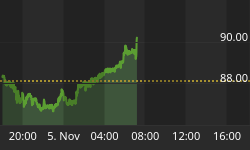
Global oil prices fell sharply on Wednesday following the U.S. midterm elections, with Brent crude declining 8.5% to $94.79 per barrel and West Texas Intermediate dropping 8.3% to $88.09 per barrel—marking one of the steepest single-day declines in recent weeks. The sell-off was driven primarily by investor expectations that Democratic control of Congress could constrain further military escalation in the U.S.-Israeli conflict with Iran and potentially accelerate peace negotiations.
President Donald Trump and Vice President JD Vance both attributed the Republican Party's electoral losses partly to the Iran war and its impact on gasoline prices. Trump told the Financial Times that the United States had no immediate plans to strike Iran, while Vance stated on social media that any discussion of future policy "must start" with acknowledging the war's role in the midterm defeat. Democratic leaders, including Senate Minority Leader Chuck Schumer, pledged to work toward ending the nine-month conflict. Iranian Supreme Leader Ayatollah Khamenei countered in a written statement that U.S. hostility would persist regardless of which political party holds power, while a senior Iranian official told Reuters that Iran and the United States remain far from reaching a deal.
Market analysts attributed the price decline to multiple factors. Middle Eastern crude exports recovered to 17.1 million barrels per day in October, down slightly from 18.9 million in September but still representing roughly three-quarters of pre-war levels, according to ship-tracking data. BOK Financial Securities analysts noted that rising Middle East exports combined with Trump's statements of restraint were keeping pressure on crude. Profit-taking and a reduction in speculative long positions followed the sharp October rally that had pushed Brent to six-month highs. However, traders faced conflicting signals: defensive U.S. strikes on Iran's Qeshm Island continued even as officials downplayed imminent escalation, and unconfirmed Qatari media reports of significant progress in U.S.-Iran negotiations were quickly dismissed by Iranian officials.
U.S. crude inventories fell 900,000 barrels to 409.8 million in the week ended October 30, coming in 4% below the five-year average, while distillate stocks dropped 3.6 million barrels to 13% below the five-year average. Despite the sharp inventory draws, refined product exports from Middle Eastern refineries remained subdued, suggesting that relief at the pump for consumers may take longer to materialize. To address diesel shortages—with prices exceeding $6.50 per gallon—the Energy Department announced it would loan 300,000 barrels from the Northeast Home Heating Oil Reserve to four companies, equivalent to nearly a third of that stockpile. Democratic control of Congress could tighten U.S. military spending in the region and bring a peace deal sooner, analysts said, though escalation remained possible before any resolution.
Why This Matters
Oil markets are pricing in a shift in U.S. military policy toward Iran following the elections. Traders face competing signals: Middle Eastern crude exports are recovering toward pre-conflict levels, U.S. crude inventories remain below five-year averages, diesel prices exceed $6.50/gallon, and the Energy Department has begun releasing strategic reserves. Political control of defense spending and regional military operations affects global energy supply, fuel costs for consumers, and the timeline for supply chain normalization in refining and transportation sectors.
Timeline & Sources
Sep 30, 2026
WireMiddle Eastern crude shipments averaged 18.9 million barrels per day
Oct 30, 2026
WireBrent crude settled at lowest level in nearly four weeks
Nov 4, 2026
WireTrump tells Financial Times US has no immediate plans to strike Iran
Nov 5, 2026
WireUS Energy Information Administration to release official crude inventory data
Related Signals
- GeoContinuation
Democrats sweep midterms; markets rise on policy shift expectations
Follow-up 22h ago
- GeoMarket Impact
Iran proposes seven-day ceasefire plan as U.S. and Iran engage through mediators
Follow-up Oct 29
- GeoMarket Impact
Democrats sweep US Congress; Trump faces divided government amid voter backlash
Follow-up 3h ago
- GeoMarket Impact
Lukashenko predicts Ukraine conflict will end within months amid exhaustion
Follow-up 3h ago
Sources
- North Sea Oil Plunge Deepens as Traders Weigh Iran De-EscalationbloombergWireNov 4, 2026
- Oil falls on Iran war uncertainty, US Democrats' midterm sweepCNBCMediaNov 4, 2026
- Oil price falls below $95/barrel as US midterm election results spark Middle East war uncertaintyTheCableMediaNov 4, 2026
- 美国中期选举有望加快中东战争结束 油价大跌逾8%后继续下跌zaobaoMediaNov 5, 2026
- Oil Crashes 9% as Trump and Vance Blame Iran War for Midterm RoutCrude Oil Prices Today | OilPrice.comMediaNov 5, 2026