
Today·Emerging
Follow-up 4h ago Major5
96%
India's Central Bank Raises Repo Rate 25 Basis Points to 5.5 Percent
India's Reserve Bank raised the repo rate to 5.5 percent on October 7, 2026, its first increase in nearly four years, citing rising inflation, rupee depreciation, and elevated oil prices. The move will increase borrowing costs across the economy, though the RBI maintained its 7.1 percent growth forecast and signaled a pause in near-term rate hikes.
Quick Facts
- RBI raised repo rate by 25 basis points
- Repo rate increased to 5.5 percent
- RBI signaled end to rate cuts and shift to calibrated tightening
- RBI revised growth forecast upward by 40 basis points
- Housing, vehicle, and personal loan EMIs expected to rise


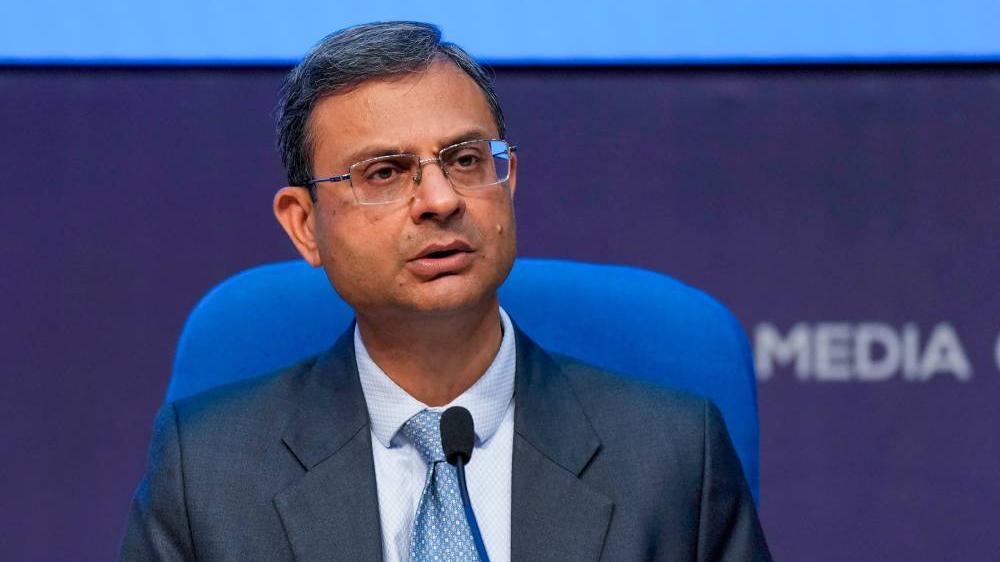
The Reserve Bank of India raised its repo rate by 25 basis points to 5.5 percent on October 7, 2026, marking the first increase in nearly four years. RBI Governor Sanjay Malhotra described the decision as a "calibrated" response to evolving macroeconomic conditions, signaling a shift from the neutral stance maintained since 2023 toward what he termed "calibrated tightening."
The rate increase will raise borrowing costs for commercial banks and, in turn, lift equated monthly installments (EMIs) on housing, vehicle, and personal loans. The RBI's monetary policy committee cited rising retail inflation at 4.82 percent—above the central bank's 4 percent target—alongside a weakening rupee and elevated crude oil prices above $100 per barrel as key drivers. Global monetary tightening by the U.S. Federal Reserve and other central banks also contributed to the decision.
Despite tightening monetary policy, the RBI raised its growth forecast for the current fiscal year by 40 basis points to 7.1 percent. Governor Malhotra projected quarterly growth rates of 7.2 percent, 6.9 percent, and 6.8 percent for the second, third, and fourth quarters respectively, while acknowledging that geopolitical tensions, crude oil volatility, and trade disruptions pose downside risks.
Malhotra stated that further rate hikes are off the table in the near term, though economists suggest additional increases may become necessary in 2027 if inflationary pressures persist. The decision marks a clear policy reversal after the RBI cut rates by a cumulative 125 basis points in 2025 following its February 2023 rate hike.
Why This Matters
The rate increase will raise borrowing costs for households and businesses across India's economy. Commercial bank lending rates on mortgages, auto loans, and personal credit will rise, affecting monthly installments for millions of borrowers. The RBI's shift from rate cuts to tightening reflects elevated retail inflation (4.82%) above its 4% target, a weakening rupee, and crude oil prices above $100/barrel. Despite the tightening, the central bank maintained a 7.1% growth forecast and signaled a pause in further increases, creating uncertainty about the trajectory of policy in 2027 if inflation remains sticky.
Timeline & Sources
Jan 1, 2025
WireRBI cut rates four times cumulatively by 125 basis points, settling at 5.25 percent
Related Signals
- MarketMarket Impact
U.S. stocks rally on weak September jobs data; Nike shares plunge
Follow-up 3d ago
- GeoMarket Impact
U.S. adds just 29,000 jobs in September; unemployment rises to 4.2%
Follow-up 4d ago
- GeoGeographic Impact
Indonesia distributes 900,000 rupiah wage subsidy to 13.3 million workers
Follow-up 3d ago
- MarketGeographic Impact
Garuda Indonesia cuts net loss 23% as revenue surges 16% in H1 2026
Follow-up 6d ago
Sources
- India's Central Bank Hikes Repo Rate By 25 BpsbloombergWireOct 7, 2026
- India’s RBI Lifts Rates for First Time in Nearly Four YearsbloombergWireOct 7, 2026
- India's central bank raises repo rate to 5.5 pctxinhuaMediaOct 7, 2026
- റിപ്പോ നിരക്കുയർത്തി റിസർവ് ബാങ്ക്, ഭവന-വാഹന വായ്പയെടുത്തവർക്ക് പലിശ ഭാരം കൂടുംAsianet News MalayalamMediaOct 7, 2026
- റിപ്പോ നിരക്ക് കാൽ ശതമാനം കൂട്ടി: വളർച്ചാ അനുമാനം ഉയർത്തി, വായ്പാപലിശ ഉയരുംMathrubhumiMediaOct 7, 2026