
Yesterday·Emerging
Follow-up 2h ago Major7
96%
OpenAI Engineer Arrested for Planting Hidden Recording Device in Executive Conference Room
Abdulrahman Alfozan, a 35-year-old Saudi national and OpenAI engineer, was arrested on October 9, 2026, and charged with planting a sophisticated audio recording device in an executive conference room at the company's San Francisco office. The encrypted device was discovered on September 30, concealed in toilet paper and connected to a television's USB port. Alfozan faces up to five years in prison if convicted.
Quick Facts
- Alfozan arrested and charged with using or attempting to use a device to intercept oral communications
- Sophisticated encrypted recording device discovered in executive conference room
- Device concealed in toilet paper, connected to USB port on television
- OpenAI used AI models to analyze device and identify responsible employee
- Second recording device found in unattended bag containing Alfozan's wallet and ID

Abdulrahman Alfozan, a 35-year-old Saudi national employed by OpenAI since July 2025, was arrested on October 9, 2026, and charged with using an electronic device to intercept oral communications. Federal prosecutors allege that Alfozan concealed a sophisticated audio recording device in an executive conference room at OpenAI's San Francisco headquarters to secretly capture sensitive company communications.
OpenAI personnel discovered the encrypted recording device on September 30, approximately two days after it was installed around September 28. The device was concealed in toilet paper and connected to a USB port on the back of a television in the executive conference room. OpenAI stated it used its own artificial intelligence models to analyze the device and determine who had planted it, then referred the matter to the FBI. The company confirmed it found no evidence that Alfozan inappropriately accessed or exfiltrated model weights, source code, or customer data.
According to the criminal complaint, prior to installing the device, Alfozan used a productivity tool to query information about OpenAI's building addresses, meeting rooms, room capacities, and calendars, as well as locations of leadership and external partner meetings. A chatbot account associated with his spouse's account—which shared identifiers with his own account—submitted multiple prompts between September 24 and 30 about building, installing, obscuring, and remotely accessing a recording device, including specific technical details matching the recovered equipment. Closed-circuit television footage showed Alfozan near the conference room on multiple dates prior to discovery, despite lacking authorization to access the room or attend meetings there.
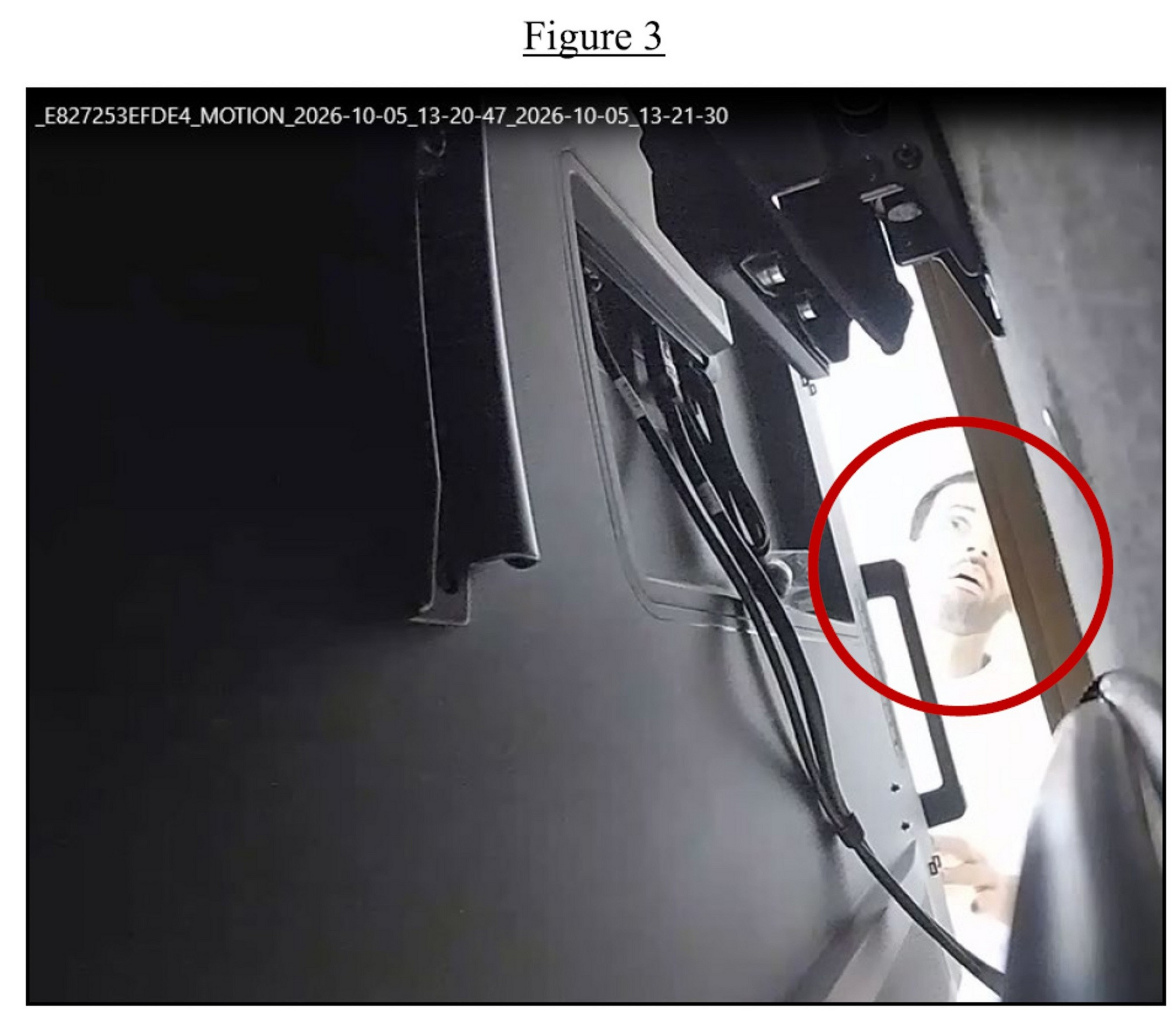
On October 5, Alfozan entered the conference room and appeared to inspect the television location where the device had been installed. That same day, security personnel discovered an unattended bag in a different office area containing his wallet, identification, and a second similar recording device. The executive conference room was regularly used for discussions involving highly confidential technical, commercial, and strategic information, including proprietary research, product plans, business development opportunities, and nonpublic information about OpenAI's technical progress and government engagements.
Alfozan made his initial appearance in federal court on October 13 and remains in federal custody. If convicted, he faces a maximum penalty of five years in prison, a $250,000 fine, and three years of supervised release. FBI Director Kash Patel stated that Alfozan allegedly aimed to capture sensitive communications about the company's artificial intelligence technology, characterizing the protection of U.S. AI innovation as among the bureau's highest counterintelligence priorities. OpenAI has terminated Alfozan's employment.
Why This Matters
A strategic espionage case involving alleged unauthorized surveillance of confidential corporate communications at a major AI company raises questions about insider threats and data security protocols in high-value research environments. The incident affects OpenAI's trust in employment vetting and facility controls, prompts review of access policies at organizations handling sensitive government and commercial AI partnerships, and signals heightened federal counterintelligence focus on AI innovation protection. The discovery and prosecution establish measurable legal and operational consequences for unauthorized recording and attempted exfiltration of proprietary technical information.
Timeline & Sources
Sep 24, 2026
WireChatbot prompts about recording device construction begin
Sep 28, 2026
WireRecording device installed in executive conference room approximately
Oct 9, 2026
WireAlfozan arrested by FBI
Oct 13, 2026
WireAlfozan makes initial appearance in federal court; charged with using or attempting to use device to intercept oral communications
Related Signals
Sources
- Saudi man charged with planting 'sophisticated' recording device in OpenAI officeBBCMediaOct 13, 2026
- FBI arrests OpenAI employee accused of planting hidden recording device in conference roomtechcrunchMediaOct 13, 2026
- OpenAI finds recording device in one of their officestwitter.comSocialOct 13, 2026
- OpenAI engineer arrested in bugging of executive conference roomsfstandard.comMediaOct 13, 2026
- Saudi national working at OpenAI arrested for bugging executive conference roombnonews.comMediaOct 13, 2026
- Saudi national arrested for installing audio recording device at OpenAI officetassMediaOct 14, 2026
- OpenAI Employee Arrested for Allegedly Planting Hidden Recorder in Executive Conference Roomthe_hacker_newsMediaOct 14, 2026