
Yesterday·Emerging
Follow-up 13h ago3
94%
UK launches fines for loud music on buses, nationwide headphone campaign
The UK government has introduced fines up to £100 for passengers playing loud music on buses, with a parallel national campaign encouraging rail travellers to use headphones. Enforcement will be handled by transport safety officers and police, not drivers, with existing train penalties up to £1,000 already in place.
Quick Facts
- Fines introduced for loud music on buses
- National campaign launched with slogan 'share the carriage, not the noise'
- New powers granted to local authorities under Bus Services Act
- Guidance issued by Department for Transport on enforcement
- Rules target loud music, vaping, littering, and threatening behaviour
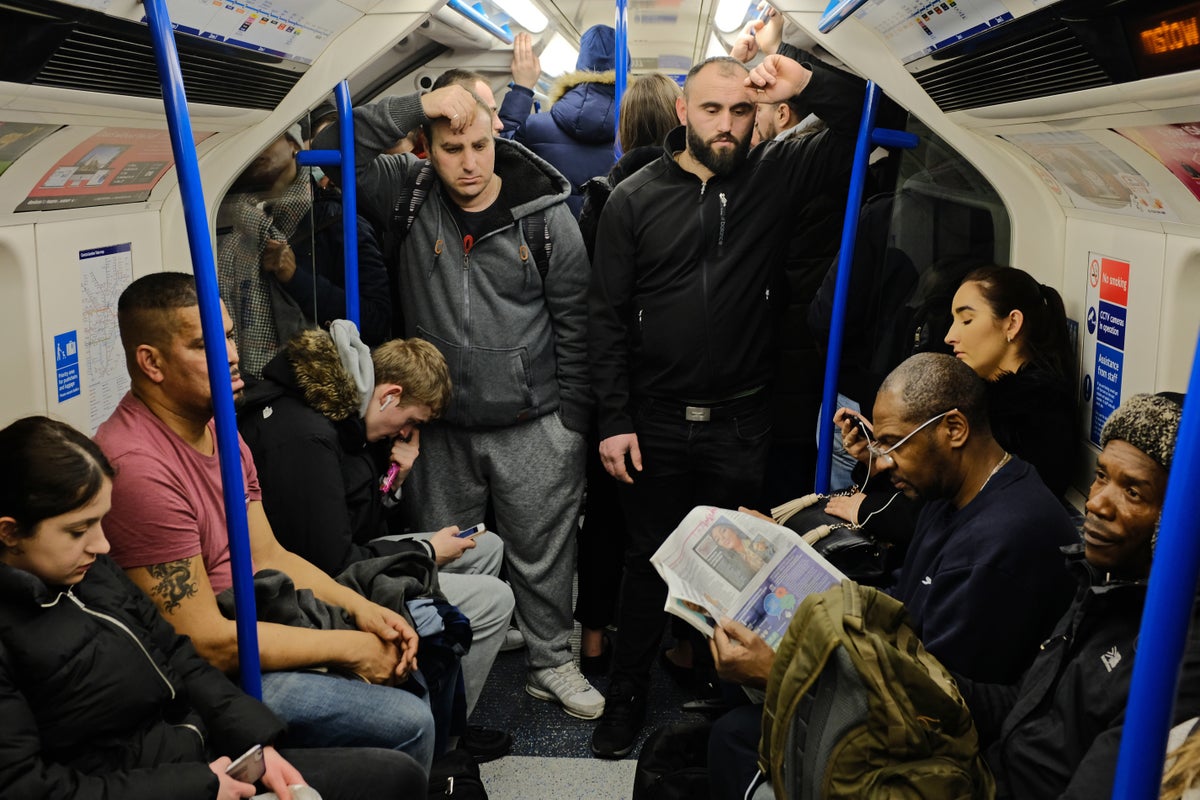


The UK government has announced a crackdown on disruptive behaviour on public transport, introducing fines of up to £100 for passengers playing loud music on buses in England. Prime Minister Andy Burnham unveiled the measures alongside a national campaign titled "share the carriage, not the noise," encouraging rail passengers to use headphones and avoid speakerphone calls.
Under new powers granted to local authorities via the Bus Services Act, transport safety officers and police—not bus drivers—will enforce the rules against loud music, vaping, and littering. Train operating companies already hold existing powers to issue fines up to £1,000 for similar behaviour. The Department for Transport has issued guidance to local authorities on implementing these new enforcement powers.
The government's campaign reflects public sentiment: a YouGov poll found that approximately 60% of voters support action against people playing videos or music aloud in public spaces, with voters backing even higher penalties of £1,000 on buses and trains. The crackdown has been welcomed by transport campaigners and some unions, though questions remain about enforcement capacity and effectiveness.
Union officials and opposition politicians have raised concerns. Unite's general secretary Sharon Graham stated the proposals were "well-meaning but wholly inadequate" to protect transport workers facing violence. The TSSA transport union called for increased funding for British Transport Police alongside the new rules. Shadow Transport Secretary Richard Holden noted that passengers and staff face more serious problems, citing a 68% rise in assaults against rail staff. Liberal Democrat and other opposition figures questioned whether sufficient funding and staffing would support enforcement on the ground.
Why This Matters
New enforcement powers affect millions of daily public transport users across England's bus networks, with fines up to £100 potentially increasing compliance costs for passengers. The measures address reported public concern—60% of voters in a YouGov poll support action—but opposition figures cite limited enforcement capacity and question whether resource allocation will match stated penalties. Train operators already hold similar powers with £1,000 fines; effectiveness of the bus extension will likely influence future policy on comparable transport-related restrictions across UK services.
Timeline & Sources
Jan 1, 2026
WireNew powers granted to local authorities under Bus Services Act
Oct 18, 2026
WirePrime Minister Andy Burnham announces fines for loud music on buses and national 'share the carriage, not the noise' campaign
Oct 19, 2026
WireDepartment for Transport guidance issued to local authorities on enforcement implementation