
Emerging
Published Jul 25, 2026Updated Jul 25 Major2
97%
SpaceX lands Starship intact in Indian Ocean after 13th test flight
SpaceX successfully completed its 13th Starship test flight on July 25, 2026, achieving an intact soft splashdown in the Indian Ocean—the first time the vehicle landed intact after a water landing. The achievement provides critical data on heat shield durability and has prompted SpaceX to plan a tower-catch attempt for the next flight.
Quick Facts
- Starship test flight completed
- Soft splashdown in Indian Ocean
- Vehicle remained intact after water landing
- Drone inspection of heat shield and ceramic tiles
- Signals maintained via Starlink after splashdown

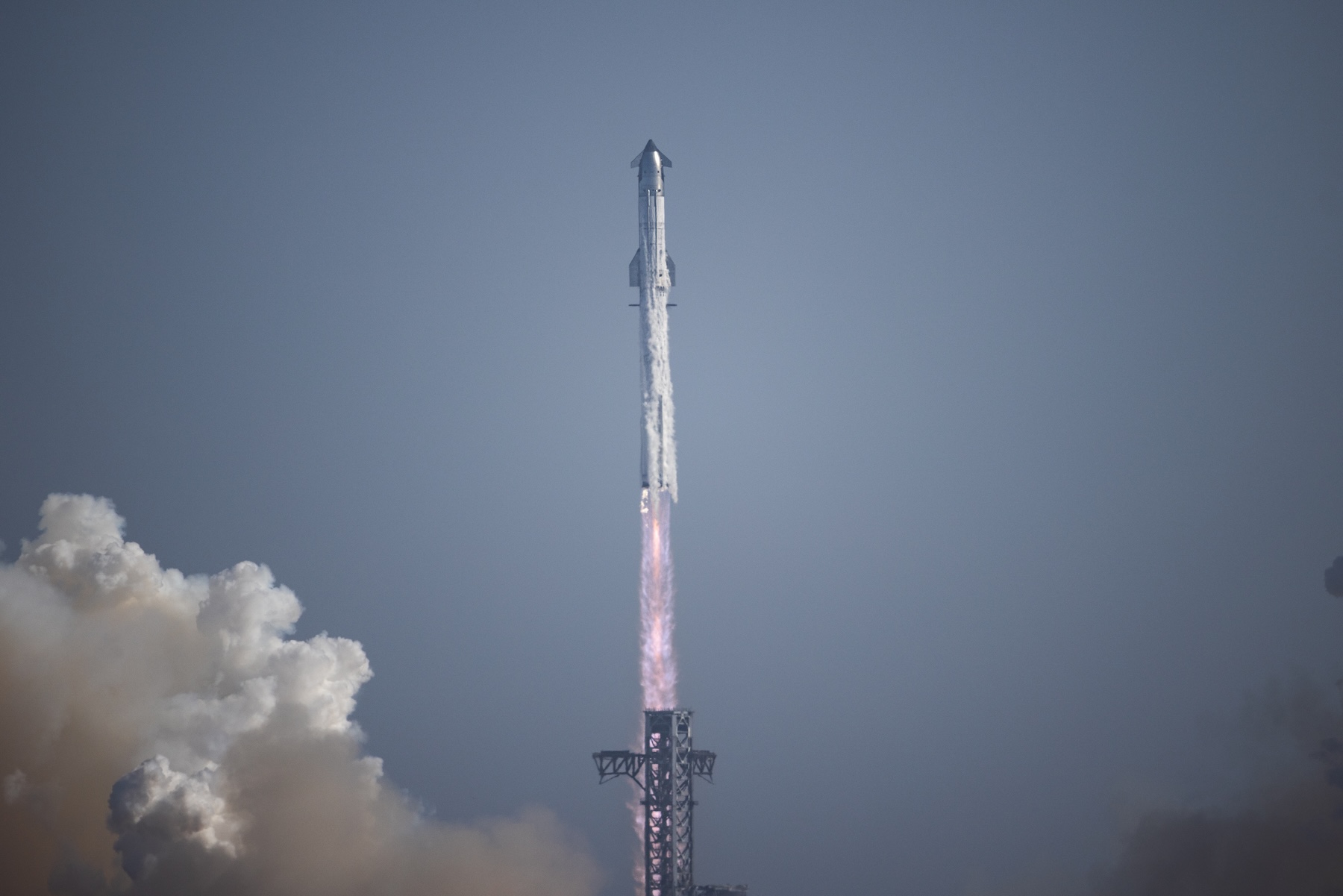

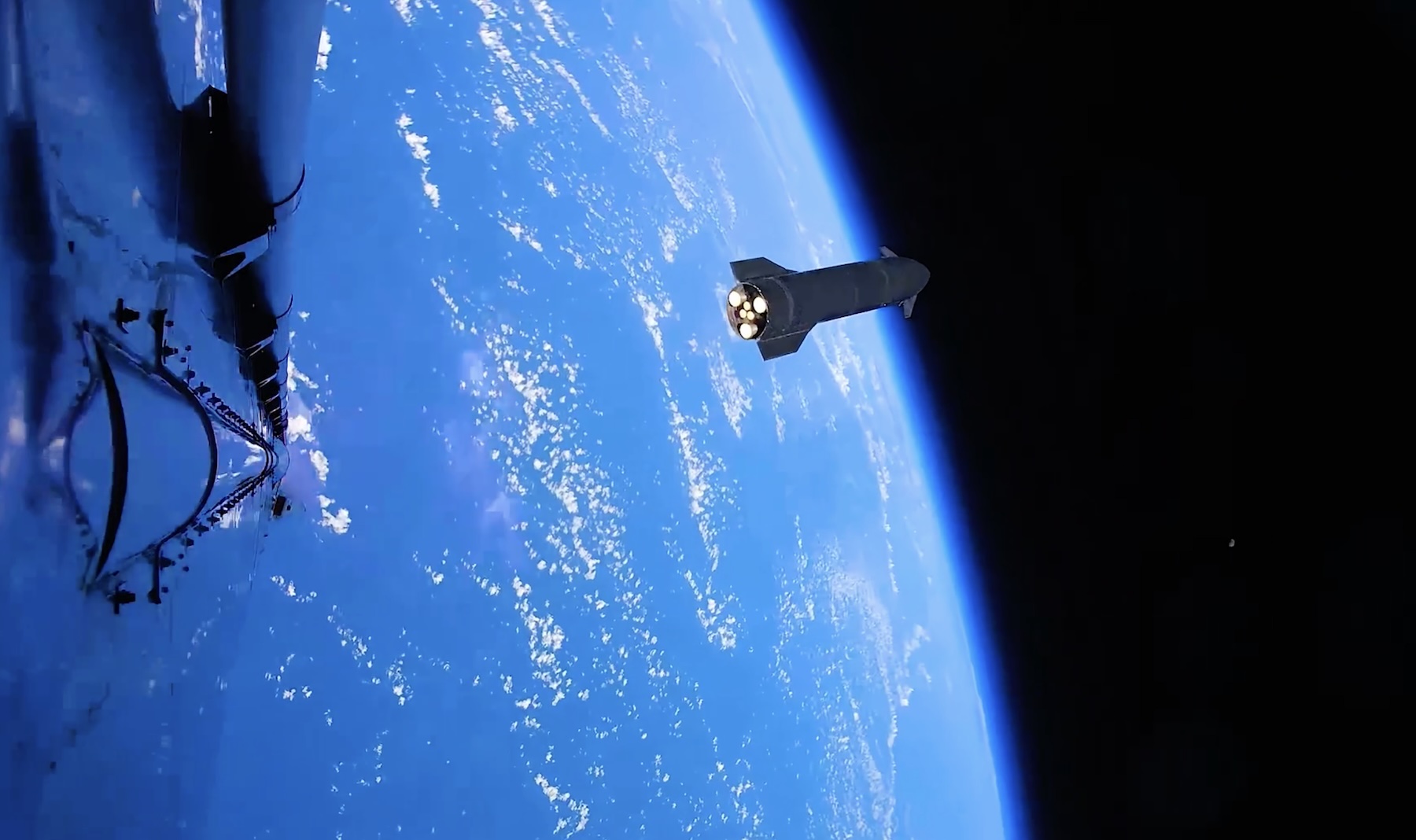

SpaceX successfully completed its 13th Starship test flight on July 25, 2026, achieving a significant engineering milestone with an intact soft splashdown in the Indian Ocean west of Australia. The 408-foot-tall megarocket lifted off from Starbase, Texas, at 5:51 pm CDT, powered by 33 methane-fueled Raptor engines on its Super Heavy booster. After an hour-long flight, Starship gently tipped over and came to rest floating in a remote section of ocean, marking the first time the vehicle remained intact after a water landing—previous splashdowns typically resulted in fire and structural damage.
Engineers deployed drones to inspect the vehicle's heat shield, examining approximately 18,000 ceramic tiles that insulated the stainless steel airframe during reentry. The tiles withstood temperatures exceeding 2,600° Fahrenheit (1,430° Celsius) as Starship descended through the atmosphere. SpaceX maintained contact with the vehicle via its Starlink satellite network after splashdown, with onboard cameras showing no visible external damage to the six Raptor engines. SpaceX communications manager Dan Huot described the outcome as "a dream scenario for the team that's trying to get this heat shield data," noting the intact condition provides unprecedented opportunity to assess durability under the flight's higher dynamic pressure stress.
The successful landing was Starship Version 3's second flight and SpaceX's first as a publicly traded company. The flight came after an aborted launch attempt the previous week due to an engine failure at liftoff. SpaceX founder and CEO Elon Musk signaled ambitious next steps, stating on X that "unless we discover problems after mission data review, SpaceX will attempt to catch the ship with the tower on next flight"—a maneuver the company has already successfully performed with the larger Super Heavy booster. The intact splashdown also creates the possibility of towing the rocket to shore in Australia for more detailed ground inspections, though salt water exposure typically precludes reuse of Starship components.
Why This Matters
The intact splashdown provides SpaceX direct access to approximately 18,000 heat shield ceramic tiles that experienced temperatures exceeding 2,600°F during reentry under higher dynamic pressure—data previously unavailable from earlier fragmented water landings. This durability assessment informs design decisions for both near-term operational landings and future missions, while the possibility of towing the vehicle to Australia for ground inspection creates a technical pathway for detailed failure analysis. The achievement also marks Starship Version 3's second flight and occurs during SpaceX's first operational period as a publicly traded company, with implications for investor confidence in development timelines and near-term capability demonstrations.
Timeline & Sources
Jul 18, 2026
WireAborted launch attempt due to engine failure at liftoff
Jul 25, 2026
WireStarship V3 lifts off from Starbase, Texas
Related Signals
- MarketRelated Topic
SpaceX completes 13th Starship test flight, deploys 20 Starlink V3 satellites
Updated Jul 26
- MarketRelated Topic
SpaceX Starship Flight 13 Deploys 20 V3 Satellites, Achieves Controlled Splashdown
Updated Jul 26
- MarketRelated Topic
SpaceX's Starship Completes 13th Test Flight, Achieves Softest Splashdown
Updated Jul 26