
Market
Published Jul 23, 2026Updated Jul 26 Major11
100%
SpaceX Starship Flight 13 Deploys 20 V3 Satellites, Achieves Controlled Splashdown
SpaceX completed its 13th Starship test flight on July 24, 2026, successfully deploying 20 operational V3 Starlink satellites and achieving a controlled upper-stage splashdown in the Indian Ocean. The mission, delayed by engine failures and weather, validated critical in-space engine restart capability and heat shield durability, though the first-stage booster experienced landing engine failures and impacted the Gulf of Mexico at higher-than-expected velocity.
Quick Facts
- Starship Flight 13 test launch completed
- Deployed 20 operational V3 Starlink satellites for first time
- Upper stage achieved controlled splashdown in Indian Ocean
- Booster experienced landing engine failures in Gulf of Mexico
- Upper stage performed successful engine restart in vacuum
Related Insights
Hallie Jackson NOW - July 24 | NBC News NOW NBC News · YouTube
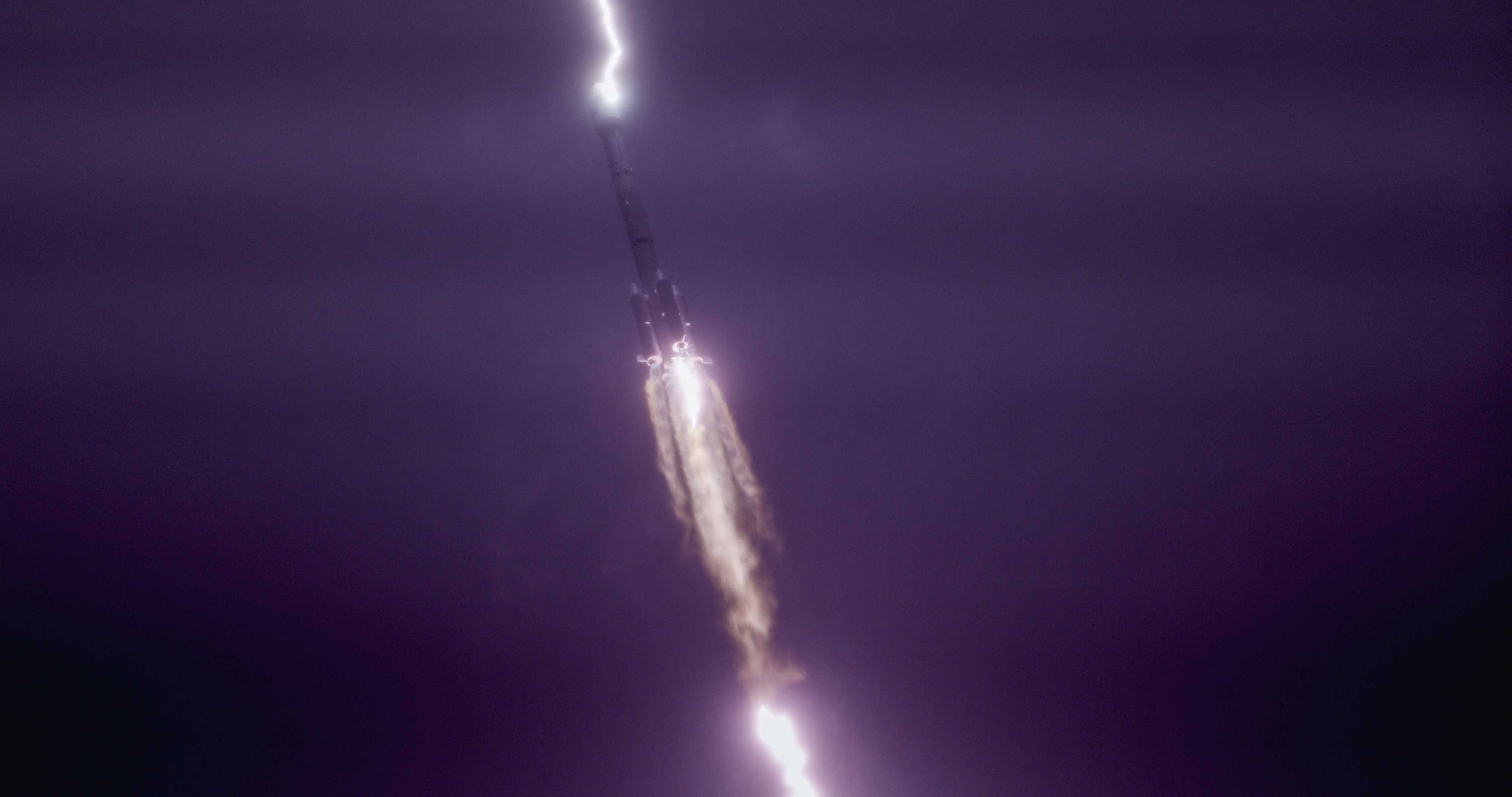




SpaceX successfully completed its 13th Starship test flight on July 24, 2026, launching from Starbase in Boca Chica, Texas at 6:51 p.m. EDT. The mission marked a significant milestone by deploying 20 operational V3 Starlink satellites—the first time the company flew genuine satellites rather than test simulators on a Starship mission.
The flight faced multiple delays before launch. An initial attempt on July 16 was aborted at ignition when several engines on the 33-engine Super Heavy booster failed to start, prompting an automatic shutdown. SpaceX replaced six engines and rescheduled the launch for July 23, which was then postponed again to July 24 due to unfavorable weather. The two-stage vehicle, standing approximately 124 meters tall, reached suborbital altitude and completed a one-hour flight profile.
During the mission, the upper stage successfully deployed the 20 V3 satellites from its payload bay at an altitude of approximately 200 kilometers. Six of the satellites carried cameras that photographed the spacecraft's heat shield in real time, transmitting images back to Earth. All satellites communicated via laser links with operational Starlink satellites already in orbit and with ground stations. As planned for this suborbital test, the satellites were allowed to burn up during atmospheric reentry approximately 20 minutes after deployment.
The upper stage achieved two critical technical milestones. It performed a successful engine restart in vacuum—a test that was incomplete during the previous V3 flight in May due to engine failure—and executed a controlled splashdown in the Indian Ocean, remaining intact rather than exploding upon impact. The booster experienced landing engine failures, however, as several engines failed to ignite during the planned landing burn in the Gulf of Mexico, causing it to impact at a higher-than-expected speed.
The mission validated improvements made after the 12th test flight, which saw the booster rotate approximately 90 degrees during stage separation and experienced multiple engine ignition failures. SpaceX modified engine startup sequencing, improved hardware reliability, and updated control algorithms. The successful V3 heat shield performance, demonstrated through both the intact upper-stage splashdown and sensor data collected by the deployed satellites, represented progress on what company leadership has identified as the rocket's most significant remaining technical challenge for rapid reusability.
Why This Matters
SpaceX's successful deployment of 20 operational satellites marks the first time genuine spacecraft rather than test mass flew on Starship, and the upper stage's intact splashdown with heat shield validation directly affects the company's timeline for rapid rocket reusability—a stated prerequisite for high-cadence satellite constellation replenishment and long-term cost reduction in launch operations. The booster's landing engine failures, however, indicate sustained reliability challenges in landing burn sequencing that must be resolved before crewed or rapid turnaround flights.
Timeline & Sources
May 1, 2026
WireStarship Flight 12 (V3 prototype) launched; spacecraft exploded after splashdown; booster separation issue occurred
Jun 1, 2026
WireSpaceX completed largest IPO in history; stock opened at $135, peaked at $225
Jul 25, 2026
WireSpaceX reported: 'Splashdown confirmed!' and detailed mission achievements
Jul 25, 2026
WireSpaceX stock fell 2% in after-hours trading following booster failure announcement
Related Signals
- MarketRelated Topic
SpaceX completes 13th Starship test flight, deploys 20 Starlink V3 satellites
Updated Jul 26
- MarketRelated Topic
SpaceX lands Starship intact in Indian Ocean after 13th test flight
Updated Jul 25
- MarketRelated Topic
SpaceX's Starship Completes 13th Test Flight, Achieves Softest Splashdown
Updated Jul 26
Sources
- SpaceX Delays Major Flight Test Again in Post-IPO SpotlightBloombergWireJul 23, 2026
- Spacex Starship Starlinks Nasa Musk 2d1f10bd676c296bc7db5e0c56cb9a4eapWireJul 24, 2026
- Rocket Report: Lightning strikes in China; Starship launch on deckars_technicaMediaJul 24, 2026
- SpaceX launches new V3 Starlink satellites but suffers another booster failuretechcrunchMediaJul 24, 2026
- SpaceX again postpones its Starship test launchtassMediaJul 24, 2026
- Starship completes test flight, successfully splashing down in Indian OceantassMediaJul 25, 2026
- SpaceX launches Starship prototype on its 13th test flighttassMediaJul 25, 2026
- 从太空高速冲回地球后,马斯克家最大的飞船,此刻正漂在印度洋上ifengMediaJul 25, 2026
- 首次部署真卫星,马斯克星舰完成SpaceX上市后首飞huxiuMediaJul 25, 2026
- 美“星舰”第13次试飞 实现部分目标crnttMediaJul 25, 2026
- 一文读懂星舰“十三飞”huxiuMediaJul 26, 2026