
Yesterday·Geo
Follow-up 3h ago Major4
100%
Swiss voters reject stricter neutrality rules in referendum
Swiss voters rejected a constitutional initiative on September 27 that would have strictly limited Switzerland's ability to impose sanctions without UN Security Council approval and prohibited military cooperation beyond self-defense scenarios. The proposal, backed by the right-wing SVP and supported by Moscow, faced widespread opposition from the federal government and mainstream parties, with pre-vote polling showing 63–68 percent intended to vote against it.
Quick Facts
- Constitutional referendum on stricter neutrality rules
- Proposal to limit sanctions to UN Security Council-approved measures
- Proposal to prohibit military alliances except in direct attack scenarios
- Proposal to prevent closer NATO cooperation
- Food security initiative to increase domestic production to 70% of consumption

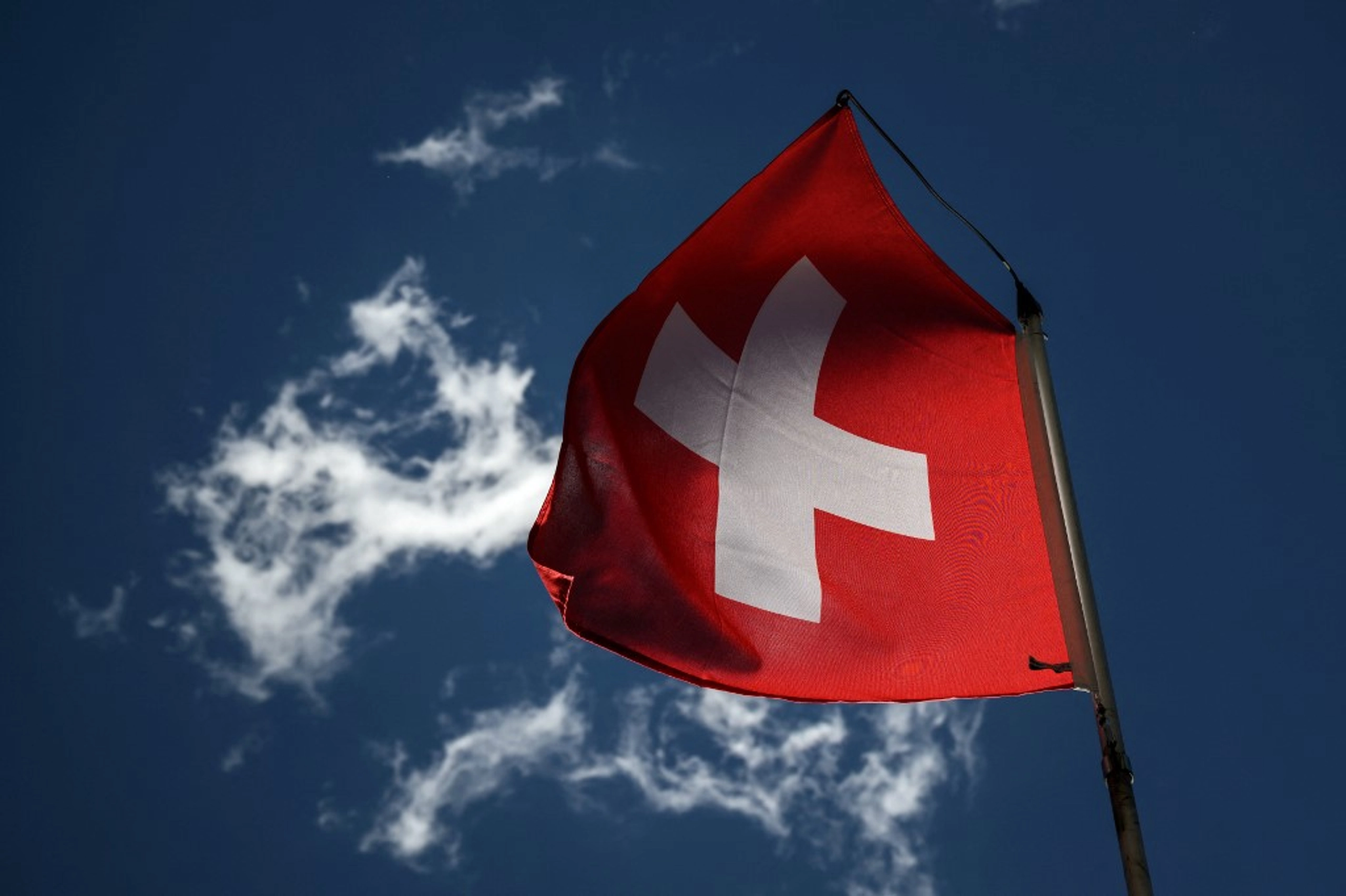


Swiss citizens voted on September 27, 2026, on a constitutional initiative that would have significantly restricted Switzerland's foreign policy flexibility. The "Pro Schweiz" group, linked to the right-wing Swiss People's Party (SVP), led the campaign for the measure, which proposed to enshrine permanent armed neutrality in the constitution and limit sanctions to those approved by the United Nations Security Council.
Under the proposal, Switzerland would have been prohibited from joining military or defense alliances except in cases of direct attack, and would have been unable to impose independent sanctions on belligerent states. This would have effectively reversed Switzerland's post-2022 alignment with EU sanctions targeting Russia's military, energy, and financial sectors—sanctions Switzerland had adopted following Russia's 2022 invasion of Ukraine. The initiative also would have prevented closer military cooperation with NATO. The proposal received backing from Moscow, with Russian Foreign Ministry spokesperson Maria Zakharova expressing support for stricter neutrality rules in summer 2026.
The Swiss federal government and mainstream political parties opposed the initiative, arguing that existing law already codified permanent neutrality and that the proposal would remove necessary flexibility to respond to international crises independently. Opponents contended that strict adherence to UN-only sanctions would constrain Switzerland's ability to react to violations of international law, and warned that rejecting independent sanctions could harm Switzerland's international reputation and business attractiveness. They also characterized the initiative as risking "isolation" rather than true neutrality.
Pre-referendum polling conducted in mid-September showed substantial opposition, with 63–68 percent of voters indicating they would reject the measure, while 31–34 percent supported it. The initiative required approval from both a majority of voters and a majority of Swiss cantons to pass. Switzerland, which adopted its neutrality status in 1815 and constitutionalized it in 1848, has historically interpreted neutrality broadly—maintaining close relations with NATO, participating in NATO programs and exercises, and since 2022 joining EU sanctions packages against Russia.
A separate referendum item addressed food security, proposing that Switzerland increase domestically-produced food to at least 70 percent of consumption within ten years. The federal government and parliament also opposed this measure, citing concerns about the feasibility of the targets and the degree of state intervention required.
Topics
Why This Matters
Swiss voters' rejection of stricter neutrality rules preserves the country's existing legal flexibility to independently impose sanctions and cooperate on defense matters outside UN Security Council frameworks. This outcome maintains Switzerland's post-2022 alignment with EU sanctions against Russia and its ability to engage with NATO programs. A passage would have required Switzerland to unwind existing Russian sanctions and restrict security cooperation, directly affecting its geopolitical positioning, business relationships with EU/NATO members, and response capacity to international crises. The result reflects the electorate's preference for broad neutrality interpretation over codified restrictions that would constrain executive foreign policy discretion.
Timeline & Sources
Jan 1, 1815
WireSwitzerland adopts neutrality status
Jan 1, 1848
WireSwitzerland constitutionalizes neutrality
Jan 1, 2022
WireRussia invaded Ukraine; Switzerland began aligning with EU sanctions
Sep 27, 2026
WireSwiss referendum held on neutrality initiative and food security initiative
Related Signals
- GeoRelated Topic
Lavrov Says Russia Will Complete Ukraine Operation, Eliminate Security Threats
Follow-up 16h ago
- GeoRelated Topic
NATO Says It's Ready for Russian Hybrid Threats as Denmark Raises Alert Level
Follow-up 2d ago
- GeoRelated Topic
Russia holds wartime election amid largest Ukrainian drone attack
Follow-up 6d ago
- GeoRelated Company
Finland and Sweden Launch First Joint Air Interception Over Gulf of Finland
Follow-up 1d ago
- GeoRelated Topic
Russia and Ukraine exchange strikes; at least 10 killed on September 26
Follow-up 15h ago
- GeoRelated Topic
Russian Mi-8 helicopter briefly enters Polish airspace near Kaliningrad
Follow-up 2d ago
- GeoRelated Topic
Putin's United Russia Party Wins Record 349 Seats in Wartime Duma Election
Follow-up 23h ago
- GeoRelated Topic
German, Russian Foreign Ministers Meet First Time Since 2022 Ukraine Invasion
Follow-up 8h ago
Sources
- В Швейцарии проходит референдум о нейтралитете. На кону - поддержка санкций против России и сотрудничество с НАТОBBCMediaSep 27, 2026
- Switzerland to Vote on Neutrality as Russia Sanctions Hang in BalanceKyiv PostMediaSep 26, 2026
- Швейцария решает на референдуме, ограничивать ли санкции ради нейтралитетаDW.comMediaSep 27, 2026
- Что изменится в Швейцарии после референдума о нейтралитетеВФокусе MailMediaSep 25, 2026