
Today·Emerging
Follow-up 2h ago Major4
97%
Germany's spy chief warns of rising violent conflict risk with Russia
Germany's foreign intelligence chief Martin Jäger warned October 5 that Germany risks being drawn into violent conflict with Russia amid escalating "shadow war" operations and intensified attacks on Ukraine. Russian officials accused German leaders of seeking to provoke confrontation, while denying hostile intent toward NATO.
Quick Facts
- German intelligence chief warned of rising risk of violent conflict with Russia
- Russia conducted attempted attack on Ukrainian Antonov cargo plane at Leipzig Airport
- Russia escalating 'shadow war' operations against Germany
- Russia intensifying attacks on Ukraine entering fifth winter
- Russian interference attempts expanding to state and municipal elections


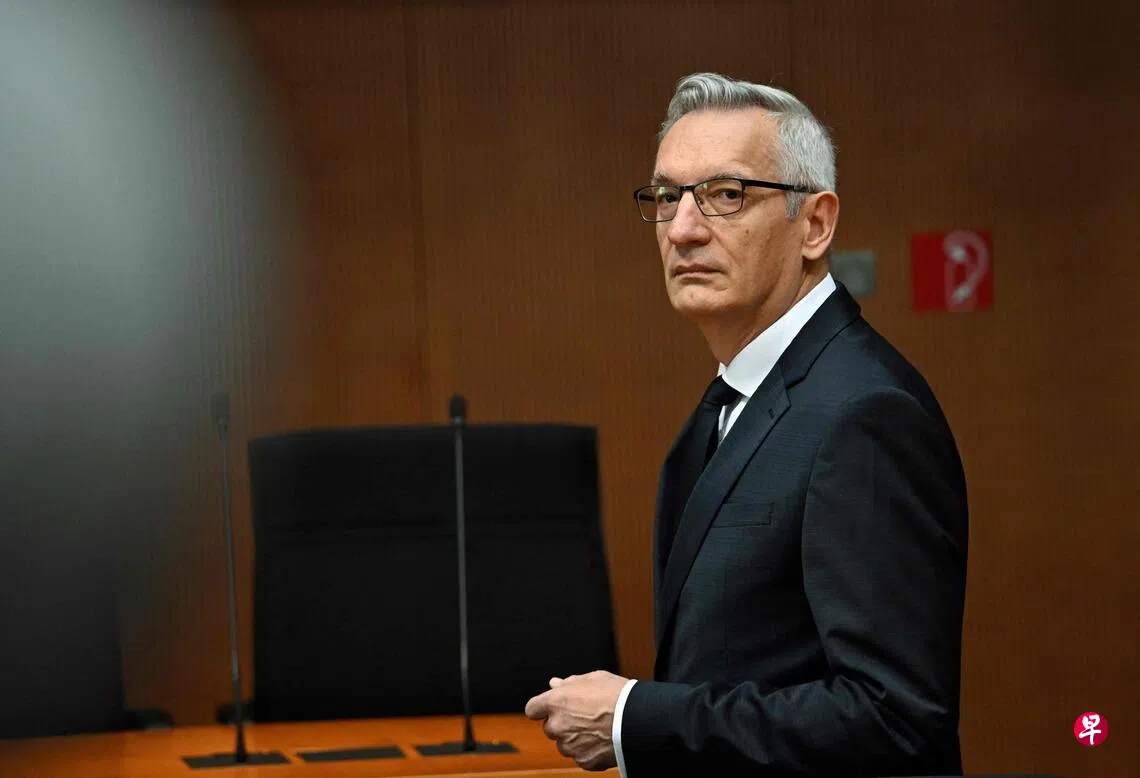

Martin Jäger, president of Germany's foreign intelligence agency (BND), warned parliamentarians on October 5 that Germany faces a growing danger of being drawn into violent conflict with Russia as the Kremlin escalates what he termed a "shadow war" against Germany and intensifies attacks on Ukraine. Speaking at a public hearing before the parliamentary oversight committee, Jäger cited Russia's attempted attack on a Ukrainian Antonov cargo plane at Leipzig Airport in August as a concrete example of escalating threats.
Jäger stated that Germany has become "a major obstacle to Russia's hegemonic power projection in Europe" and thus a primary target of Russian operations. He characterized Russia's undeclared campaign as unprecedented in its directness, comprehensiveness, and specificity of threat. Jäger said Russia aims to prevent German leaders from making decisions against Moscow's interests and to stop European support for Ukraine. He also noted that Russia has intensified its military conduct against Ukraine, while simultaneously attempting to disrupt arms deliveries to Kyiv.
Jäger emphasized that Russian intelligence services operate with high professionalism and ruthlessness, with the threat of attacks against German targets remaining real and present. However, he stated that the BND currently sees no evidence of a large-scale Russian military assault on NATO territory, though low-level military activities remain possible, particularly in the Baltic region. He warned that Germany should prepare for intimidation attempts, further interference, and potentially renewed nuclear threats.
Sinan Selen, president of Germany's domestic security agency (BfV), corroborated warnings about Russian willingness to conduct sabotage and assassinations, noting some defensive successes but stating the situation continues to deteriorate. Russian influence attempts have expanded from federal elections to state and municipal contests, with disinformation aimed at sowing discord and uncertainty. Martina Rosenberg, president of the military counterintelligence service (MAD), reported that the Bundeswehr faces multiple threats from both external and internal sources.
Russian officials dismissed the warnings. Foreign Ministry Spokeswoman Maria Zakharova accused German Chancellor Friedrich Merz and intelligence chief Jäger of attempting to drag Germany into confrontation with Russia. She told TASS that such figures were working to involve Germany in "another round of confrontation." Russian President Vladimir Putin stated on October 3 that Russia "threatens no one" and has no plans to attack any country in 2029, 2030, or 2050, but would be forced to respond if Russia faced aggression. Russia has consistently denied intentionally attacking NATO member states.
Topics
Why This Matters
The warnings from three German security agencies (BND, BfV, MAD) describe a measurable shift: Russian operations against Germany have moved from federal elections into state and municipal contests, and an attempted attack on a Ukrainian Antonov cargo plane occurred at Leipzig Airport in August. German officials say the risk of low-level military activity, particularly in the Baltic region, and of further sabotage or assassination attempts remains present, while the BND states it sees no evidence of a large-scale Russian military assault on NATO territory. Russian officials deny hostile intent toward NATO; Foreign Ministry spokeswoman Maria Zakharova accused Chancellor Friedrich Merz and Jäger of seeking confrontation, and President Vladimir Putin said on October 3 that Russia threatens no one and has no plans to attack any country in 2029, 2030, or 2050, but would respond if faced with aggression. Observable stakes include potential new policy or security measures in Germany, continued arms deliveries to Ukraine, and effects on European defense planning.
Related Signals
- GeoContinuation
Germany pledges 1.35 billion euros in military and energy aid to Ukraine
Follow-up 23h ago
- GeoRelated Topic
Russia vows stronger strikes on Ukraine after Zelensky threatens refinery attacks
Follow-up 18h ago
- GeoContinuation
Russian drones strike Kyiv bridges for four days; Germany pledges €1 billion aid
Follow-up 15h ago
- GeoRelated Topic
Putin warns NATO: nuclear response if Kaliningrad isolated
Follow-up 4d ago
- GeoContinuation
Germany seeks to boost Ukraine air defense ahead of winter, Brussels meeting
Follow-up 5d ago
- GeoRelated Topic
Russia escalates airstrikes; Ukraine vows refinery strikes in response
Follow-up 5h ago
- GeoRelated Topic
Russia launches largest energy strike on Ukraine since spring ahead of winter
Follow-up 2d ago
- GeoRelated Company
Latvia's Pro-Ukraine Party Wins Election with 35% Vote Share
Follow-up 14h ago
Sources
- 德国情报首长警告:与俄罗斯爆发暴力冲突风险上升zaobaoMediaOct 5, 2026
- People like Merz, head of intelligence try to drag Germany into fight with Russia — MFAtassMediaOct 5, 2026
- Germany risks being drawn into ‘violent conflict’ with Russia, spy chief warnspolitico.euMediaOct 5, 2026
- BND-Chef warnt vor "gewaltsamem Konflikt mit Russland"tagesschau.deMediaOct 5, 2026