
Today·Emerging
Follow-up 3h ago Major5
100%
Japan pushes UN to remove 'enemy state clauses' amid China, North Korea opposition
At the UN General Assembly on September 28, Japan's push to remove the UN Charter's "enemy state clauses" faced strong opposition from China and North Korea. Both countries cited Japan's military expansion as grounds for retaining the clauses, which they said safeguard the post-war international order, while Japan argued the provisions are outdated and that it remains committed to defensive-only policies.
Quick Facts
- Japan called for deletion of UN Charter 'enemy state clauses'
- China opposed the deletion and criticized Japan's military expansion
- North Korea declared Japan remains an enemy state and opposed deletion
- Japan defended its position by citing 1995 and 2005 UN resolutions
- Representatives exercised right of reply at UN General Assembly
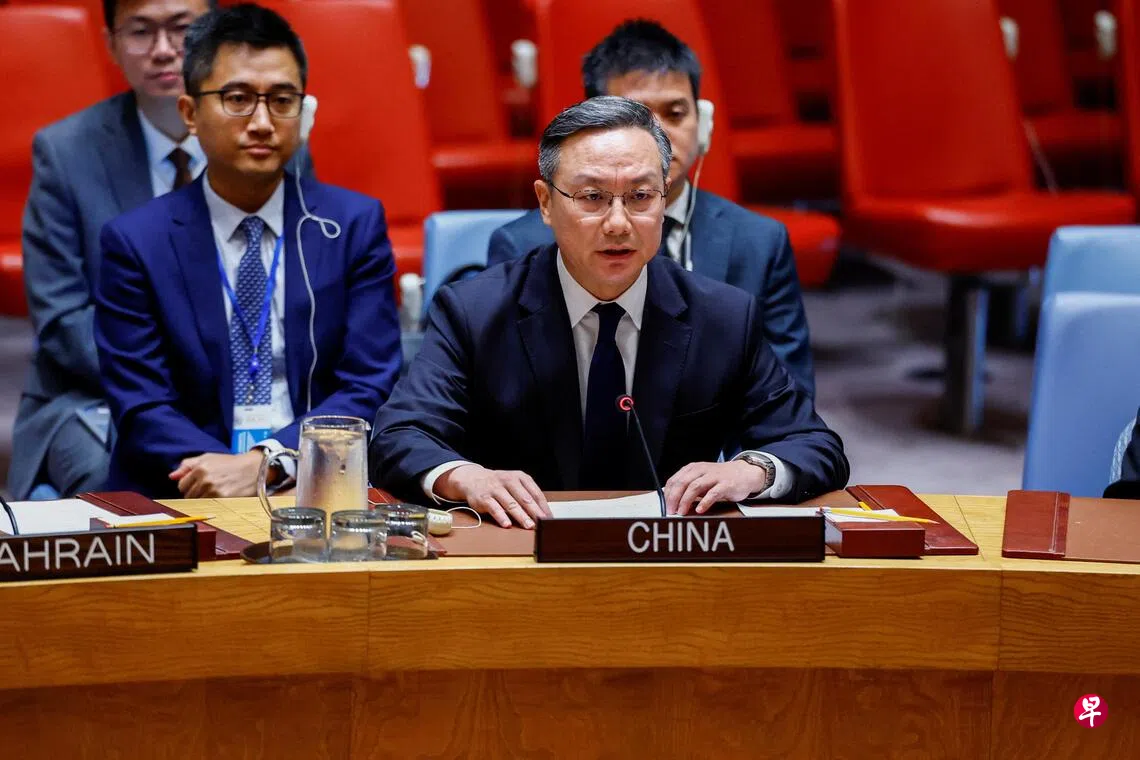


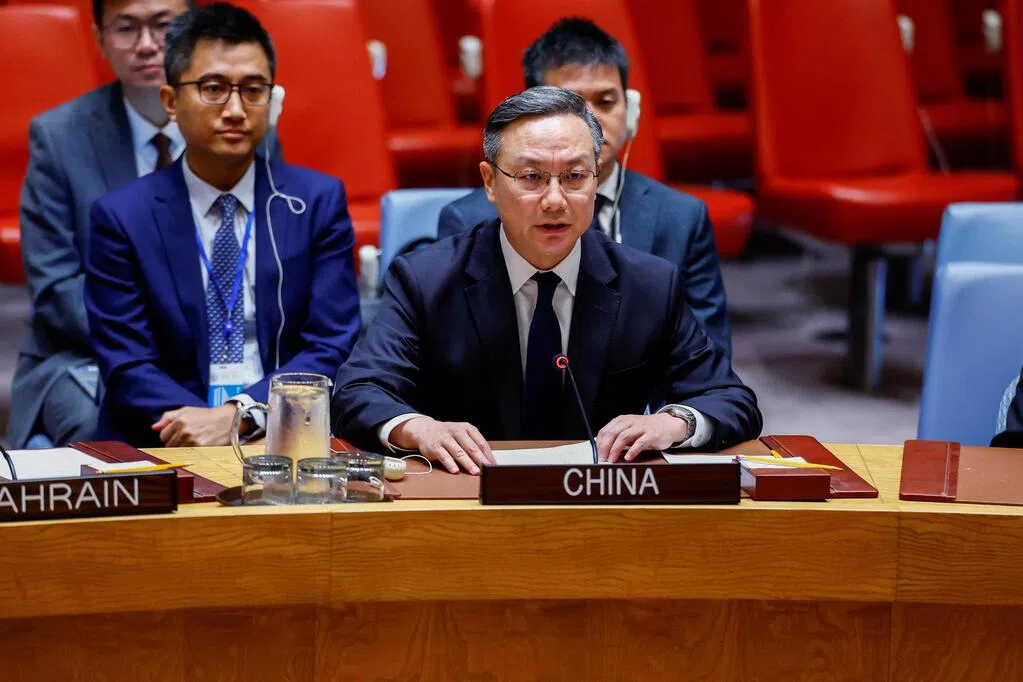
During the UN General Assembly's general debate, which concluded on September 28, Japan advocated for the removal of the "enemy state clauses" from the UN Charter—provisions that classify certain nations as enemy states. Prime Minister Sanae Takaichi raised the issue in her September 22 speech, citing a 1995 UN General Assembly resolution that deemed the clauses outdated and a 2005 resolution affirming the intent to delete them, both of which received support including from China.
China's Deputy Permanent Representative to the UN Sun Lei delivered a forceful response on September 28, opposing the deletion and citing Japan's military expansion as justification for retaining the clauses. Sun stated that Japan has increased defense spending, relaxed restrictions on lethal weapons exports, deployed intermediate and long-range missiles, expanded offensive military capacity, stockpiled sensitive nuclear materials, and pursued constitutional amendments to enable military action. China characterized these moves as evidence of "re-militarization" that threatens regional and global peace, and framed the enemy state clauses as "vital institutional arrangements" designed to prevent fascism and militarism from re-emerging post-World War II.
North Korea also opposed Japan's request, declaring that "Japan remains an enemy state under the UN Charter" and calling the deletion request "shameful and absurd." Japan responded through its representatives by defending its commitment to "exclusive self-defense" and emphasizing that it has "humbly faced historical facts and actively contributed to international peace and security." Foreign Minister Toshimitsu Motegi stated that no country has the right to invoke the enemy state clauses today, citing their established obsolescence.
The dispute reflects deeper disagreements over Japan's military posture and regional security. China and North Korea argue that Japan's defense policies violate post-war commitments, while Japan maintains that its actions are defensive in nature and consistent with its pacifist constitution. The exchange underscores competing interpretations of Japan's role in the post-war international order and its responsibilities regarding historical accountability.
Why This Matters
The dispute centers on a dormant but formally intact UN Charter provision that classifies certain nations as enemy states. Japan's push to delete it reflects its bid to normalize its international standing post-World War II; China and North Korea's opposition signals fundamental disagreement over whether Japan's defense spending increases, weapons export policy changes, and military capabilities expansion constitute defensive posture or treaty-breaking rearmament. The outcome will affect UN Charter amendment procedures, regional security calculations, and how post-war settlement clauses are interpreted in international law.
Timeline & Sources
Jan 1, 1995
WireUN General Assembly resolution recognized 'enemy state clauses' as outdated, with support including from China
Jan 1, 2005
WireUN General Assembly resolution affirmed intention to delete 'enemy state clauses'
Sep 28, 2026
WireJapan's Umetsu countered with 1995 and 2005 UN resolution precedents and defense of Japan's commitment to exclusive self-defense
Sep 29, 2026
WireJapan's Foreign Minister Motegi stated no country has right to invoke enemy state clauses and indicated continued push for deletion
Related Signals
- GeoRelated Topic
Xi Jinping arrives in Washington for three-day state visit
Follow-up 3d ago
- GeoRelated Topic
UK launches military squadron to defend satellites amid space militarization
Follow-up 5d ago
- GeoRelated Topic
Xi Makes State Visit to U.S., Trump Breaks Protocol with Airport Welcome
Follow-up 3d ago
- AIRelated Company
Bitget hacked for $388M via third-party security flaw; protection fund covers loss
Follow-up 18h ago
- GeoRelated Topic
Xi arrives in US, urges partnership over rivalry with America
Follow-up 5d ago
- GeoRelated Topic
Netanyahu defends Israel at UN as dozens of delegates walk out
Follow-up 3d ago
- GeoRelated Topic
UK Reviews Chagos Islands Deal After Trump Calls It 'Terrible'
Follow-up 5d ago
Sources
- UN Charter "enemy state clauses" should stay: Chinese envoyxinhuaMediaSep 29, 2026
- 中国称日本推动军国主义复活 不应删除《联合国宪章》敌国条款zaobaoMediaSep 29, 2026
- 茂木氏、旧敵国条項「援用の余地ない」 削除反対の中国をけん制(毎日新聞)Yahoo!ニュースMediaSep 29, 2026
- 高市首相が求めた国連「旧敵国条項」削除、中国と北朝鮮が「断固とした反対」…日本は「専守防衛堅持」と反論読売新聞MediaSep 29, 2026
- 「旧敵国条項」巡り日中朝応酬 国連総会で答弁権行使:時事ドットコム時事ドットコムMediaSep 29, 2026