
Yesterday·Emerging
Follow-up 2h ago Major4
99%
US midterm elections held amid economic strain from inflation, Iran war
Americans voted in midterm elections on November 3, 2026, as economic discontent over gas and food inflation shaped voter sentiment. While Democrats held consistent polling leads in multiple aggregates, control of the House and Senate remained contested, with results expected to determine whether Trump could advance his legislative agenda during his remaining two years in office.
Quick Facts
- US midterm elections held on November 3, 2026
- Voting for all 435 House seats conducted
- Voting for 35 of 100 Senate seats conducted
- Governorships contested in 36 states
- Approximately 54.5 million Americans voted early
Related Insights
US Election Day: Trump Risks Losing Control of Congress Bloomberg Television · YouTube
Oil Prices Retreat, Apple Results on Deck Bloomberg Television · YouTube
House, Senate at Stake as US Midterms Kick Off Bloomberg Podcasts · YouTube
Netanyahu Bloc Falls Short as Iran Diplomacy Picks Up Across the Region Bloomberg Television · YouTube
Final Countdown to Midterm Elections, Tech Stocks Tank Bloomberg Podcasts · YouTube
US Midterms & AI Strain: The Global Trader’s Guide Bloomberg Television · YouTube




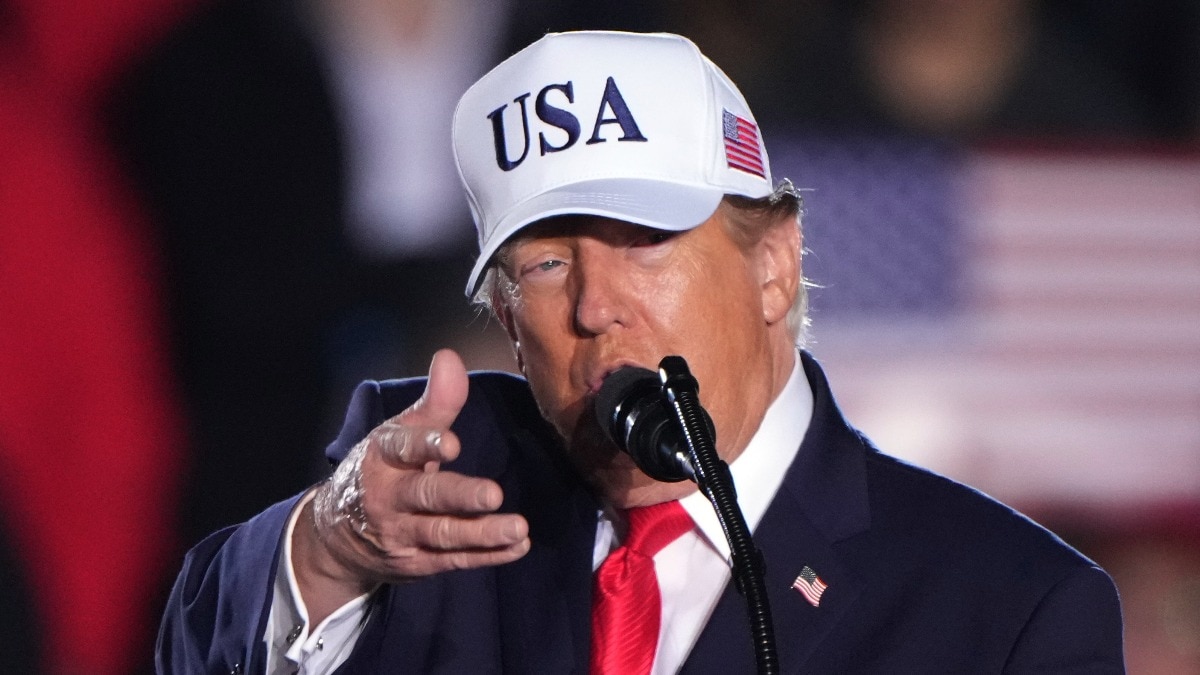
Voting in the US midterm elections took place on Tuesday, November 3, 2026, as Americans evaluated President Donald Trump's second-term performance. The elections determined control of all 435 House seats, 35 of the Senate's 100 seats, and governorships in 36 states, including Ohio. Approximately 54.5 million Americans had voted early before Election Day.
Economic conditions dominated voter concerns. Gas prices had risen 40% nationally since late February 2026, when Trump and Israeli Prime Minister Benjamin Netanyahu launched military strikes on Iran, disrupting global oil supplies. In key Senate battleground states, price increases far exceeded national averages: Iowa and Nebraska saw gas prices climb 55%, Kansas 53%, Michigan 51%, Ohio 48%, and Maine 46%. Food prices had also risen steadily, with the 12-month inflation rate reaching 3.7% by September 2026. Trump's tariff policies and the Iran war had both contributed to higher consumer costs. More than half of Republicans (53%) expressed dissatisfaction with the economy, according to NBC News polling.
Three major polling aggregates conducted before Election Day showed Democrats leading: John Zogby Strategies (Democrats 53%, Republicans 47%), YouGov (Democrats 53%, Republicans 44%), and PolityIQ's national average (Democrats 52.7%, Republicans 43.2%). Democrats needed to gain four Senate seats for a net majority and three House seats to control that chamber, according to CNN's "Poll of Polls." Historical trends suggested the president's party typically loses House seats in midterms—18 of the last 20 midterm elections since 1946 resulted in House losses for the sitting president's party.
Key competitive Senate races included Iowa (Democrat Josh Turek vs. others), Nebraska (independent Dan Osborn vs. Republican), Kansas (Democrat Adam Hamilton vs. Republican), Michigan (Democrat Abdul El Sayed vs. Republican Mike Rogers), Ohio (Democrat Sherrod Brown vs. Republican Jon Husted), and Maine (Democrat Troy Jackson vs. Republican Susan Collins). In Texas, Republican Ken Paxton and Democrat James Talarico were in a closely watched race. Republican Senate control stood at 53 seats, with Democrats and aligned independents holding 47.
Republican approval faced additional headwinds. Trump's approval ratings had reached historically low levels. Some Republican candidates distanced themselves from Trump, emphasizing local issues instead. Trump had conducted 30 campaign rallies across 20 states in the 32 days before the election, mostly in Republican strongholds. Indian-American candidates featured prominently: Vivek Ramaswamy (Republican) ran for Ohio governor against Democrat Amy Acton; Nitya Raman (Democrat) ran for Los Angeles mayor; and incumbent House members Ro Khanna, Ami Bera, Pramila Jayapal, and Suhas Subramanyam sought re-election alongside Democratic challengers Priya Dandia and Amish Shah, both running for the House for the first time.
Why This Matters
The 2026 US midterm elections determine control of the House (435 seats), Senate (35 contested of 100), and 36 state governorships. Voter concerns centered on measurable economic metrics: national gas prices up 40% since February 2026 following military strikes on Iran, with greater increases in swing states (Iowa/Nebraska +55%, Michigan +51%, Ohio +48%); food inflation at 3.7% annually by September. Pre-election polling showed Democrats leading in aggregate measures, and Senate control hinges on four seats. Results will indicate whether Trump's party retains House/Senate majorities to advance his legislative priorities through 2028.
Related Signals
- GeoContinuation
Democrats projected to win House control in 2026 midterms
Follow-up 3h ago
- GeoRelated Topic
US Midterm Elections: Republicans defend control of Congress
Follow-up 8h ago
- GeoContinuation
Ossoff and Collins make final appeals in Georgia Senate race
Follow-up 16h ago
- GeoRelated Topic
Democrat Annie Andrews Wins South Carolina Senate Seat, First Democratic Victory Since 1998
Follow-up 2h ago
Sources
- अमेरिका में मिडटर्म इलेक्शन की वोटिंग जारी, तीन सर्वे में पिछड़ी ट्रंप की पार्टी, 470 सीटों पर है टक्करAajTakMediaNov 3, 2026
- ट्रंप के लिए सबसे बड़ा इम्तिहान: US में मिडटर्म चुनाव की वोटिंग जारी, हार गए तो क्या असर?HindustanMediaNov 3, 2026
- The US numbers that show why Trump is in serious trouble in the midtermsThe IndependentMediaNov 3, 2026
- In top Senate race states, gas and grocery costs rose faster than the national averageNBC NewsMediaNov 3, 2026