
Emerging
Published Sep 15, 2026Updated 1h ago Major4
100%
Saudi oil pipeline offline after attacks; Brent crude surges past $106
Global oil prices rose above $106 per barrel on September 15 as Saudi Arabia's East-West pipeline remained offline after attacks attributed to Iranian-backed forces. The pipeline normally carries 2.6–4 million barrels daily; analysts warned Brent crude could reach $150 if damage becomes permanent.
Quick Facts
- East-West pipeline attacked and shut down
- Brent crude oil rose 1.24 dollars per barrel
- WTI rose 1.29 dollars per barrel
- Houthi forces attacked Saudi military base in Khamis Mushait
- Arab Gulf states postponed talks with Iran
Related Insights

/data/photo/2022/02/14/620a874aaf89b.jpg)

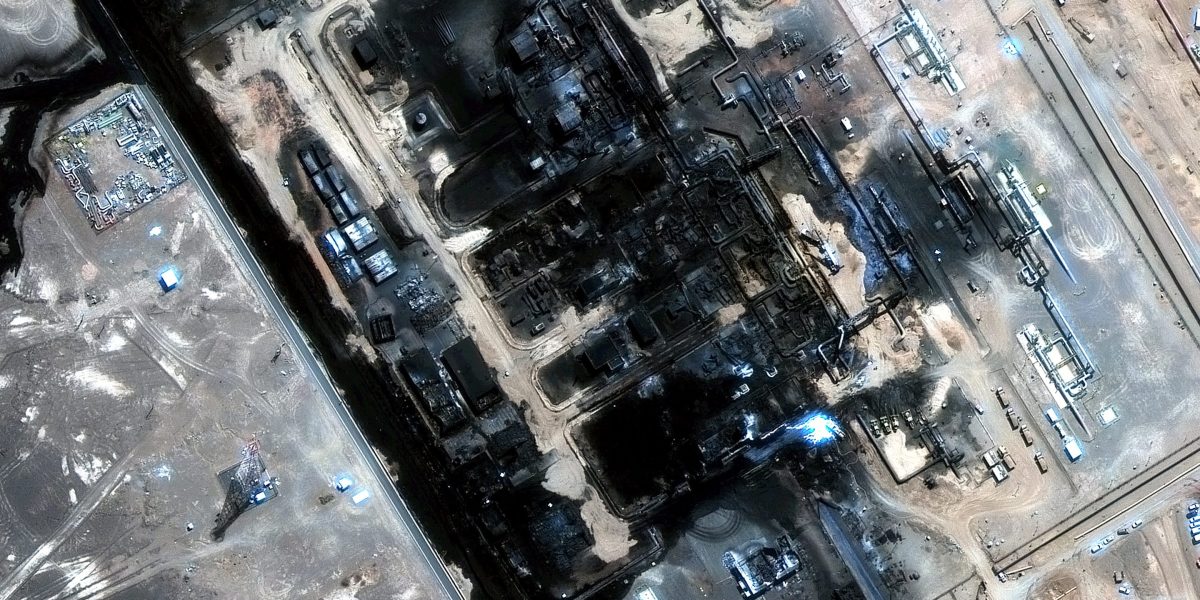
Global oil prices climbed above $106 per barrel on September 15, 2026, as Saudi Arabia's East-West pipeline remained shut following attacks blamed on Iranian-backed militias. The pipeline, which carries crude from the Persian Gulf westward to the Red Sea port of Yanbu, was targeted on September 11. Saudi officials and regional sources told The Associated Press that repairs could take three to five weeks.
Brent crude rose 1.24 dollars to 106.93 per barrel, while US West Texas Intermediate (WTI) gained 1.29 dollars to 102.65 per barrel on September 15. The pipeline is a critical infrastructure route designed to bypass the Strait of Hormuz, through which roughly one-fifth of global oil supply typically flows. Before the attacks, between 2.6 and 4 million barrels per day moved through the pipeline and the Red Sea, according to Rystad Energy—equivalent to roughly 4 percent of global oil supply.
Saudi Arabia blamed the September 11 attack on Iranian-backed militias in Iraq. On September 14, Yemen's Iran-backed Houthi forces attacked a Saudi military base in Khamis Mushait using missiles and drones, striking aircraft hangars, radar systems, runways, and ammunition depots. The Houthis framed this as retaliation for Saudi operations in Yemen. Separately, Arab Gulf states postponed planned talks with Iran, raising concerns that Middle East tensions could further disrupt energy flows.
Analysts warned of severe price escalation if damage becomes permanent. Francisco Blanch, head of commodities and derivatives research at BofA Securities, stated that Brent crude could reach $150 per barrel if critical infrastructure "is hit on a more permanent basis." Tim Waterer, analyst at KCM Trade, noted that oil traders now factor every new attack or infrastructure damage as an additional supply risk, while remaining highly sensitive to any signs of pipeline or Hormuz normalisation.
Alternative export routes face their own pressures. The Strait of Hormuz saw only 90 transits in the first week of September, compared to approximately 130 daily transits before the current conflict. The Bab el-Mandeb Strait, another key Red Sea passage, has been tightened by Houthi control; analysts estimated roughly 3 million barrels per day moved through that chokepoint in early September. Most Saudi oil from Yanbu now heads north via the Suez Canal or Egypt's SUMED pipeline, but Houthis have also begun targeting Saudi shipping in the north.
Why This Matters
The shutdown of Saudi Arabia's East-West pipeline—which moves 2.6–4 million barrels daily and bypasses the Strait of Hormuz—directly reduces global crude supply by approximately 4 percent. Brent crude rising past $106 and WTI climbing 1.29 dollars per barrel increases costs for refiners, fuel distributors, and industrial users worldwide. Repair estimates of 3–5 weeks and analyst scenarios reaching $150/barrel if damage becomes permanent signal material near-term supply risk and upside price pressure on energy markets, affecting transportation, manufacturing, and inflation trajectories across dependent economies.
Timeline & Sources
Sep 11, 2026
WireAttack on East-West pipeline attributed to Iran-backed groups operating from Iraq
Sep 11, 2026
WireEast-West pipeline attacked; Saudi Arabia blamed Iranian-backed militias in Iraq
Sep 15, 2026
WireBrent crude rises to $106.93 per barrel; WTI rises to $102.65 per barrel; East-West pipeline remains offline
Sep 15, 2026
WireBrent crude rose to 106.93 USD per barrel; WTI rose to 102.65 USD; analysts warned of supply disruptions
Related Signals
- GeoMarket Impact
10-Year Treasury Yield Hits 5%, Highest Since 2007
Updated 1h ago
- GeoRelated Topic
Pentagon: Iran War Cost $33.4B, Depleted Munitions Stockpiles
Updated 1h ago
- GeoRelated Topic
Houthis Launch Dozens of Missiles, Drones at Saudi Air Base; 13 Civilians Injured
Updated 5h ago
- GeoRelated Company
US Sanctions VTB Bank for Facilitating Iran Financial Evasion
Updated 5h ago
- GeoRelated Company
Trump claims Ukraine-Russia energy ceasefire; Zelenskyy demands Russian verification first
Updated 3h ago
- GeoRelated Topic
NATO Shoots Down Drone Over Lithuania in First Such Interception
Updated 1h ago
Sources
- BofA Sees Chance of $150 Oil on Critical Infrastructure RiskbloombergWireSep 15, 2026
- Oil Climbs as Saudi East-West Pipeline Remains OfflinebloombergWireSep 15, 2026
- Harga Minyak Dunia Tembus 106 Dollar AS, Serangan ke Arab Saudi Ganggu Pasokan GlobalKompas.comMediaSep 15, 2026
- Saudi Arabia built the East-West pipeline in case Iran closed Hormuz. Militias still blasted itFortuneMediaSep 14, 2026